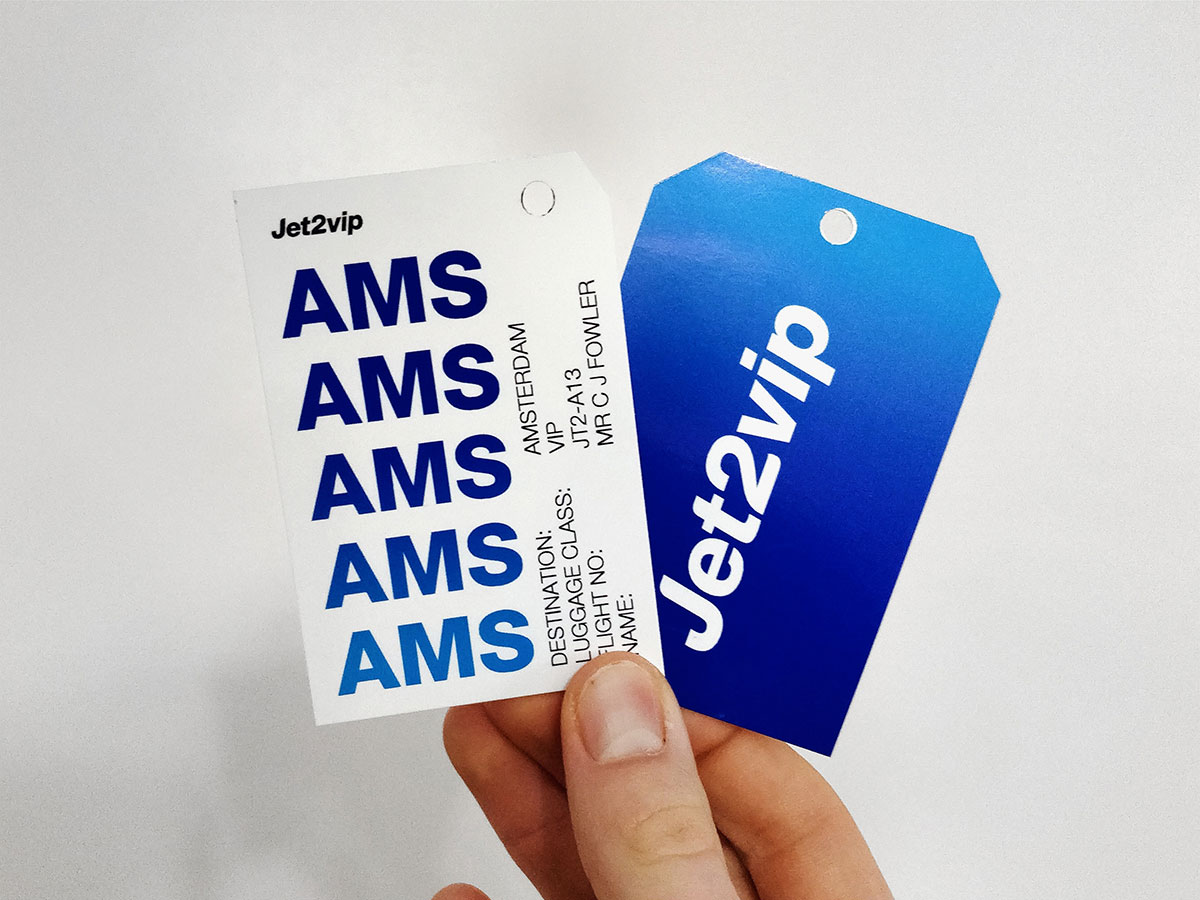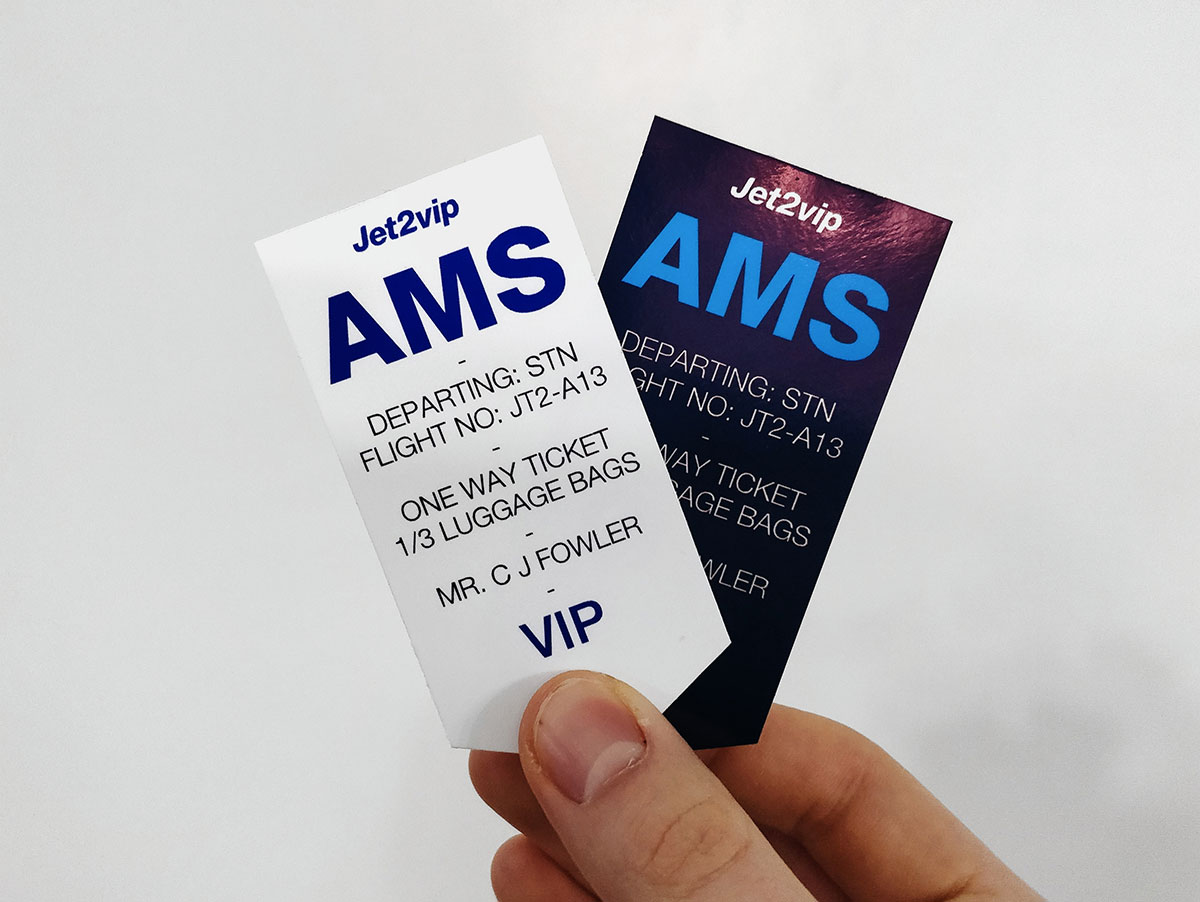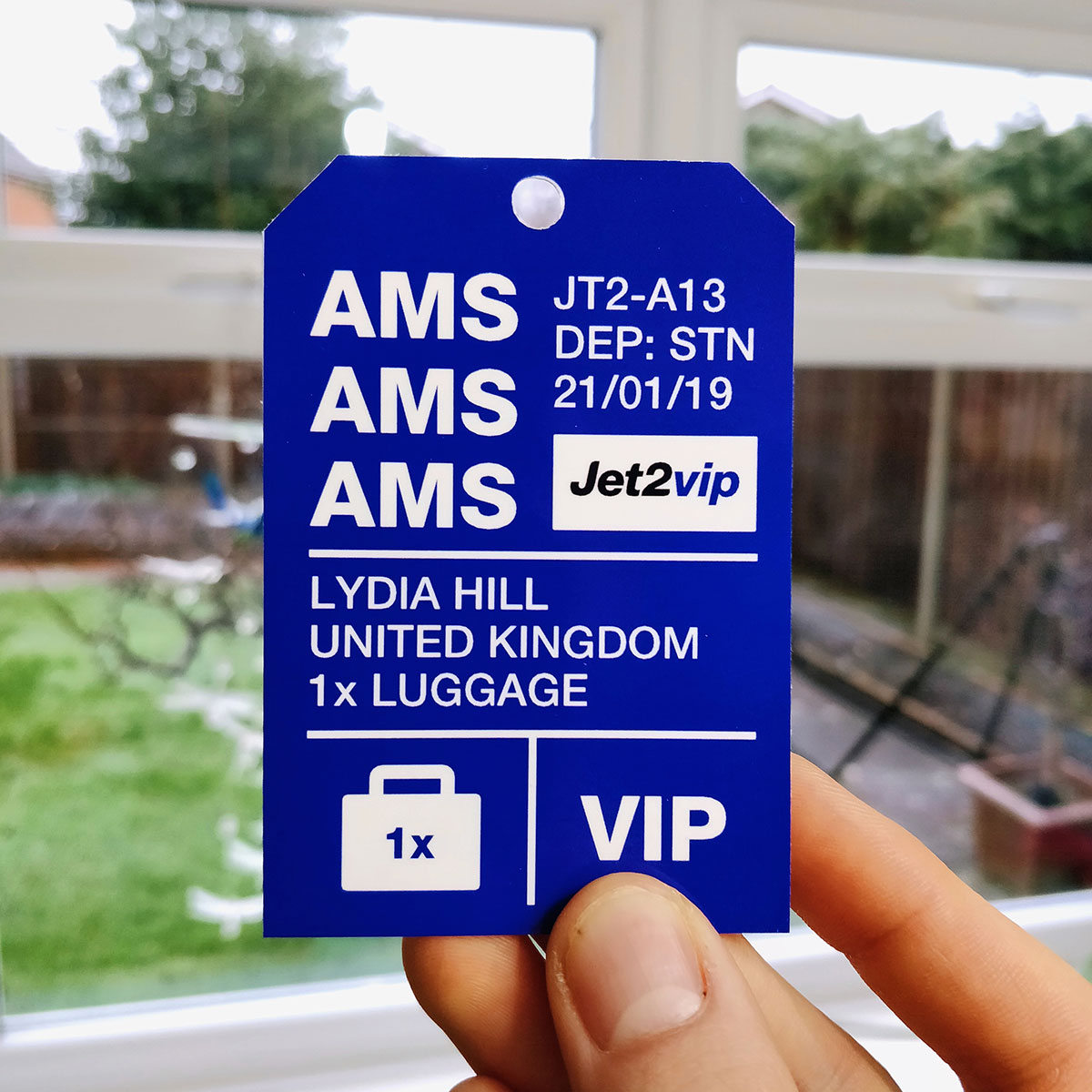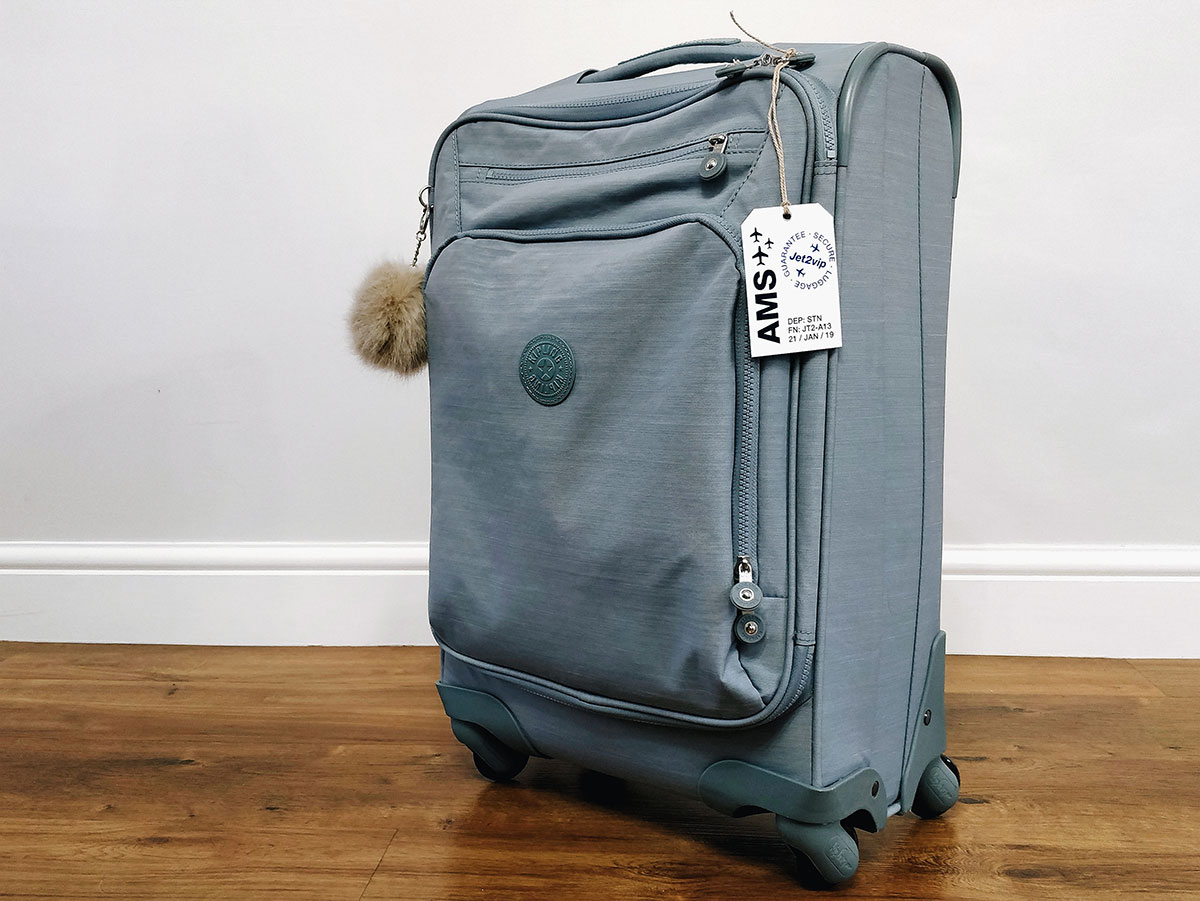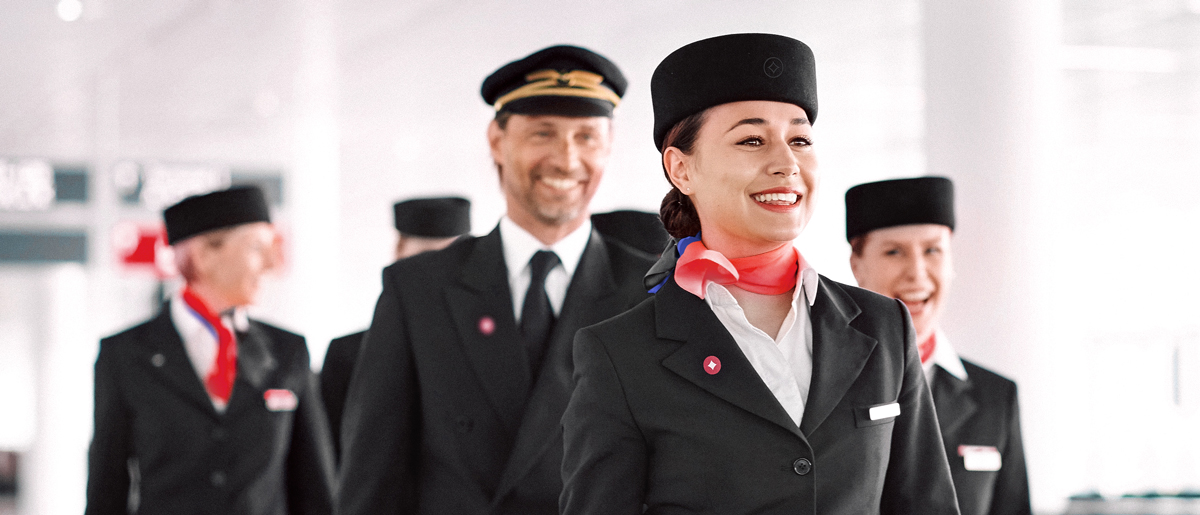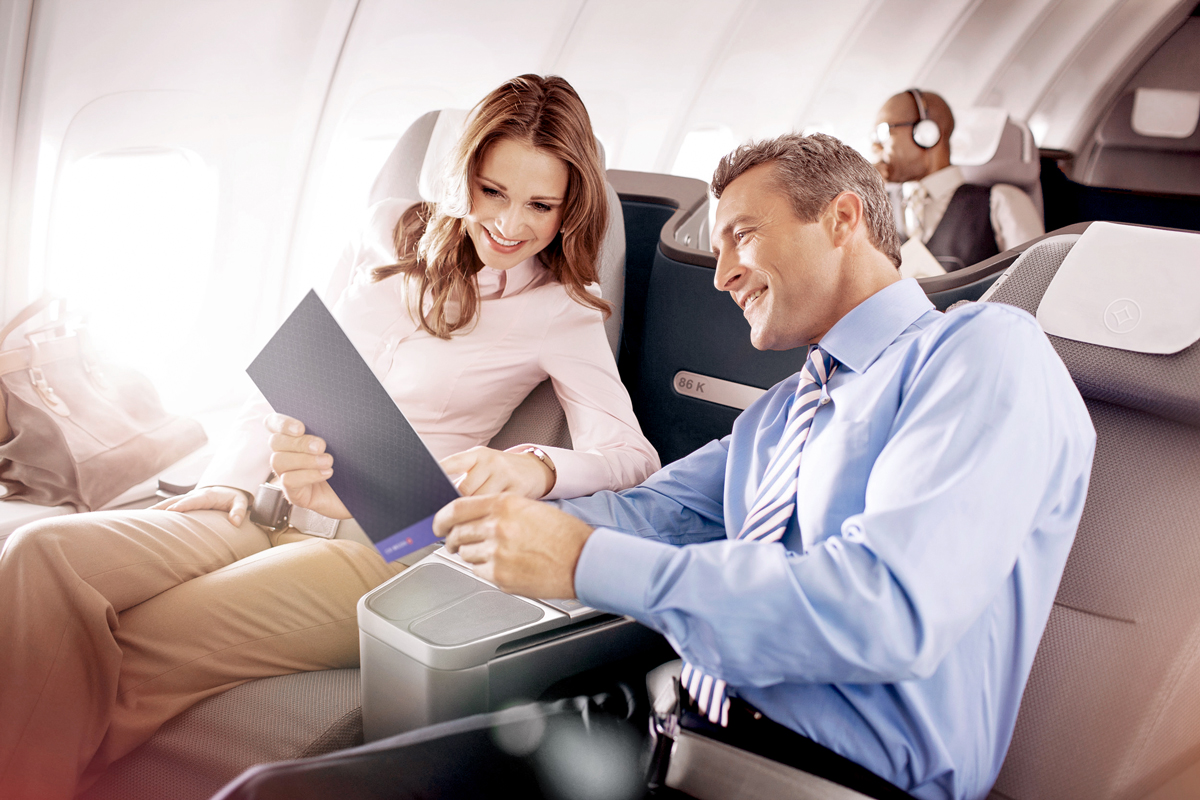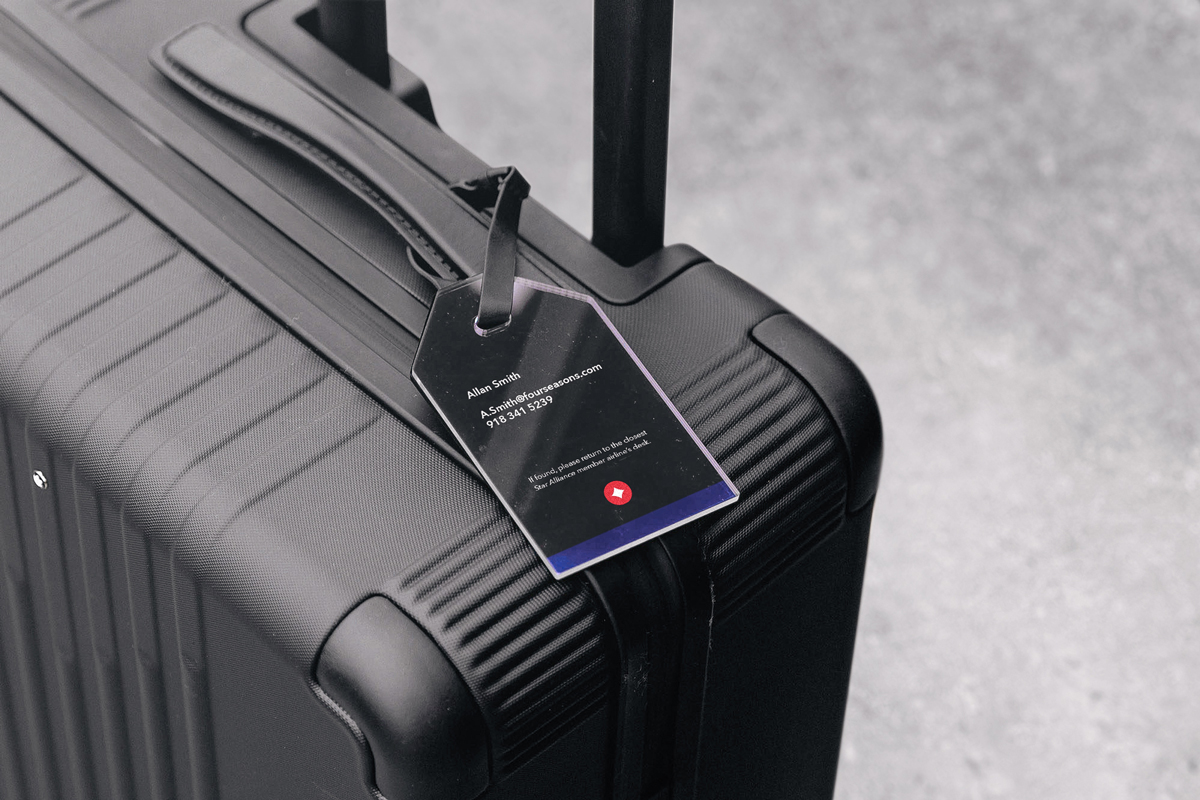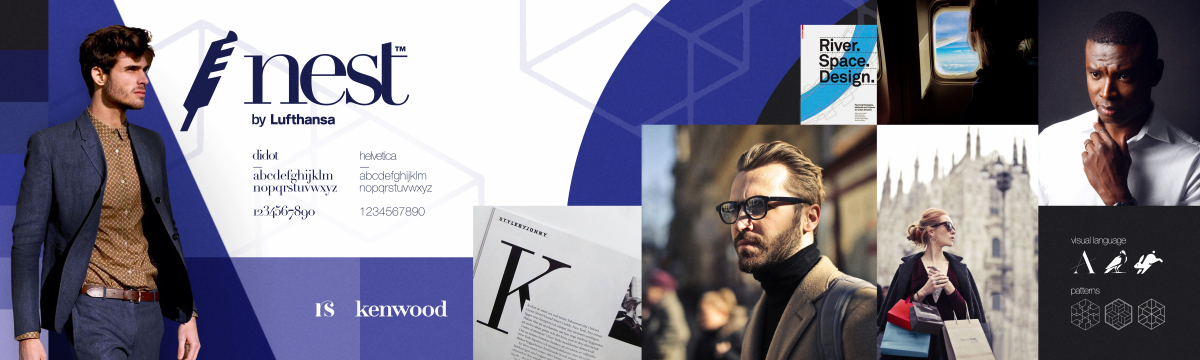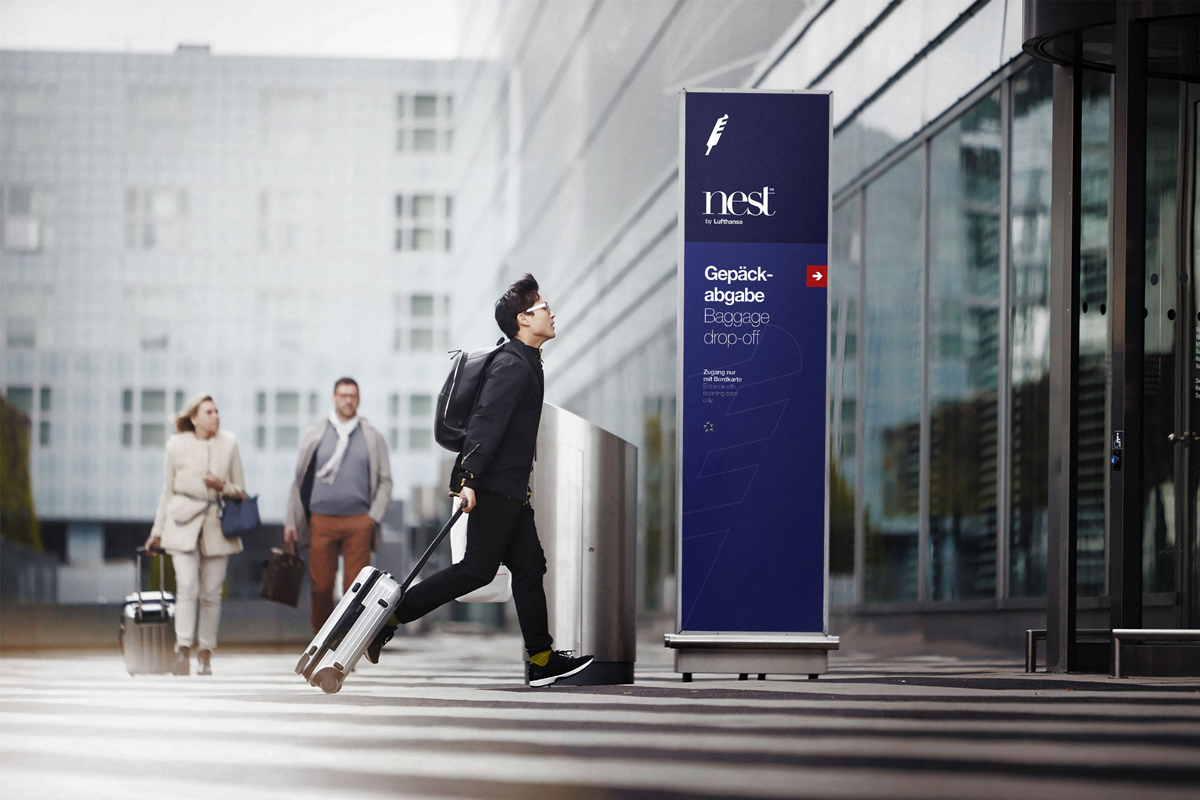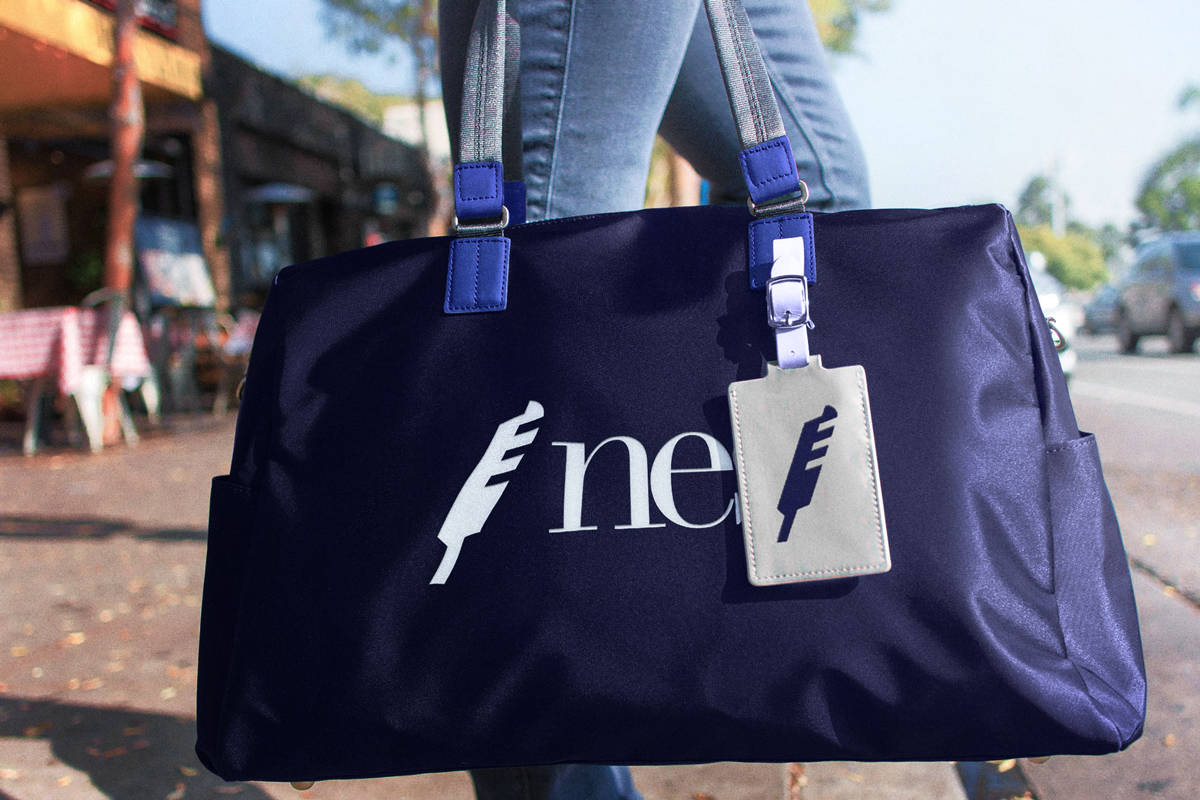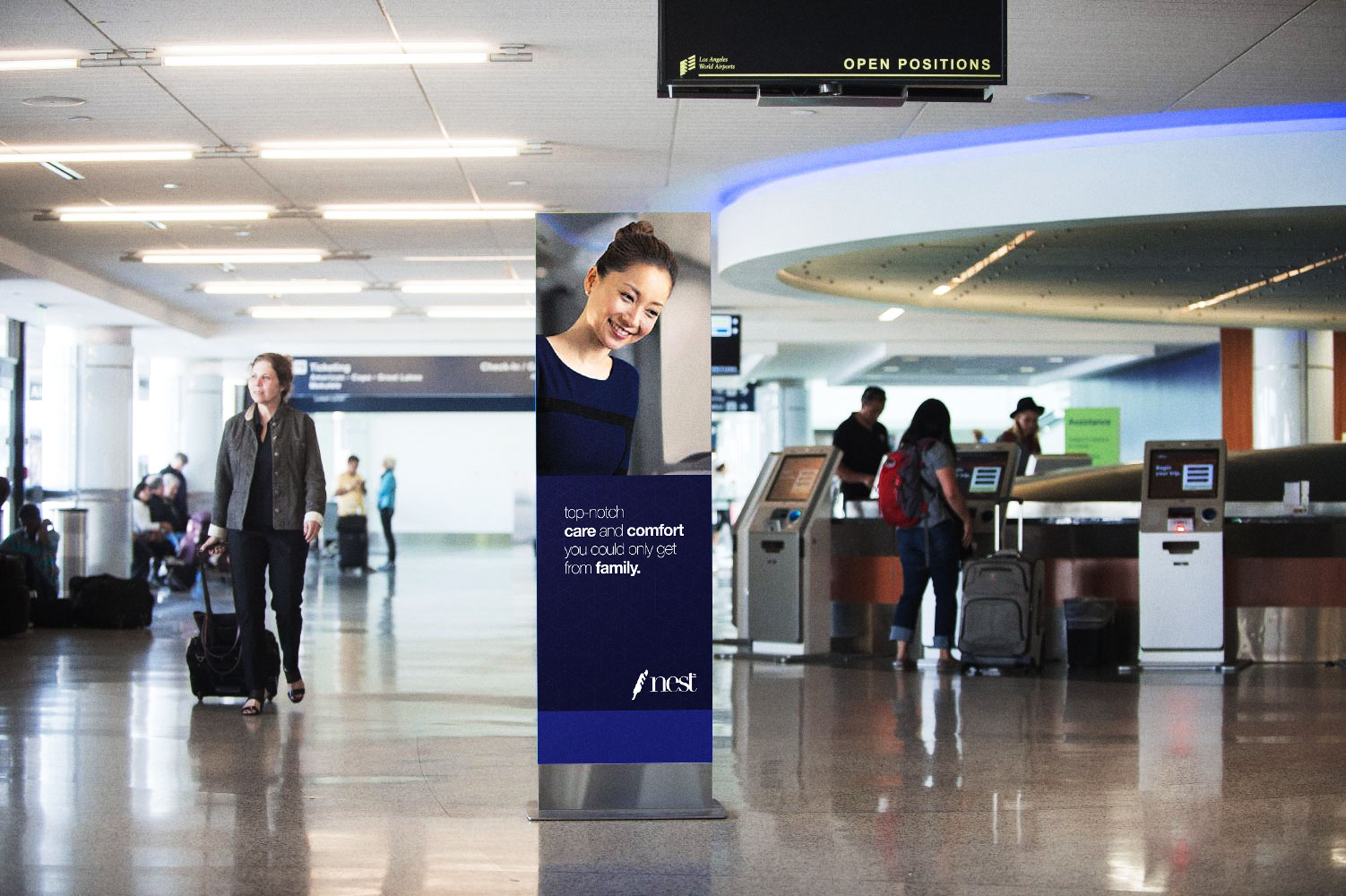
Here, we take a look back at the work from the Season 1 Brand Identity Design Challenge to understand their approach and design solutions. The project brief was to design a first-class airline sub-brand for an existing airline. Their results were amazing!
Some of the Young Guns started with a more formal approach to the project by diagnosing the brand and creating Stylescapes™ to establish the brand’s visual language.

If you’re interested in developing your brand design skills, check out our following courses:
Now Let's Dive into Their Projects

Overall Idea
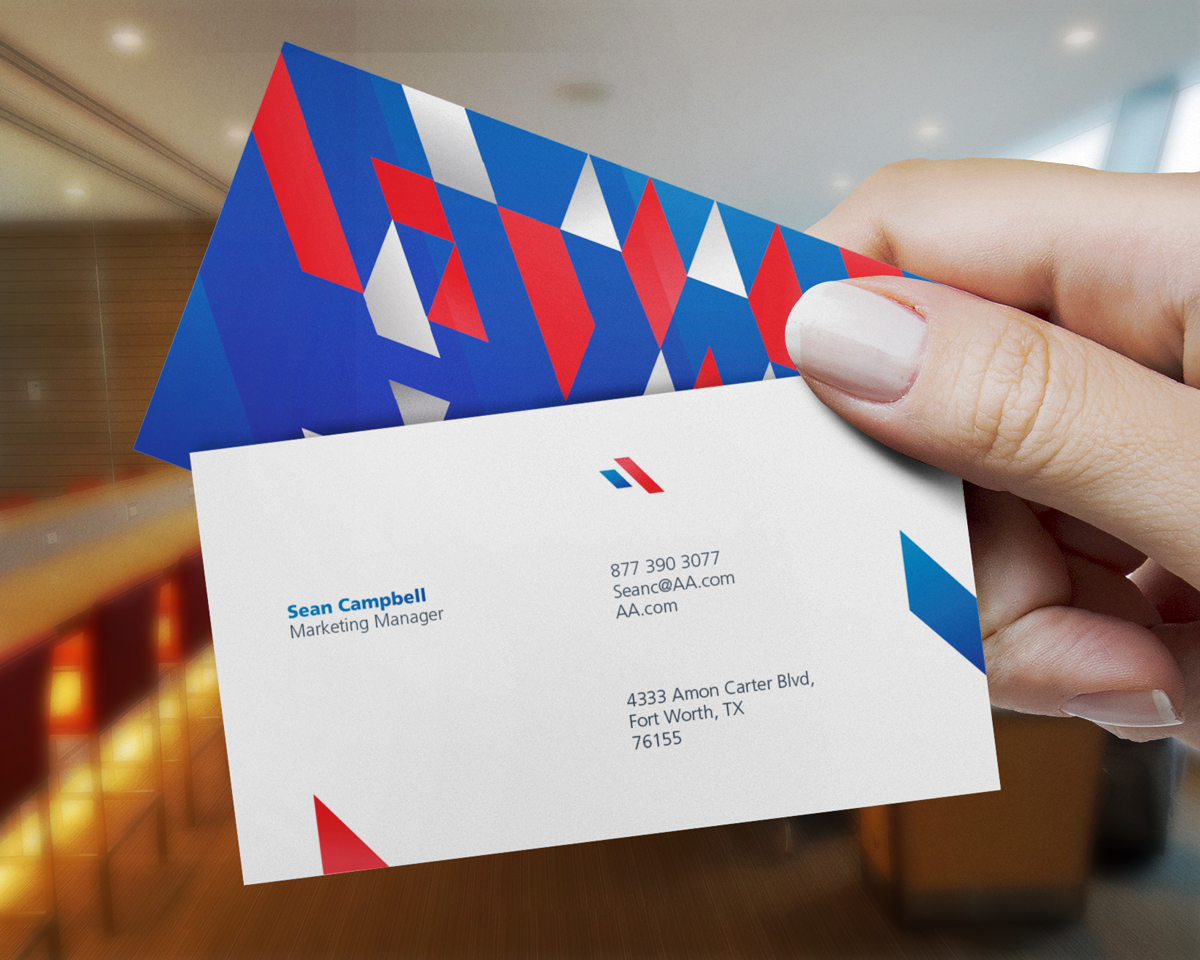
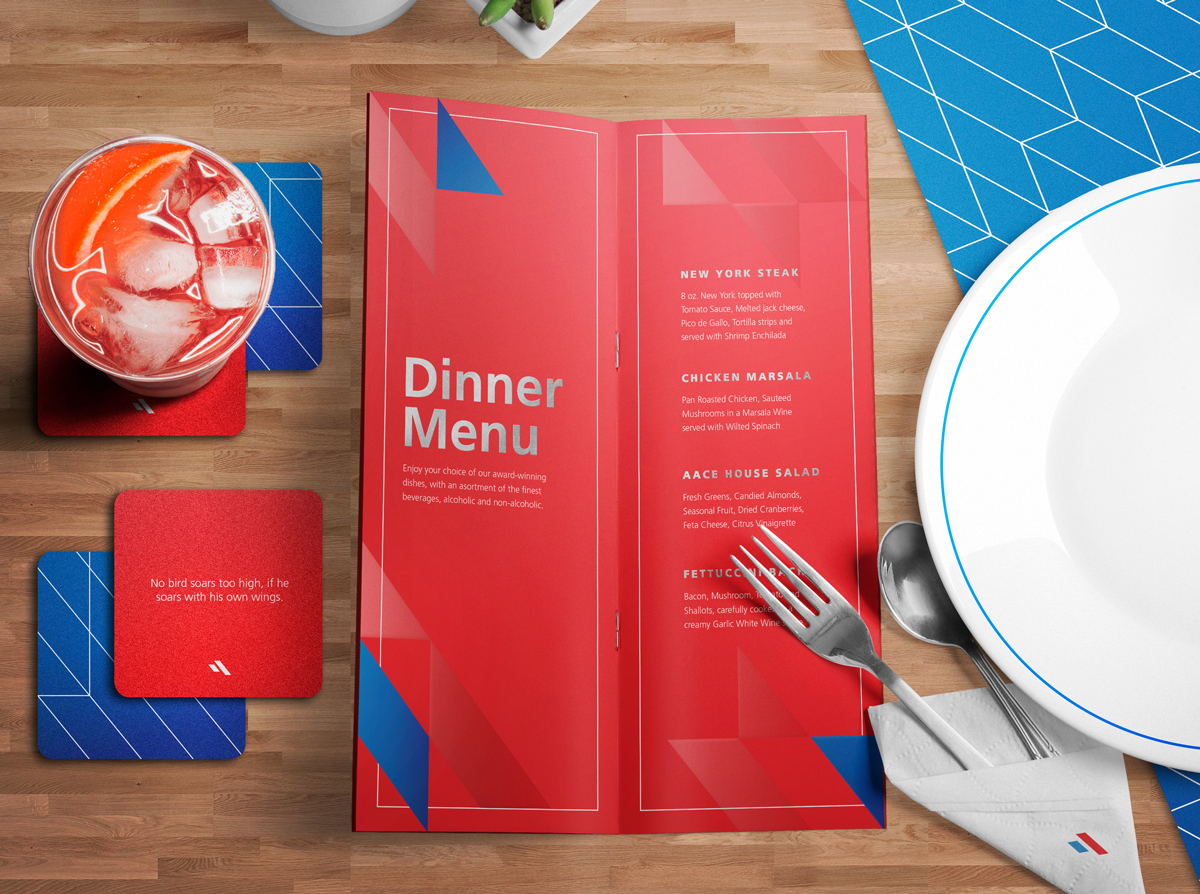
The idea for the system stems from the American Airlines logo, which the AAce logo is derived from. All of the patterns I designed are then in turn extrapolated from the logo. I was inspired by the old AA identity and tried to bring some of the simplicity while still keeping the design interesting and in line with the new branding.
Challenges
Aside from coming up with a great name, the main challenge of this project was find the sweet spot for the visuals that both fit within the existing American Airlines identity, and still feeling premium and different than standard class. I struggled a lot towards the beginning of the project and ended up scrapping a lot of ideas.
Summary of Design Solution
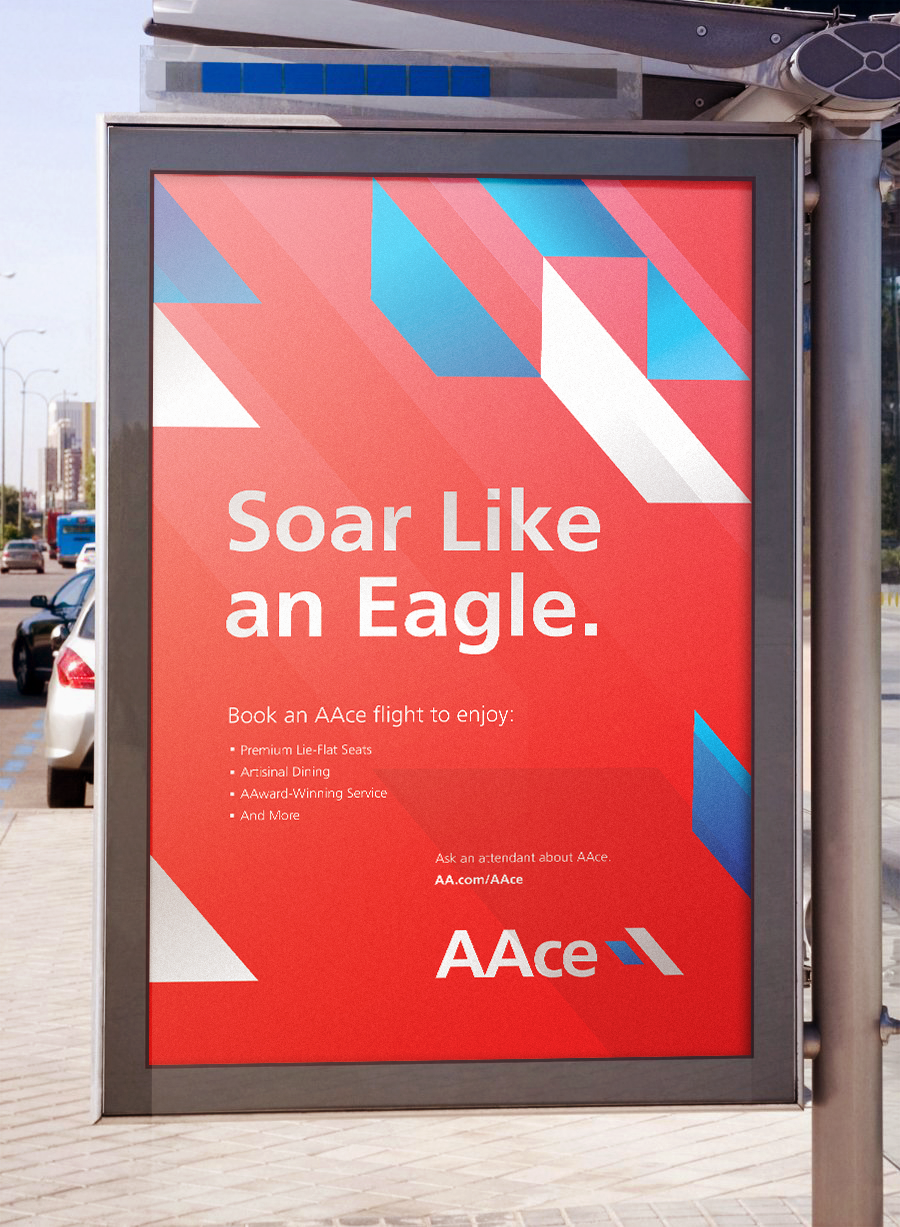
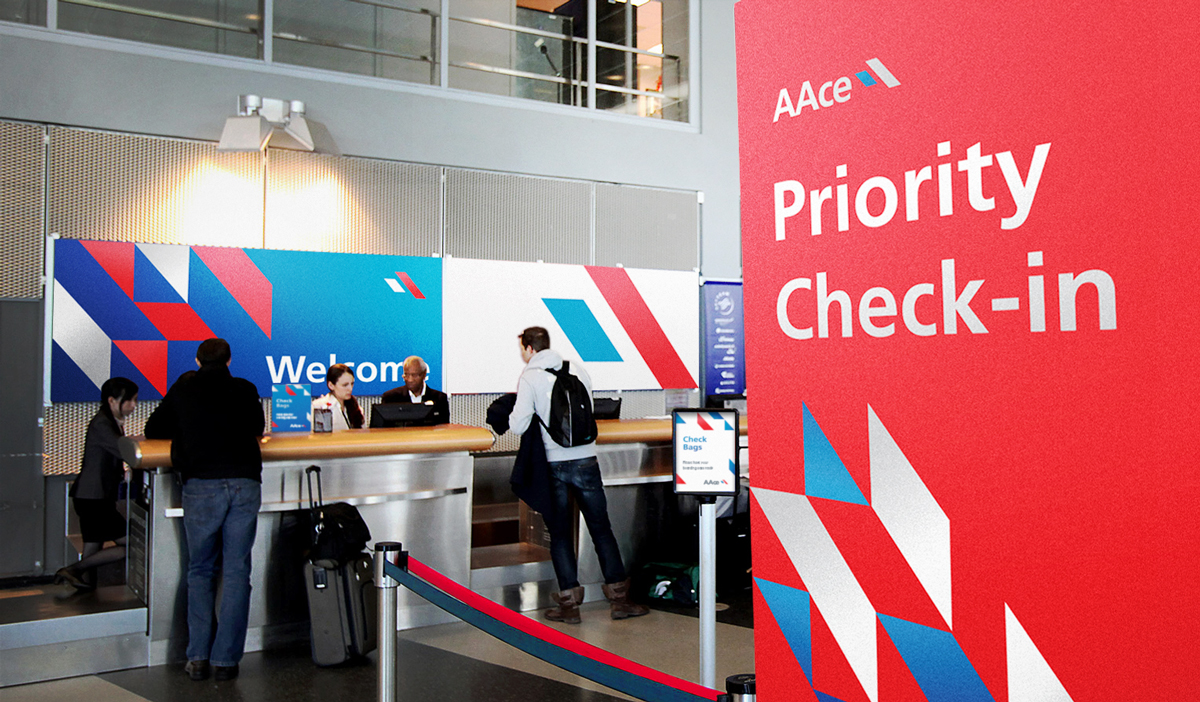
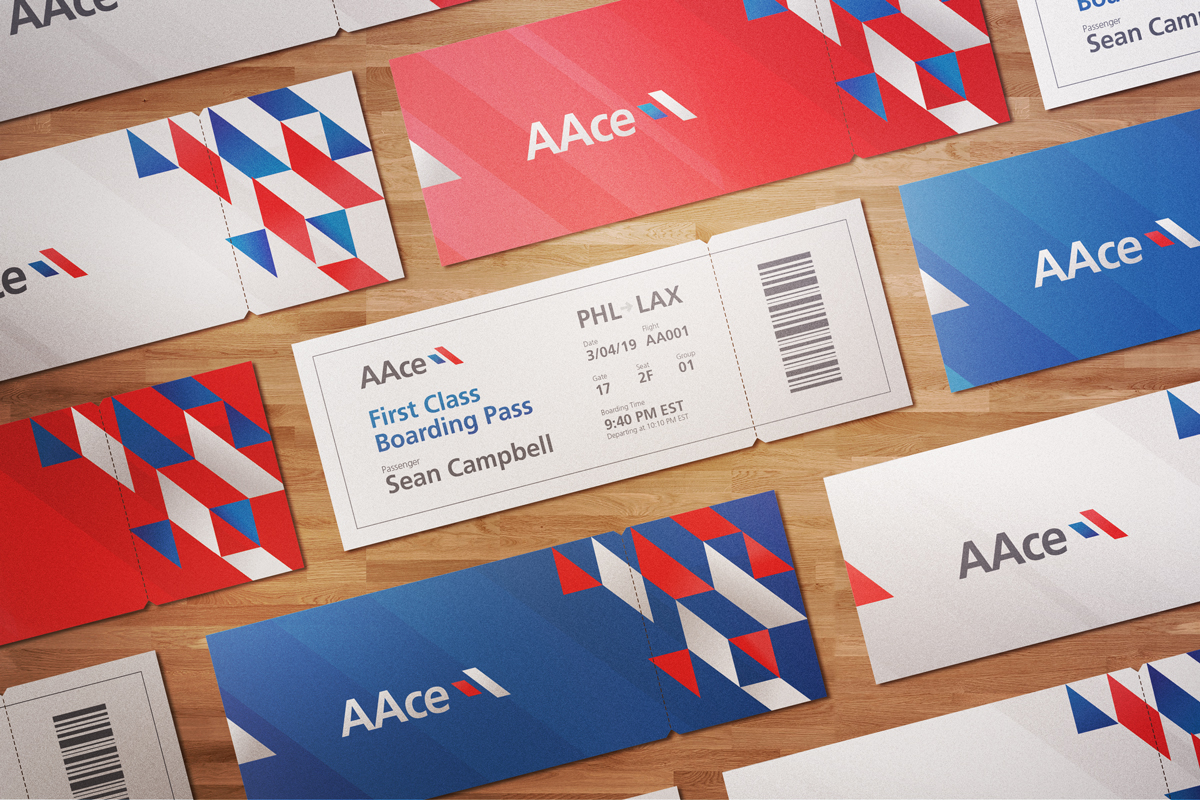
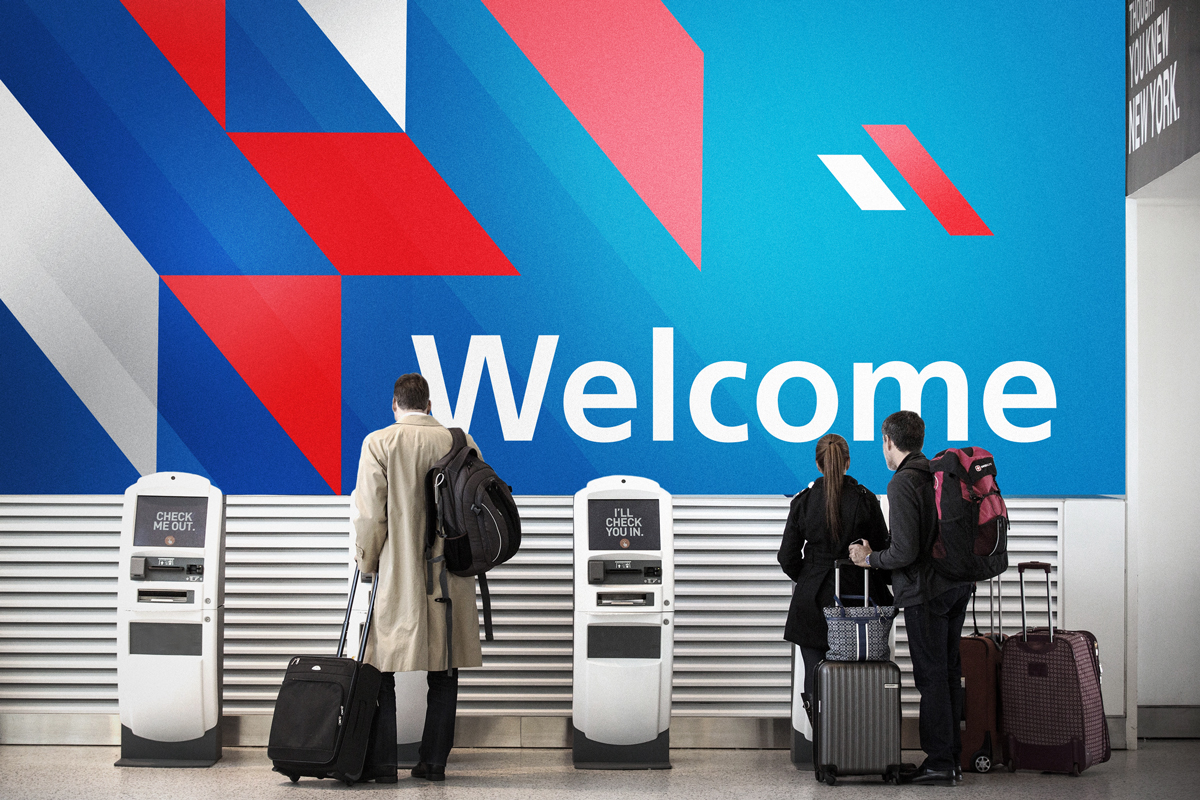
To keep the design consistent with American’s existing branding, I used a similar yet expanded color palette, used the same typeface, Frutiger, and many design elements follow a consistent diagonal angle that is taken from the American logo. I also tried as much as possible to show how this brand will look and live in the real world next to the existing branding. I may not have did the best job at making the design feel special and premium, but I tried to tackle the problem by highlighting big beautiful signage, high quality printing effects and materials, as well as carefully crafted mockups. I’ve learned that when attempting to position a brand at a more expensive and premium price point, the devil is in the details and that feeling of exquisiteness comes from the entire design being refined and resolved.
Closing Thoughts
Being on the show has been an amazing experience and I thank everybody involved! I’m incredibly grateful to have been given the opportunity.
Find Me:
https://www.behance.net/sjcampbell
https://www.instagram.com/seancampbelldesign
https://www.linkedin.com/in/seancampbelldesign

Overall Idea
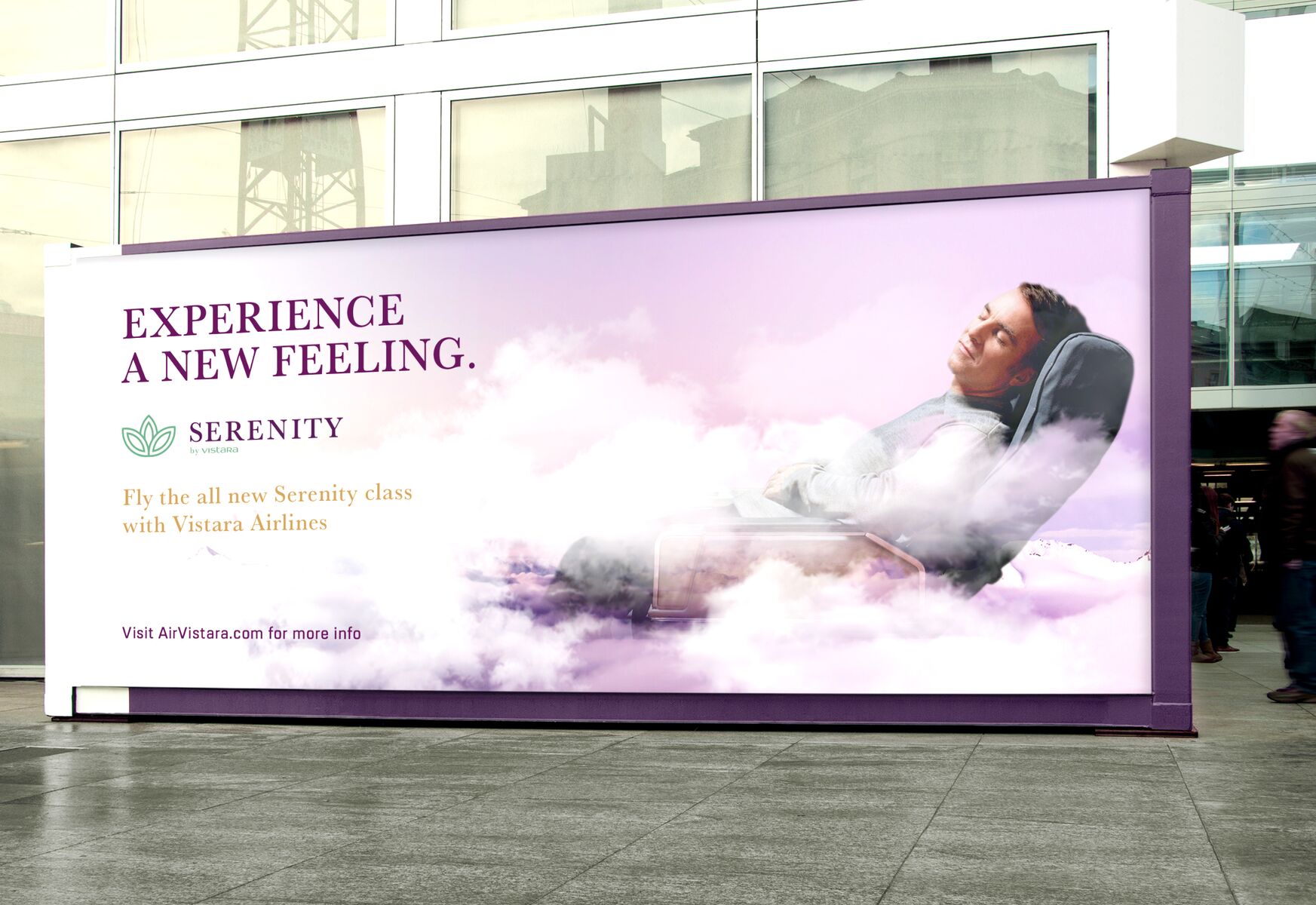
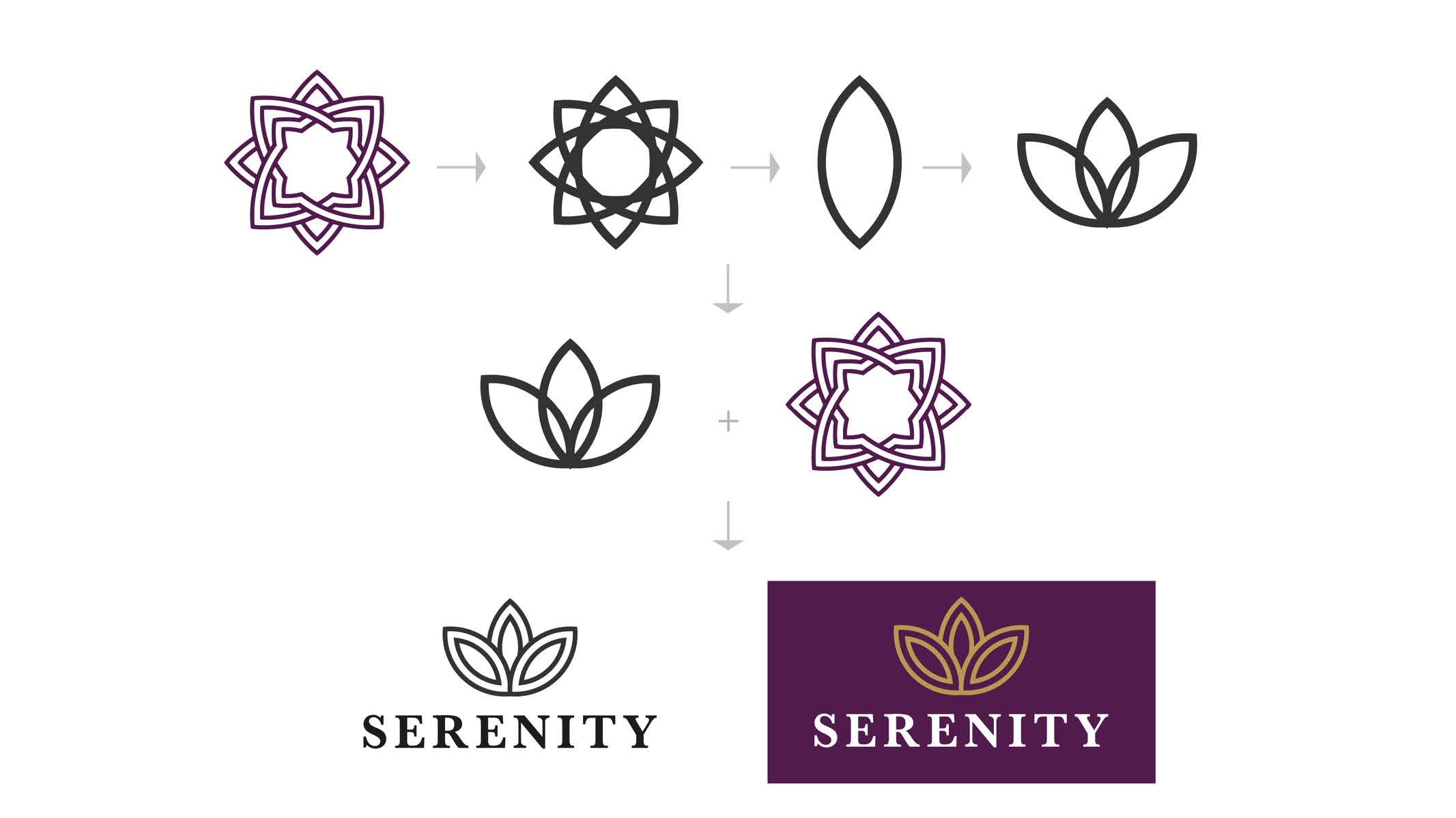
I selected Vistara Airlines based on the criteria on their about page. They clearly mention their mission is to redefine air travel in India and provide a more personalized flying experience. I felt they are the ones most likely to come up with an upper business class / premium flying experience. I didn’t wanna go on Etihad level of luxury as I felt it was unrealistic for Vistara to do that in India. So “Serenity by Vistara” is more like an upper business class, VIP experience. I based the whole thing around having the sense of peace and not having to worry about anything while traveling “Serenity class”.

Challenges
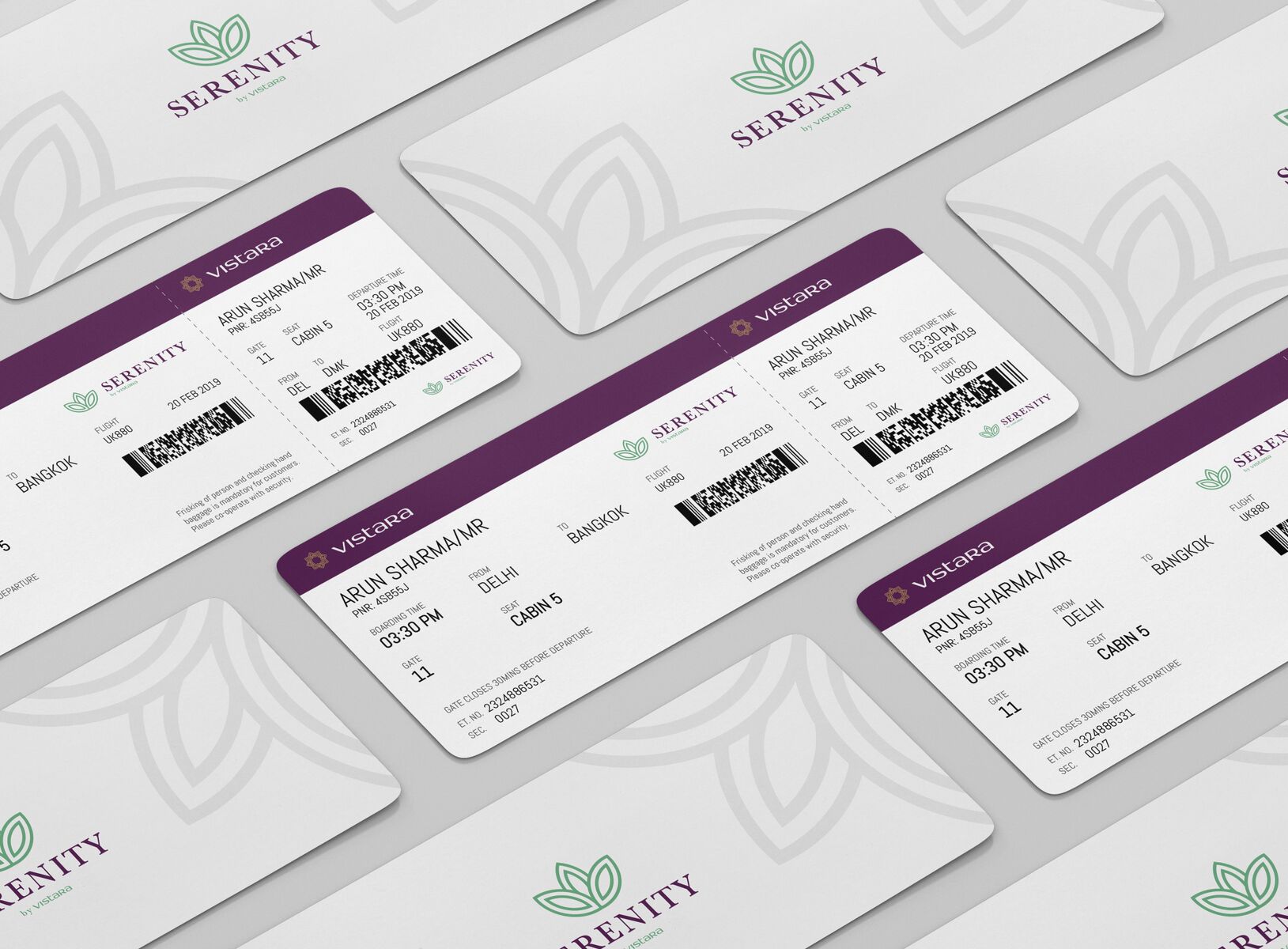
Coming up with the name of the VIP class was the most difficult task, I spent a considerable amount of time on just that. Then there was the challenge to distinguish Serenity enough from Vistara so it can stand on its own, feel like a VIP class but still feel like part of Vistara Airlines. Having to define that visual language and style was very difficult and I struggled with it a lot.
Summary of Design Solution
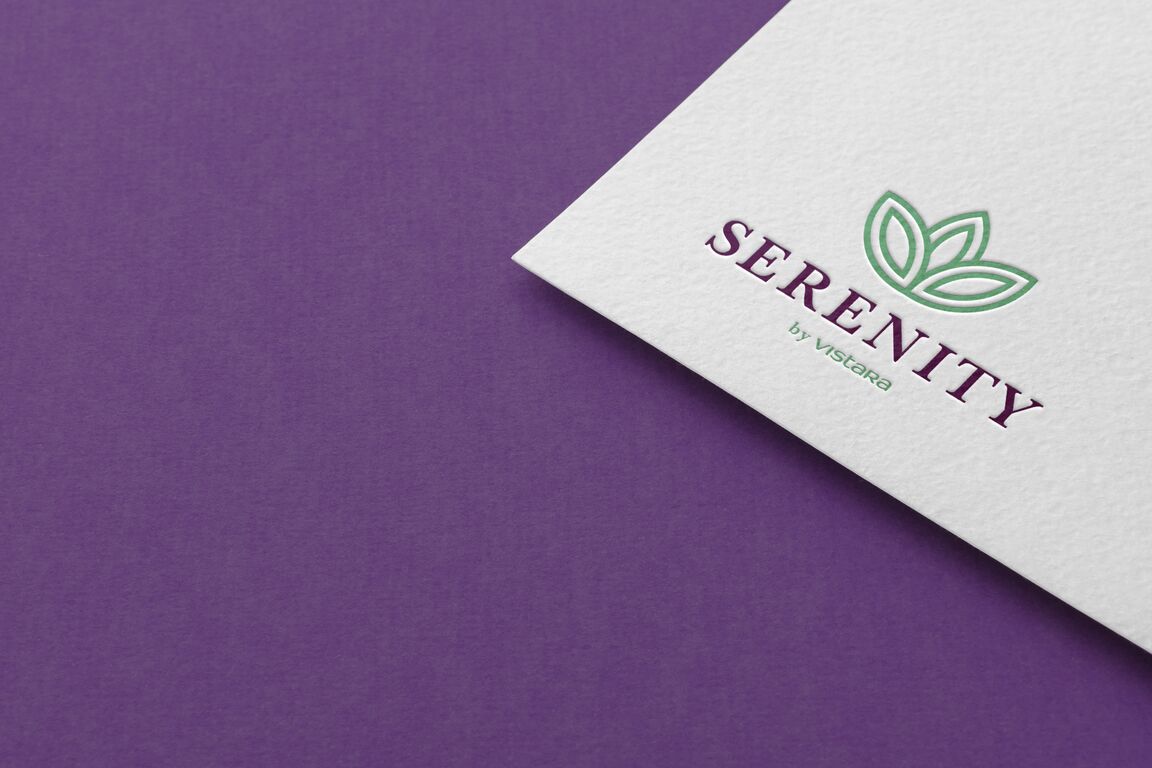
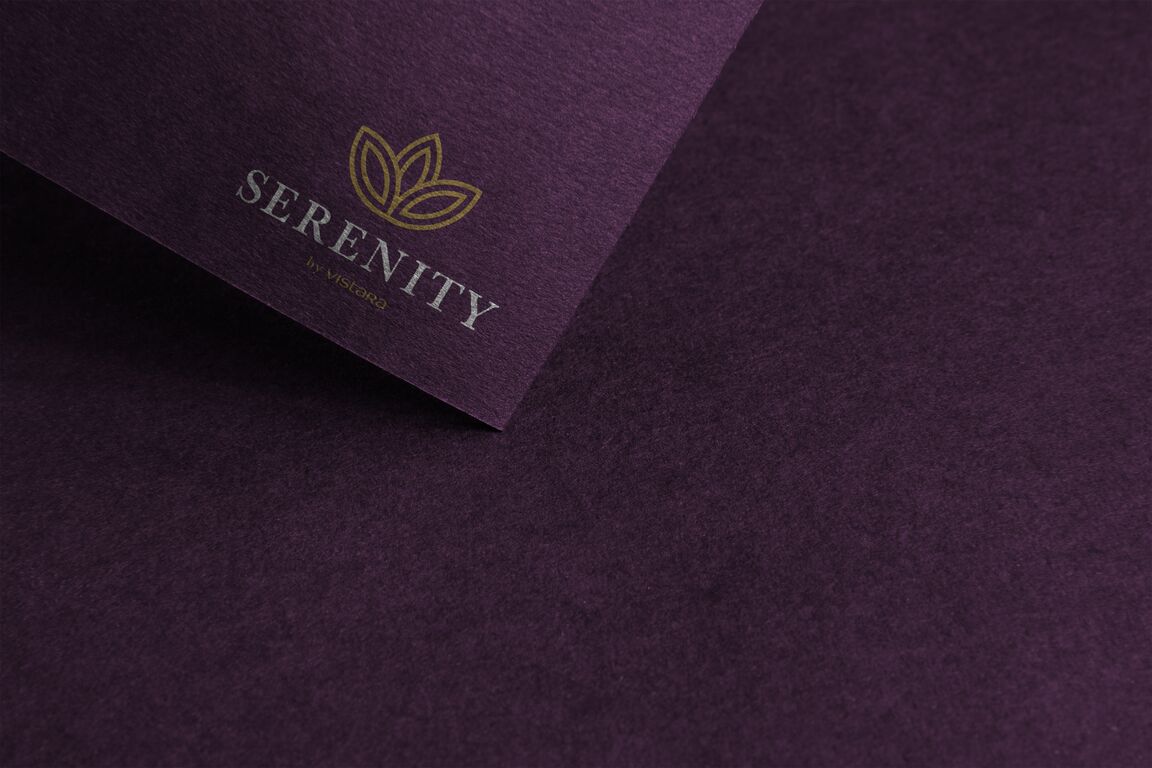
I wrote down everything I wanted “Serenity” to feel like and started back-tracking from there to come up with a few names which relate to Vistara’s limitless expanse meaning. I was very happy with the name and the logo I decided to work with. It feels just right. I think I failed to come up with a proper visual language and that was pretty evident in Chris’ critique of the work.

Closing Thoughts
This was a challenging project. It proved to me that you can’t design in a closed silo. You always have to think of the bigger picture, the whole system and the ways you can always make the system versatile enough to be applied on any medium. I think that’s one of the reasons why Sean’s design won. He had a solid design system in place which connected everything.