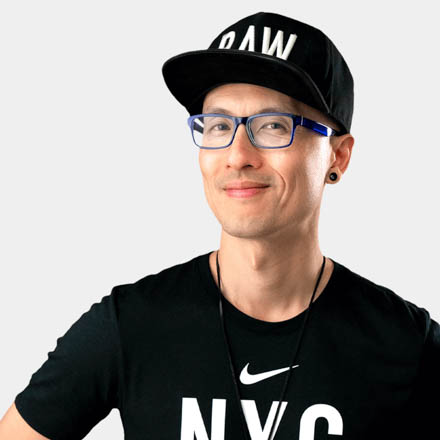
Matt Gray is my guest today and we're going to talk about how to build a profitable personal brand. I think we're going to get into his story and we want to start to unpack the things he's been able to do to help a lot of other people. Now, normally he speaks to I think you have a program called Founder OS that the average person there does what $2 to3 million a year and then you help build their personal brand and you have a lot of uh frameworks [music] and strategies and even AI tools to help them do that. We'll get into that in case you want to find out about that. But make sure you stick around. Let's get to know the man first. Okay, Matt, you look like a super chill guy who's got like very meditative vibes. Where are you before you do any of this? Like, who is Matt?
>> Currently living in Bali, Indonesia, and then split my time there and then in Europe. Uh, typically in the Doommites in Italy, mountain biking and doing my thing there in the summer. And uh, yeah, I've been building businesses for about 18 years now. Um, exited a company that I first started when I was 21 and exited at 24. Um, since then I've built three other profitable companies, audiences of 14 million around those companies. Um, and when I was 30, started building my own personal brand. I've now scaled that to three million people and currently focus most on a company called Founder OS, which uh really helps founders build profitable personal brands to help them feed their businesses with organic content. So, in my own career, as an example, early on, I didn't know operations. Um, didn't know how to build systems. Um, I was the bottleneck in everything I did. It cost me like not just business success, but cost me like a lot of just like mental health struggle, addiction, all that kind of stuff. I thought for a while like I could just hire a COO or just hire a head of ops, like believing in this vibe of kind of there's some sort of magic pill, you know, like some some person I could bring on that would just finally solve this issue for me. Um, and having tried that time after time after time, I finally kind of learned the lesson that I need to start wrapping my own head around this stuff, right? Wrapping my head around what does a great operation look like? How do you have clear responsibilities for people? What's the workflow when you're building maybe a media company? How do you drive people from awareness through to transaction? Right? You can't be oblivious to this stuff. You really got to understand the machine you're building. Um, the same way that people when they don't know much about a car bring it to a mechanic and can get screwed. You know, it's the same thing that happens to you in business if you don't understand the machine you're building, right? You're bound to get screwed. Um, and if you're planning to play the game for the long term, you know, most of us are 50 years, 100 years, what have you, you know, something's going to come up and that ignorance like, well, initially it can be bliss, you know, ends up becoming a real risk. I I've seen you grow really really fast in terms of millions of followers in a matter of like a year, a year and a half, two years, right? That is not something that we see every single day. And oftentimes people will send me your content like, "What's Matt doing?" I'm like, "He's doing something good. I could tell he's doing it." What have you learned in the process of taking your account from nothing to like where you're at now? You have millions of followers and I just checked on X or Twitter. It's like you have 600,000. You have a lot of freaking followers on Twitter, which is not easy to do. Millions on on on Instagram. What did you figure out in this process? And then we'll we'll I want to set up the credentials and then we'll like get into like the tactics. I mean, I started my personal brand around 5 years ago. Uh the process to getting to that point uh was kind of actually quite messy. Uh so uh about eight years ago um was using substances, drinking too much. Um I had become kind of a little bit lost. Um and I had gotten out of a relationship. Um and had this opportunity to kind of like look myself in the mirror and go like, "Okay, something's got to change." Um I had tried to kind of quit um 40 plus times um and knew I needed to get some help. And so I started looking at my phone, starting to think about who do I know, who can I reach out to? And I was uh probably listening to too many podcasts at this point in time. I was like, "Okay, Huberman could help me." And so um I picked up Instagram uh you know, sent a voice note to Huberman 2 minutes long and sure enough the next morning um randomly didn't expect this. I have no relationship with him. He got back um sent a voice note and acknowledged the situation I was in. um kind of told me some of the health issues that were likely to come up if it continued. Um and then uh made a referral to a guy named Dr. Kyle Gillette and was like, "Hey, you should go get blood work done with him. I think it'll help you understand the impact you're making on your body." And so sure enough, uh you know, few weeks later, had blood work done, realized that the substances I was using caused my testosterone to drop from 800 to 200 as a 30-year-old male, which is super super low. And so decided in that moment and something clicked. I think it was like this idea of almost gifying sobriety which for whatever reason worked for me which was like okay it's at this level now if I can just sober up maybe for a few months um I can get those levels back and then get back to a level of vitality. And so sure enough that's exactly what I did. Um I quit cold turkey, stopped drinking and other stuff. And around that time, I got like a kind of a sobriety coach essentially. And this individual recommended that I read the book The Artist's Way by Julia Cameron. And so read the book. For those that don't know, it's this like kind of eight-week journey. Um there's like a 10-page reading. Um there's about 10 different prompts at the end of each chapter and you essentially just write three pages of morning pages every single morning when you first wake up. No social media, no nothing. Wake up, write your morning pages. This was a new habit for me. I had always thought of writing as really scary. Um, I had no idea really how to write that well and you didn't need to. This book was really liberating in that sense. You're just writing privately to yourself and just letting it flow. And so that's exactly what I did. And there was a lot coming out of me. And a re throughout that experience started to realize that I think part of what was going under underneath all these substances was that like the artist in me was kind of being like muffled um and suppressed um and I had just kind of gotten lost in building things and life and struggles or whatever um and hadn't given that artist much of a voice or an opportunity to like exist and create. After going through these 90 days, I just as an experiment was like a screw it. why don't I start sharing some of these different lessons and things on X at the time Twitter and it was messy. I was just putting stuff up there. Had no idea how to really do it all um how to look good or how to make it good or whatever. I was just sharing the same way I'd been sharing with myself these random thoughts um in these morning journals. And so I started sharing it along that kind of journey. It was messy at first. nothing was growing and I wasn't really in it for the growth. The whole thing was like just the process of just putting the stuff out there. Maybe I could help other people like me. The kind of creative expression of it all was interesting. Uh there was no grand master plan and people started to enjoy though the things that I was saying and there was a little bit of positive feedback which did feel great which was like a little bit reinforcing to continue the journey. And along that way, I started to kind of become a little bit more obsessed with like just the craft of writing um like reading random books, whether it's on writing uh by Stephen King and uh you know other books like um the ade copywriting handbook by Joseph Sugarman. And then that brought me in a little bit more of a wormhole of just like wormholes do, right? of just looking at hooks and looking at ways of doing it and realized there's like a whole art and a craft behind this that was actually quite fascinating to me. And so I just was both learning the practice of expressing myself more and letting this artist kind of unleash while also like applying the tactics of copywriting to package it in ways that would travel online and that would be digestible and sharable by folks. And so that was kind of the genesis for then building this audience. Um, and it worked. Um, and on X grew, you know, to a 100,000 plus. And then just started literally taking that exact same content and just putting it onto LinkedIn. No different edits, no nothing new. Literally just putting it over there. And it actually started growing even faster. Um, LinkedIn apparently really likes the similar type content that's on X. And so that journey kind of continued and it was this gradual process of just iterating and putting myself out there. It was only about you know 14 months into that journey then that I started bringing it to short form video um Instagram and Tik Tok and YouTube shorts playing around with that looking like an idiot short form videos in the backyard of a Porto Escandido Mexico Airbnb I was staring staying at you know then about nearly 18 months into the journey when I started YouTube. So, it's been like a step-by-step um journey, but that's kind of how it all unfolded.
>> Mhm. Was your intention just to share what you were learning at the time or was there another motivation in terms of building your brand so that you can get people into a program or something or coach them.
>> Initially, it was really just sharing stuff. I figured, you know, we've learned these things, right, where it's like, you know, first- time founders focus on product, second time founders focus on distribution, right? Um and actually when I rewinded this period, this initial sharing on X period, um I actually had met you. Um I went to a uh sort of a conference hosted by Eric Sue um here in LA. Um you were one of the speakers there along with Hormosi and Cody Sanchez and some others. I was just in the audience. Um and there because I was curious actually a friend Steve from pray.com was like, "Hey, you should come check this out. Come with me. Like it'd be fun." I was like, "Screw it." So I actually flew from Toronto just for that.
>> Wow.
>> Um and uh and went to it and I was just there for the three days for this conference. Um and it was part of like one of those inflection moments in this whole journey because I started realizing I would was watching Hormosi on the stage and then watching Cody Sanchez and it started to become obvious in my own brain. And I was like, you know, Matt, you haven't built a personal brand, but you have been building media companies now for nearly a decade, having built Herb, my second business, to an audience of 14 million people organically and produced, you know, tens of thousands of pieces of content, not for me, but for that brand. And it felt really liberating to some extent to go and take my own brand that much more seriously. Kind of move from approaching it maybe more in the farm leagues and be like, "Oh, no, let's go pro. Um, let's give this a shot." And so around that time was when I was like, "Okay, I'm gonna really lean into this more. Um, and start viewing it almost like one part art and one part like a sport. Um, and just having fun with it all." Um, and the whole journey has really been like this more kind of falling in love with the process and the artistry behind it all. Hence, like a lot of the content there's not that I'm putting out. It's not there's rules around this stuff. I'm just doing what I enjoy putting out stuff I feel like needs to exist and then listening to the audience. And I feel like that's where a lot of the content strategy has come from is listening to folks. They wanted systems. They wanted things to be tactical. Um they wanted deep dives in things like content systems to grow on YouTube or they wanted content systems to go and drive more leads. They wanted to learn how they could go and you know nail their brand positioning or brand, you know, statements. And so it was just really kind of listening to these folks and then just responding and helping and serving these people. Um and that kind of compounding over time. And then sure enough, at some point about six months into the journey, I was like, I'm going to go and put together something. Let's try and just see if a bunch of people would get on six weeks of Zoom calls with me and learn a little bit more about my own approach to entrepreneurship and how I built companies. This kind of symbiotic relationship between taking care of yourself. At this point, I'd been, you know, maybe almost a year sober. and how when you take care of yourself, you know, it kind of helps your business flourish. I called the thing soulful entrepreneur. Um, sounded like a yoga studio. Um, sure enough, I got about 15 people in that from my audience and it served as this awesome kind of just testing ground. I felt kind of like a comedian testing their bits before like a Netflix special. Some things bombed, some things really caught on. And I just paid attention to those patterns, surveying people every week. what did you like most about what I just went through and what did you like the least and just responding to that and adjusting accordingly. And so did that a couple times and then that evolved into something more formal. I ended up listening to a few mentors, one of them, Alex Lieberman, founder of Morning Brew. I had been talking to him every other week and he's like, "Matt, you know, this thing is a bit woowoo. Um, and the name, you know, again, sounds like a yoga studio. Uh, I like the systems aspect of what you do." And it wasn't so much that he said this or that his advice was like, you know, what really mattered. I think that most advice, like you got to obviously run it through your own filter. So when I ran it through the filter that I had, it just clicked with me. Like, yeah, the systems thing that you're saying you think I should lean into, that resonates with me. I I like that. And so that became more of sort of how I started building my brand is around the systems behind entrepreneurship. Helping folks build profitable personal brands, helping them do it in a way too that doesn't all come down to them and helping them build the right team, the structure, the workflows and the strategy behind it all to make it much more simple.
>> Okay. Is that then the rebrand founder OS?
>> Exactly.
>> The systems operating system.
>> Yeah.
>> Okay. You know, you call it soulful entrepreneur and uh you live in Bali. You've got the hair for it. You got the vibes whenever I see you on a t-shirt. You're sweaty in some tropical environment.
>> You do throw out yoga vibes. You're aware of that, right?
>> Yeah.
>> And even though you change the name, is that still a part of your DNA?
>> Yeah. So, I mean, in some senses there's been a bit of a full circle kind of journey in this world going from like, okay, I should probably really niche down, you know, let's be known for this like systems guy stuff, right? And doing that and then kind of moving the sort of say soulful side of it to the side. um when people work with me or get to know me, there's no splitting these two things, right? Like I'm one part kind of system so that you can have the freedom that you need in life, but then one part like yeah, the soulful side of it, building something that you love that invigorates you and making sure that that artist within you is not ignored. And so yeah, these days I mean there's a much more symbiotic relationship between those two aspects. I would see my own personal niche like I have it written down on my own vision board as soulflow entrepreneur whereas like you know my presence online is more of this kind of like you know founder operating systems for founders looking to get to $5 million and beyond.
>> Yeah. Well if your brand is what people say about you or I got feeling my buddy Neil Dingra who runs Ford Academy he's like oh you have Matt on. Isn't he that hippie guy? Like I never thought of you as a hippie guy but as soon as he said yeah he is the hippie guy isn't he? Maybe. I don't know. But now that we're talking about all this stuff, it's like, okay, there's there's that part to it. Okay, here's what I want to do now because I've teased it. I've promised people I don't even think we even need to tell people why they should care about brand because if you're this deep into this episode, I'm going to just make the assumption you do care about brand. And people are a reluctant to make stuff. Help us get over that part first. Let's just say like I love the idea. I've not done things because I have all this fear inside of me. Help me get over that and then we can move on to the next parts. I think how do you help people get over that?
>> Yeah. So, I think it's kind of breaking it down like it's that's completely normal, right? Like anything any important thing you do in life, right? It's always like that nervous feeling before like starting to get that muscle going. And so I think of it like someone just starting to go to the gym, right? You don't need to worry about gaining a bunch of muscle or losing a bunch of fat initially. I think if I was advising someone to get fit, it's like let's make sure like for the next 90 days, you just walk through the gym door, right? And so the analogy then there on like the personal branding side is first off to know are you more of a camera first person or are you more of a pen first person, right? Does it excite you more to start writing with, you know, your words and pen then maybe get going on a platform like X or LinkedIn with a maybe a newsletter eventually? On the other side of things, if you're more comfortable on camera and that's what excites you, then get going on that direction. Maybe publishing a YouTube every month to start with and remembering along the way too that the best content strategy is the one that you can stick with. So don't try to go too hard in the paint too fast, right? Like one step at a time. From there, I think like for the first 90 days, view it as almost like a spiritual exercise of just getting going and building the muscle of shipping. Like, as you ship a YouTube video, emotions are going to come up, right? Oh my gosh, what are people going to think of this? Am I doing it right? Oh, mine doesn't look like Chris's do. Um, oh man, like what's my team going to think of this thing? Right? All of that stuff's going to come up. And I think it's playing with that voice in your head, right? And viewing it as a as a practice, right? The same way that when you go out for a night and you're dancing and you're not a dancer, it's a bit of a practice. Or the same way that, you know, when you're even hiring early in your company and it's nerve-wracking, you're not just not going to hire. You got to view it as a bit of a practice and a skill that you're picking up. It's a bit uncomfortable. And so, same thing. It's like you're likely watching this because you know that it's a valuable thing for attracting talent and driving cash flows and leads and you know serendipity and new opportunities in life. Like people know these things cuz it's the truth. And so not letting those voices creep in your head and stop you from actually shipping the thing and getting started. Realizing that no, that's part of the practice is that there's stuff going to come up. And so, you know, maybe it's having something on the wall where you're just tallying out just the consistency of it and just seeing it as don't worry about the quality of it. Don't worry about what people say. You're literally just doing this as an internal practice just to start shipping some stuff that you feel good about.
>> Okay. I'm going to turn this over to our audience here. I what I hear you saying is let's just first develop the habit of shipping.
>> Yeah. and do it in a way that's sustainable and do it aligned around something that excites you. If we accept that as a critical first step, what would be stopping each and one of you from doing that? Do you have anything? If you do, let's talk about it so Matt can address it before we move on. What the next step is
>> perfection.
>> But what did he just say though? He said just get into the habit of shipping.
>> Yeah.
>> Not shipping perfectly, just shipping something. I have to come to terms with not shipping perfectly.
>> There was no word about perfection. Can you just ship something?
>> What I'm trying to explain is that that
>> um perfectionism prevents me from shipping. It stops me from
>> Fair enough then. Okay. Matt, how do you want to respond to that?
>> Yeah. So, when people are building their brand, right, something that's going to come up is this idea of like, you know, is it good enough? Right. And perfectionism is something that can often creep into people's brains and stop them from just taking that step. U you know something I've been thinking about just a quick story on this is that you know sometimes this whole content game online it goes through like these different pendulums and the pendulum swings from a world of kind of super authentic off-the-cuff um imperfect content and then sometimes swings to like more polished content. In this day and age, you know, when we're looking at most content online, one of the first questions people have when they see something is, "Was this created by AI, right?" And that's the world we currently live in. You know, rewind five years ago during COVID, everyone's locked in. They start seeing Chris's content. They're like, "Oh, he's got a Sure Mic and he's got an FX3." And they start getting that and then they're looking at color grades and they're going and they're nerding it out. And that was like a wave that we had that's now kind of coming to a halt, right? And so I would say first off to deal with like I think it's the right side of the brain that's more logical maybe getting it wrong is like we're actually living in a day and age right now where the more actually imperfect it is right where you can just feel the humanity and the authenticity behind it is like where humanity is at right now. They want to know it's you. Even with my own content that was polished for a sec. We're unwinding it. Um we just started a second YouTube channel. It's the rules are no editing, you know, off the cuff and just keep it real, keep it simple, right? And so that's that piece. Okay. On the other side of the perfectionism, you know, I first off, I get it, right? It's tricky. Um, I've been writing a book now for the last three years and wanting to ship this for a while. Um, and I've been viewing it though as more of an art project, not any business or anything. And so I'm just giving myself the time to just, you know, go through the fifth draft, go through the sixth draft. So I definitely understand perfectionism because I allow myself um to be a perfectionist in certain aspects of my life. This being kind of the one to be honest. That said, I think when you're going and doing the content side, the thing that's the most important is not where you start, it's the learning velocity. And I think that's true with most things in life. I think it's actually one of the most important things for us just as humans and founders to compete over the next 20 years. It's just how fast can you learn, right? Because if you can learn, you can iterate, you can build a better product, you can get results, you can get cash flows, you can reinvest that in areas of your company and also in your own lifestyle and continue to flourish. And so I think when you kind of begin this journey and as you're there realizing that if you can just have more of an insatiable appetite to just learn, then maybe it allows you to ship something because you're more obsessed with the learning you're going to get from it than the reaction or outcome you're going to get from it. Um the last thing I'll say on it too is that I've struggled with this again in many areas and I think it's also about a reframe, right? going from reframing things as this content is a performance where I need to show up and look a certain way to how can I approach this like play and it's about you know I'm just going to show up as I am um you know no no performance not trying to look good not trying to be perfect just like I am who I am I have things to share that can provide value for someone let's do it let's press play right and trying to just approach it and kind of loosen the grip grip on the whole experience. That's some things I have a note in my phone called filming checklist and sometimes when I'm overthinking it, I just read these points in it to kind of Okay, right. You're all good, Matt. Just turn the camera on and just speak to a friend.
>> Yeah. So, Gil, you are a lawyer. You're also an artist. You play multiple instruments.
>> Piano and keyboard synthesizer. Okay. Um, did you get good at playing the piano on day one?
>> No.
>> Okay. So, if a young student wanted to learn how to play the piano, he goes, "I don't want to start unless I can play perfectly the first time." How what would you say to them?
>> No. No. I agree with you. It's It's just uh
>> No, I'm I'm I'm asking you a real question. What would you say to them? A student says, "I love the way you play and perform.
>> It takes practice. It takes years.
>> But I want to be perfect. I can't start playing.
>> You can't be perfect on day one." So why does it make sense there but it doesn't make sense to you in your own life?
>> It's it's an interesting question. It does not make sense. Sure.
>> So I have a theory and you may not like me for saying it is I believe your perfectionism is an avoidance strategy.
>> I agree with you 100%.
>> Okay. So when you can talk to your therapist say why am I trying to avoid this? Because we know that everybody who's good at something, they started out really messy at the beginning and it's their persistence and how they practice that gets them there. And it's a really unrealistic for anybody to say, I'm going to be world class at something on day one.
>> And to your point, if I may share for your audience, what you are saying is 100% true. Because in my own experience, the videos that I do, if you show it to uh to someone else, they would tell you it's above average. It's not bad what I'm doing. There there's something in me to try to avoid. Thank you.
>> Yeah. And have you seen that Iraglass interview? He's does this American life. Irag Glass is the host and he goes, "There's this thing about creativity." and he goes, "I want to play for you a clip of me doing an interview." He's the one he hosts one of the most beloved podcasts, okay? Very popular podcasts, this American Life. And he plays it for for you and he's stuttering and stammering through it. There's a lot of ums and filler words in there. He goes, "That was five years after starting." He goes, "The problem with a lot of creative people is we have really great taste, but we don't have the skill. So we there's that the gap between your taste and your skill is enough for it to you to start.
>> So he goes, I'm still not that good. And he's been doing this for decades. But people love it. So maybe we shouldn't use our own taste as the barometer for whether or not we're going to do something. Cuz often times, I don't know about you, when I'm creating something, I'm like, dang, it was so good in my head. It's just, how do I make this? And we just grind on it. either it becomes what we want or we settle and we learn something and the next time we're a little bit better. So, it's just this gap between your taste because in the world of music you're at the highest level and in the world of content you're above average and that is just unbearable gap that you just can't get over. So, if you can just let go of that, I think you're going to learn so much more.
>> I'd love I'd love to hear your views on uh the fear of being judged. Okay, we can go there if you want.
>> Yeah.
>> I mean, let me ask you this question. The entrepreneurs that you work with that are part of the founder OS system that are doing two to3 million dollars a year, do they voice these same concerns?
>> Yeah. I think the interesting thing about you all the stuff we brought up, right, it's like it doesn't matter whether you're that successful entrepreneur running a $400 million company or you're that person that's, you know, just got a school community to $100,000 a month or you're someone just beginning all this journey. The interesting thing is that when it comes to building a profitable personal brand, what I've noticed is that everyone's kind of a beginner, right? And as such, yeah, all this stuff um comes up. Um I think it's why too, this stuff is a skill, right? It's a craft and it's complicated and it's messy. You know, when you look at, you know, as an example, the first mission to the moon, I think it was like Apollo 13 maybe. Uh people think it was like a straight shot to the moon and then back to Earth, right? But when you actually look at the journey, the whole time it was wiggly like this, right? And so what's the lesson there, right? It's like 97% of success is about correction, right? Not about getting from here A to B, right? The journey of whether it's building a business, the journey of most relationships, the journey of personal branding. It's inherently kind of messy, right? And so how do you ensure that you're course correcting along the way? Well, you just brought up as an example, you know, you're a piano teacher or sorry, you play piano and if you were to teach someone piano or if we were to learn a new sport or any new skill or a new language, right, you would find a coach or an accountability partner of some sort. And there is a difference in my eyes between a therapist, a friend, a family member, and a coach or an accountability partner, right? someone that's like weekly or bi-weekly like really checking in and making sure that you did what you said you were going to do irregardless of maybe what came up or you're expressing these limiting beliefs and the perfectionism and the worries that come up um and being able to then like kind of work through it but then still commit right and I think that's inevitably what is needed I think in this area right and where people sometimes downplay because it can sometimes for some people be a natural thing and some People downplay it because, you know, they haven't done it much. So, they don't realize how much fear comes up sometimes just to press publish, but then they start to experience that fear and they realize, oh, damn, like now what? And they get really in their head. And I think if you can find someone to keep you accountable, you can find a coach, a consultant, whatever it is that's right for you, you're then able to externalize a bit of that and then have someone that's still making you actually move forward with it and hit the goals that you have in mind.
>> Wait, wait, before you do that, can I can I do one more thing and then you add
>> Okay, you win. This is her show, man.
>> Yeah, it is. And to your point, if I may add only one word, P L A Y, play. The power of play is so powerful. When you're playing, you go into the zone and you're creating and you're just flying. And that fear of judgment and being perfect dissolves. So that's the magic where it happens. So think about it. every time you're doing anything. Play play and you just lift off. Thank you.
>> Okay. Um I want to acknowledge how scary it is to put out content because even in my me asking you about playing piano. When we practice, we have someone to teach us. It's very private. You do it in your own home or some small place. It's not on stage in front of 300 people. Could you imagine just learning scales in front of 300 people? And now I understand there's pain there. Okay. So that's a very real thing. So it's not just imagine. And I want to ask you this question. In your life, in your circle, people you know, friends, colleagues, family, how many people do you really care about their opinion? Can you put a number on it roughly of the people in your life that really matter to you that if they said, "I I I think you're becoming someone I don't really like," that would actually affect you. How many people do you think that might be? Not very many.
>> 12?
>> Not even.
>> Six.
>> Three.
>> Probably not. Yeah. Probably two, three.
>> Two or three.
>> So, we really only care about the opinions of two or three people. And And maybe by proxy when you put it out onto the internet, some idiot that you don't know is going to say something to you that you're going to take and carry with the weight of the two or three people as if they were saying it to you. Perhaps. My very practical thing for you is to talk to the three people and say, "I'm going to go on an adventure. I'm not going to be very good at it, but I intend to be good over time, and your opinion means so much to me that I just need space to grow and fail without your condemnation and judgment because I know that'll really derail me. Could I get your permission to do this and invite you to like give me grace during this time?" And if you could do that, that'd be fantastic. If you give me a support, that would mean even more. Could you do that?
>> Sure. Yes.
>> If you did that, what would they say?
>> I'm I'm sure they would fully support me.
>> They have to.
>> Yes.
>> You matter to them. They matter to you.
>> So, if you did that and you have the support of the three people that matter the most to you,
>> don't you think you can conquer the world that way?
>> Absolutely. But in my case personally, I think I care about what uh the people not within my circle say about me than within my circle.
>> But you only care about the opinions of two or three people.
>> Within my circle, yes. But what my worry is about being judged by those who don't know me.
>> What impact will they have on you? In my head not real impact, but in my head it does.
>> How do you separate in your heart or your head? Is there a battle between those two or they the same?
>> No, they're not the same. My my head is different from my heart.
>> Would your heart care?
>> No.
>> So, would your head cares? Yes. The logical part cares.
>> Correct.
>> What is the logical part saying if you could give advice?
>> That you need to be perfect. that you need to show you have no weak weaknesses.
>> I thought we established that in the process of doing something new, it's very natural for it not to be perfect. There's no such thing as perfect beginnings,
>> right? Yes. Yes.
>> There's like um an expression, I hope I say it right, you don't have to be great to start, but you have to start to be great. So, you're trying to find the loophole in that expression. It seems way yes.
>> You find Are you going to spend the rest of your life trying to find that loophole?
>> No. That's the component.
>> Do you believe that though?
>> I do. I do.
>> Okay.
>> Your logic says this is not your heart by the way because this these are I don't know how to make heart arguments. I know how to make logic arguments. So twice now you've agreed if if a student was trying to learn to play the piano, you you're going to suck for a long time. Just deal with it. And your logic also says you have to start to be great. So when you say the logic part is not connecting, is it the logic part or is it an emotional part? I suspect it's more emotion than is logic, but that could just be my logical brain trying to explain that.
>> Tyler, you want to say something?
>> I think perhaps it's because he has a very big following who follows him. Like he's a celebrity musician, right? And now he's going to pivot to do something else. So I think that's he's already on the public stage, right? He has half a million Instagram. I think that's the difference between like a founder, right, Matt, that has no following and they just have to start. So they're like, "Okay, I'll just start." But I think for you, right, do you think that's true? It's like you already have a big following. People know you as this really great pianist and musician and now you're pivoting to do something else and kind of maybe sucking at it. I'm I'm not saying you suck, but like in the beginning, right? So I think that's that's what I'm noticing. Maybe.
>> Is it? I don't see it. No.
>> Okay. Wait. Take the mic. Take the mic.
>> Just giving him more reasons.
>> Yeah. [laughter]
>> Don't open it.
>> I'm joking. I'm joking.
>> Thanks, Tyler.
>> Thank you for the therapy session, by the way. I appreciate it.
>> I don't think that that is it. It's not uh like I've been practicing law for a year. It's I'm into eight years of my practice now. And uh
>> I think I'm I'm a great attorney. I I I'm not sure what it is, but what you last mentioned makes me think whether it's an emotional thing.
>> Yeah. And I'm I'm no therapist, but almost all decisions are emotional. So, we think it's logic, but it's really hard,
>> right?
>> And it's harder to admit that, especially for guys, that it's emotional because they're like, "Why am I being so emotional about this? Get over it."
>> So, you and I, we can talk later and trying to figure this thing out. But,
>> you know, we're not getting any younger any day uh every day. And I I know both of us sometimes our health is like reminds us of our mortality.
>> So will you be 70 years old before you wake up and say today's a good day.
>> You know you age like fine wine but still you don't want to do this when you're 70. Right.
>> Absolutely right.
>> Yeah.
>> Okay. Let's get into the next part. Okay. So we have to develop the habit of shipping imperfectly. Something doesn't have to be great. Let's say we get into that rhythm and we we start to feel the feelings of like yes, I can do things. I know this just in my own life. Every time I check off something off a list of a to-do list, it feels so freaking good. It didn't even matter if like wash the dishes done. It feels like I've accomplished something right. We hold oursel accountable. We have agency. We're doing things. Let's get into some of the the deeper tactics, the things that you have been able to help other entrepreneurs do and build their following.
>> Yeah. So I think you know you've got the shipping muscle going you're starting to build things.
>> I think the next stage that you want to be thinking about you know when you're just getting going is
>> for me early on in my journey it was effective to kind of go and think about uh you know my icky guy. I come across this in a book this idea of you know your reason for being um this Japanese philosophy around really kind of like finding like what sets your soul on fire and like your calling in life. Um, and it kind of sits at the intersection of really thinking about what you're great at, what you can be paid for, what the world needs, and what you like really love to do. The kind of stuff that you lose track of time doing. If you're going to be on this journey, right, like any journey, right, whether it's building a business, a personal brand, the greatest returns are going to come from the long-term compounding of the thing, right? the best folks I've ever met in the space, whether it's yourself or or Horoszy or Cody Sanchez, and this is one of the biggest things I learned actually five years ago when we first met, was that I could tell the pattern in the one mindset that every single person had and they made decisions around it was they had a long-term mindset with this stuff. So, this icky guy exercise can be really effective because it helps you then make sure that you're building something that is going to make you money, that's going to be fun, and that you could see yourself doing for the long term. Um, I think it's important that then once you've done that exercise, right, you've gone and journaled maybe 10, 15 things in each of these four quadrants, right? And then started to pick up on some of the patterns in the middle, then you can start to form that as a more around your kind of initial content strategy, let's say, right? Right. So for me that's things like helping founders with systems, building distribution around founders and myself, you know, going and traveling the world, viewing entrepreneurship as a soulful journey, building communities. That's the stuff that sets my soul on fire. And I've essentially been doing that in some way, shape, or form for almost, you know, 18 years now. And so I'm building this audience and I'm building now a business too around just my own like natural passion and curiosity. and I'm building a business that I could do and will do until I die. And so I think that's a useful exercise because now we're starting to think about the longevity of this all and now that we've got comfortable with like the actual exercise of publishing daily or publishing consistently at whatever schedule makes sense. We're now starting to think about okay getting a little more intentional about everything. Similarly, on the business side of things, right, there's a lot of different business models out there. And at this stage, you may be thinking, well, I actually want to make sure that this is serving the financial side of it because I have ambitions to eventually have more of a team around me to get some help so I don't have to just do this all alone. I think it's looking at, you know, what business models make the most sense for what you're trying to do, right? Like, are you into building a digital product? Are you into building a software product? Do you want to have a online community? Do you want to have an in-person mastermind? Right? There's maybe one or two of these business models that are most attractive to you. And so at that stage, you can start to think about, okay, you've got maybe a business model that's interesting to you. Say it's a mastermind, as an example, and you are really into empowering female founders in LA. It's like, okay, well, now we can kind of mix this icky guy, right, with a business model that seems attractive to you. and kind of experiment with mashing these two things together and putting together just even initial Google doc offer, right? Just simply writing a one to two pager. Better yet, if you need some help with that, just enter it into chat tbt to get an initial draft and edit it. And then whether it's pulling people from the audience you're just o oh so humbly starting to build and also not being afraid of just hitting up people in your network. You know, nothing better than just looking at your phone contact list, some people that maybe you follow on Instagram, some folks on Twitter, wherever, and just getting on some calls, running that by them, and seeing if they're interested, right? Maybe none of them are, and good news is you learn and you refine it, and maybe some of them are, and you get your first customers, right? But I think that's a way of not just making money, which I think is e the easier thing. It's actually making sure that you're building something that you're going to want to do uh for 10 20 years. You know, the average business, I think, to get real successful can take like five to seven years. And so, not just focus on making a quick buck, but actually building something that's more enduring as I see that stage. Um, well, you were talking about this kind of sweet spot that exists between these four circles. That's the guy. And if you can f figure out your business model and your offer and the audience, the market you want to speak to. I that sounds like entrepreneur step. What about the personal branding part? How do you build an audience around? Let's just say I've identified that. Now, how how do I build an audience?
>> Yeah. So, let's double click into like the different platforms you can build audiences on and maybe some of the different tactics there. So, every platform is going to have its own like operating system as to how you go and start building an audience on it. Okay? Okay. And so we can deep dive onto a bunch of that on YouTube as an example. The thing to understand when you're going and growing on YouTube is that 97 90% of the success on YouTube is your packaging, right? It's your idea, title, and thumbnail. And this is where most people screw up. They as they're trying to scale, they have an idea, they publish it, the title, thumbnail is an afterthought at the end, and it goes nowhere. You actually want to start with that, right? You want to start with really thinking about what's my what are a bunch of ideas I have and then when I think about titles for these ideas uh you know and researching titles that actually work on YouTube which you can use tools like you know oneof10.com for this which is the one that we use internally you can go and look at other outliers that exist on the platform which means you know different titles and thumbnails that have performed much better than a given channel's average amount of views. You can then kind of mash up your best ideas with outlier packaging to make sure that you start with the title and thumbnail before actually creating a given idea and thereby able to make sure that the first 30 seconds of the video actually fulfill the packaging of the video. Um that there's a clear structure to it that people understand whether it's five systems, four steps so people can follow it right and you get retention. And then ideally making sure as well that there's a good CTA in the video that leads people maybe to join, you know, your newsletter via lead magnet or go and maybe work with you in your business. And so that's kind of I think the 8020 of like the YouTube growth approach on LinkedIn um which is a platform we've grown to about 900,000 in the last 5 years. The key thing on LinkedIn is four aspects. Number one, making sure that you have long form value. Two is making sure that you have amazing hooks. And so to double click into amazing hooks, right? David Oggovie, the famous copywriter, said that you've spent 80 cents on the dollar by the time people have read the headline. And what that means is that you got to get people to read that first sentence, right? You're trying to stop the scroll. And so, how do you do that? The easiest way to think about doing that on LinkedIn, and this is kind of for every platform, you'll see the same pattern. You want to go and you want to actually understand the outliers on that platform. So on LinkedIn there's a similar tool to one of 10. It's called Taplo X. It's a Chrome extension whereby you can go and see the biggest outliers from the biggest creators. Again, these tools exist for every platform. And so essentially this pattern that I just want to double click into is what you're trying to do is you've got these great ideas around this thing that you love to talk about. You're trying to get smart now around what actually performs on the platform so I can package these ideas right to work. And the issue is when people are thinking about packaging, they think they can just wing it, but you can't, right? It's like we all have those friends, right, that will recommend restaurants, right? And you have that one friend maybe that you always trust their perspective, right? They say, "Oh, there's this new amazing spot in Santa Monica. You got to check it out." And why is it that that friend's so good at figuring out that that spot in Santa Monica is actually a banger versus that other friend you have that recommends some spot and you're like, "Yeah, sure. I mean, definitely not taking that wreck out." It's I think because they've really refined their pallet, right? Like they've probably gone to a bunch of spots. They've developed a maybe an exquisite sense of taste and they know now like a really really good spot from a bad spot. And so early on what you're trying to do on say LinkedIn and really all these platforms is I think develop a good pallet. And the best way to do that or one of the best ways to do it is to go and start looking at the best people and looking at their best content and starting to study the patterns like what are the hooks here? How have they structured their stuff? So we got hook, we got long form value, there's images as well, right? So I use a lot of infographics or carousels all even and what actually led to some of my most you know fastest growth on the platform was actually just handdrawing just a little bit of value on a pen and paper with an iPhone image every morning for about 20 minutes as again a little practice and then just sharing those. And then the fourth thing is then making sure that you obviously have a CTA in it, a call to action that leads people to repost it, which is the number one metric that LinkedIn is looking for. You're getting them to follow you and then they're again driving them to a lead magnet, which we can get into the whole lead magnet strategy there, I'm sure, in a second. On the X side of things, very similar, right? Every single day on X, I post at 8 am and at around 2 PM. Um, and the kind of content I'm posting are my best ideas and then making sure that we're also refining them based on what we're seeing work on the platform. X right now and it kind of has been this way for about the past year. It is a squirly platform. Um, love it. I think it has some of the best ideas on there. I think it's got the best copywriting in the world you can find on X. it's typically then what travels to other platforms from my observations. That said, growing on the platform right now is extremely hard. Um, it's just a tricky tricky platform. Lots of change, lots going on. And so the game there I think is changing a lot. I think inevitably though what always works on the platform is just really good ideas mixed with then the right sort of way of packaging it, right? So, you know, whether it's, you know, you can have an idea that's maybe a piece of advice that you got when you were younger, but maybe it's better to package that in a way that's like, you know, my father always instilled in me, you know, and then something something something. And that just being like a good way of leading into the value versus just starting with some story and people are already lost and they scroll by. So, it's learning the hooks on X is like the biggest part um because it's kind of like the Olympics of copywriting. And then on Instagram then when I look at the past uh six months of performance on my Instagram account that's like around 950K and again has grown to that over the last few years. They're all carousels. Carousels are a format where it's just you know a generally a square image that you can swipe through. Chris does an incredible job of these and oftentimes there's then a CTA at the end of it. And so you see a lot of reels being made. I still push a reel a day on the platform, but if we're looking to get up and going and growing on the platform, I think carousels are the format of the year so far. And all of this, like anything on these platforms, is subject to change, right? Because platforms evolve, algorithms change. The beautiful thing about some of the things I just laid out is that there are some commonalities between them all, right? All these platforms require you to have really good ideas. They require you to study what the best people on the platform are doing and really be good and intentional with your hooks. You know, whether it's your first line of your LinkedIn post, a subject line of an email, the title of a YouTube video, there are some commonalities here. Um, and you know, amidst all of these like little growth tactics we just went over, um, I think it's also again not losing sight of the fact that there's like the I, you know, doing things that you love, putting out stuff that you love, um, and, you know, balancing like the algo with like the art of it all.
>> Yeah. I I think the theme across all these things is it usually begins with words and images. And if you can't get someone to consume the first part, you have zero chance of them consuming the last part. And so whatever the platform leads with is what you need to understand.
>> Okay. Uh I I couldn't write fast enough. You mentioned something on LinkedIn and using an extension on Chrome called Tacio.
>> Tapio.
>> Tap.
>> Yeah. T A P L I O X. There we go.
>> Yep.
>> Okay.
>> And there's a similar tool again for X. There's something called Tweet Hunter X. Um that's the same thing. When you go to someone's profile on the right side, you see all their best posts ever. And so, same deal, you're kind of developing this exquisite understanding of like, okay, this is what performs best, right? So, you can imagine then the next time you write, you may see a swipe file you've made of like you've saved all your favorite stuff and all of that stuff has gotten a million views minimum. Well, now when you're going and trying to bring, you know, these seven habits that have really helped you over the last year of your life, you can look at how other people have written stuff like that and then leverage that as inspiration as to how you kind of go and format what you're about to go and put out there, which is going to help it kind of at least stand on the shoulders of giants that have put out great stuff and package in a way that helped it take flight online. one of your standout things and it's hard to miss if you've been on Instagram LinkedIn or U or X is these I would call them crazy infographics that look like you wrote. And I have some questions for you about that because they're really neat. Even the spacing, the design of them is really neat. And it got me to think, is Matt doing this? Is AI doing this? Is a designer doing this? And how many versions of this is he doing? So Matt, spill the tea.
>> I was at like an artist retreat in Eselin Big Su in like I think it was October 2023. Um and after going and building random mosaics and weird artist stuff after that, you know, I got back to building on these platforms and at the time, you know, LinkedIn was one of those things. And so it was about January 2024 at this point. I just actually had been sharing again all my same stuff on X onto LinkedIn like I'd said and I was like okay well let's spice this up a bit. One one approach that I sometimes have on these platforms um is like the JLo approach. You know JLo she can act, she can sing and she can dance. Okay.
>> Kind of
>> kind of. [laughter] And so it's like [clears throat] this idea of like being a triple threat, right? And I think sometimes like that's an interesting way over time as you start to get more comfortable to kind of think about your content strategy and what makes you stand out, right? So I had really good hooks. I had great value in them, but there was like something missing. And so I was like, well, what if I just go and put a drawing together around this concept? I'll time it. I'll give myself like 25 minutes this morning to get this done and then take a photo off my iPhone, attach it to the thing, and put it live. Sure enough, did this for a week, things just absolutely caught fire. And so, like most things, when it starts to catch fire, well, I kind of stick with it, right? There's like some good signal there. And as long as you're enjoying it and you're having fun, like, you know, no harm, no foul. So, I did that for another around a 100 days. Okay. So, really putting in the work, really doing this. And again, approaching it more like I just got back from this artist retreat. When I was younger, I loved to draw, so I was kind of just getting back to just writing neatly. I mean, if you've ever seen me write anywhere, if I really want to try, I can write rather nicely. So, that's what I I was doing. It continued to work, continued to go, continued to grow. And then, like most things, when we're at that scale, it's time to delegate. At this stage, um I have uh a couple actually, they're uh they're married, um that run my social media, and Anna also has really neat handwriting. And so, Anna had been seeing these images for some time. and she said, "Yeah, I could definitely take this over." Like, "Beautiful." So, uh, that was that. I just explained the process to her, made a loom around it. She obviously had the whole bank of, uh, infographics I've been making up until that point. And now Anna is the one, um, going and creating all these. And I think she's done it for again around like a year and a half now. Okay. So, um, they're not AI generated, although most of those that you see online are. Um, these are just the good old old school handwriting. Um, and that's how we do it. Okay, this explains some things. And I'm going to pull Milo back into the conversation here. Have you seen his work before? No. Okay, that's cool. Don't worry about it. Because if I think I was there at the beginning, I'm assuming the things I've seen are not what Anna made, but what Matt made, but I don't know. But it's almost like a designer architect. like he's drawing charts and diagrams and illustrations and his writing is it's it's crazy because one of my friends was asking me like how's he doing? I was like I think he's just spending a lot of time making them because the spacing is good. There's not a widow or an orphan in in the writing of it. So, I say this because this is our zone of genius in design, but instead of using a computer, the analog way, it's like he kind of beats the AI question because I think we're we like things made by humans and we like imperfection, but not sloppy. And so there's something really beautiful and I I had not really I'm not saying he's the only person who's done that, but to to my mind he's one of the first people who had did these super intricate infographics made by hand that was so dense that blew up that blew up because I was thinking my presumption prior to that was this is too much information who wants to read this much right now. But I think you triggered something else which is the save function. So people weren't maybe consuming it on the spot. they would like it likely they would share it and then they would definitely save it because this is save worthy and I think you were hitting the algorithm real hard and it was just sharing it to more and more people. So I I I want people to think about that if your content is really good and it looks good, people will save it and that's the whole point of it.
>> Yeah. I think something I've learned over time with these two because I've obviously got a lot of feedback on this specific format which is handwritten infographics is that I first off I my my feeling on it is that there's something psychological too just about like human writing has existed forever right it's like so primitive and so I think there's something like when you're scrolling LinkedIn as an example you're seeing like this polished thing and a job announcement and then this like beautifully designed Figma intentional perfect spacing thing and then you to see this weird lighting iPhone photo. Some of it's dark, some of it's bright. There's like a handmark here. There's ink there. Yes. It's decent writing, but there's something so catching to it also because it's this primitive form of, you know, it's handwriting.
>> It's a pattern interrupt.
>> Yeah. So, it's a pattern interrupt. Exactly. So, that's a big thing. And then, yeah, it hits the save function and that gets going. And then, weirdly enough, I've had so many people say um that they print these out daily um which is really interesting. So yeah,
>> is that good?
>> Yeah. So the they print these things um for value. And so I think that uh gets me thinking, you know, with your content. It's kind of knowing what like your signal metric is more than like the platform metrics. Like it's kind of sad in a way like what the platforms kind of like brainwash us to think sometimes, right? Like it's all about the likes and the comments and the views and all this stuff, right? versus to me like one of the things that jazzes me up the most I mean yeah if someone says they're printing off something I made like that's badass that's worth 10,000 views to me 100,000 views also like just getting a text like if I got a text from Chris saying like man that image was cool that to me is better than like a month of like high performing content and I have a lot of friends you know over the years that you know we'll message you something or I'll message them something when I see it and that matters that signal is way bigger than any of the noise that you see from just a bunch likes or comments. You know, my core metric these days is like if I can the core signal metric is essentially if I can see on a platform or a friend goes and texts me sorry and is like hey like we just shared this in our company Slack. It was maybe a post I had made or the team had made that they were sharing with the rest of their company. It's like that's the signal that we're after. We want a piece of content to be shared with 20 other people inside of Slack. And so kind of understanding maybe what that signal metric is for you beyond just like the platform growth metrics.
>> Um the thing I wanted to say uh and and then give you opportunity to kind of hit any other thing that you think people miss a lot on personal brand building is what you're saying sounds exhaustive to people like okay so you're posting this many times you're doing this and you're writing hooks and people are like I didn't get into this business to be a social media person. I want to focus on my core business. How do you address that?
>> Yeah. So, we're kind of getting to stage three here, right? Stage one was kind of going and being able to build up the muscle of shipping. Stage two is then starting to go and get, you know, pick a platform or two and learn the game of the platform and then also what like really sets your soul on fire and make sure that you're getting that early monetization going. The reason that stage two is important because as we get to stage three, right, yes, we're trying to get out of the stuff that we don't enjoy. And so stage three I would say is it's moving from being a personal brand to a personal media company. And so I think that wanting to build a personal brand long term actually in a sense is a bad idea. Okay. What you're really trying to do is view yourself as a media company. You're not trying to be a creator, right? That every day is waking up making things, thinking of ideas, and feeling like it's just this neverending treadmill, right? You want to be the CEO of a media company and have the right people underneath you and systems, right, that can help you go and build what you're trying to do so that you could take a week away or, you know, a month off eventually and come back and that thing is still cranking along. And so, how do you start to view yourself as this personal media company and build that profitable personal brand, right? Well, first off, obviously at that stage two aspect, you got to make sure that you have an offer that can scale beyond just like 15 20 customers, but be able to scale to hundreds um depending on the pricing to get you to, you know, real profit numbers per month. Let's just say 30k plus in profit per month. So, when we start making that profit, depending on that route we've gone, right, we've either gone camera first or we've gone writing first. On the camera first side, there's going to become a point probably that you want to bring on a social media manager and probably a video editor, right? So that you're not editing all your own stuff. You have more leverage around you. Someone going and creating the stuff that's ready to post on the given platform and then someone to go and handle the posting for you, right? So that you can get yourself out of the operations of it all and the workflows and be able to focus on basically being one part CEO of a business that has to keep scaling likely. and then have to show up, you know, maybe it's once a month, you know, for a few days to film a bunch of videos in a batch, you know, all at once, and then be able to have content now loaded up for the next 60 days and then have that handed off to your media team to then use all that for all the social media content you're going to be putting out. Um, similarly on the writing side, you may go hire a social writer to go and take some of the longer form content you have out there and package it for platforms like X, LinkedIn, carousels on Instagram and long form LinkedIn posts. And so that you don't need to worry about constantly writing all the time and scheduling stuff on platforms and replying to comments all the time. You have someone supporting you with all of that stuff. This stuff should get you back if you do it right. you know, we're talking like 30, 40, 60 hours a week. Um, that you're not doing that stuff. You're just the face of the thing. You're the one that has to show up maybe to shoot a video once a month or to maybe write and ideulate with your team, but then you have people taking care of the rest. So then you've got the profit. You kind of understand at least the minimum viable team structure to have this personal media company. Then you need to also have like the systems behind it to make this level of leverage happen. And so a couple things there. Number one is something I talk to founders a lot about is having first off on the content side a bit of a content waterfall system. In my companies this idea of like waterfall is a verb, right? When we see a good piece of content that we've created, typically a long- form piece of content, whether it's a YouTube video, a Substack article, a long form LinkedIn post, we'll waterfall that content, meaning we'll take that pillar piece of content that, you know, that's done well, and we'll make sure it turns into about 20 plus other pieces of content, right? It may turn into a few different carousels on Instagram. We'll turn it into a few Instagram reels, YouTube shorts, Tik Tok videos. It may become a couple newsletter videos and also the formation of a YouTube uh video script in the coming weeks, right? So, we're trying to get as much bang for the buck of that kind of kernel of genius that went out into a given piece of content. And what this allows you to do is obviously get more output from a given piece of content, thereby not having to constantly just create and create and create, right? Because we want to do kind of less but better as we're scaling. And so the next aspect, we've got kind of the content side. That's like one core system. There's a lot there, but that's kind of a quick and dirty of it is then your nurture layer. Right? So you've got this audience growing. We need to actually go and own that audience, right? You don't want to go and rely on Zuck or on Musk, right? There's something called platform risk. At any point, you could just get rug pulled and you know, who knows what happens. The real value of building an audience when we talk about building a personal brand and eventually a personal media company is owning that audience. Any entrepreneur will tell you the most valuable asset in their business is their email list, right? something like 32x more of an ROI um than the next marketing channel in most founders business, right? Like it's your email list that you control. When you send out an email, 100% of people that you email get it, maybe 60% open it if you have a good strategy there. On social media, you post on X, maybe 2% of people see it. On Instagram, maybe 5%, right? So, you don't control that distribution. Then when you understand the value right of really owning and growing your own email list and it doesn't matter the platform Substack or you know Beehive or Kit doesn't matter right just something we then want to make sure that we're building that infrastructure right there to go and grab that attention and convert it into emails. And this is where most people screw up. They start building an audience. They get that part down. they start have they have an offer that can sell, right? It's that middle layer of getting people to go from attention through to conversion that they screw up. One of the best strategies here is what I call contextual lead magnets, right? So, you have content going out now. You've maybe picked a few areas of say your icky guy that you're going to start creating around. So, say for me it's things like personal branding, content systems, and some personal stories. Let's say when I'm going and publishing content in Instagram that month, I'm talking about those three sorts of pillars, right? I may go and create a lead magnet that is uh say the content waterfall system. That's this powerful system I've made that people can learn about if they go and DM me on Instagram. when they DM me on Instagram, it then goes and there's automations in place like ManyHat that can allow you to go and give people a lead magnet in exchange for their email. And now you've brought that eyeball on Instagram into an email you now own that you can now engage with that person for the next three, five, 10 years versus, you know, maybe showing up on their feed every couple weeks on Instagram. So, it's that infrastructure middle nurture layer that then leads you to the having the ability to eventually send out a weekly newsletter in there in the PS section, maybe mentioning the offer that you've created, the business you have, the product, the service, whatever, and start to actually drive leads to your business, which leads to the third layer, which is then monetizing. And obviously, we're trying to build a profitable personal brand here. And over time, I think the most important metric when you're building a profitable personal brand is essentially like your profit per piece of content, right? Cash flow is king in any business, right? It's the lifeblood of a business. And as you scale, as you build this media team around you, as you have maybe fancy studios and lighting, you want to make sure that you've got really great cash flow coming in. And thereby the content that you're creating is driven around, you know, what really your dream customers want. So I think when you start to kind of see more cash coming in the door, one thing I like to do, you have more customers, survey these people, right? Asking them, you know, what is it? What's your biggest goal this year, right? Um, you know, what is your uh biggest challenge right now? Um, what's keeping you up at 2 am? And if I were to solve anything for you this year, what would be the number one thing you would want my help with? So now maybe you're going to your top customers. Maybe these people are paying you $10,000 a year, maybe 5,000, maybe 80,000, right? Depending on your business. Well, similar fish swim together, right? So these people that have paid you a lot of money, let's just say 10 to 20 of these survey responses, that's gold inside of those responses, right? Because they're telling you what they want to see more of. And if you can serve those fears or serve those wants, desires, dreams in a really, really solid way, you're likely to go attract more people like them. If you need even further help coming up with ideas off that, you could simply, you know, use type form, download the results, upload them to chat GBT, and ask it to help you come up with ideas to serve this market. And so what we're trying to do essentially is make sure that we're building content around yes, what we want, but also making sure that we're being conscious of what's actually bringing in cash flows. Because as I've looked at the patterns here, and I've looked at this across 18,000 founders that we've helped with just this stuff, the pattern that's oftenimes obvious but counterintuitive initially is that essentially it's not the stuff that gets the most views that makes you the most cash. Um, oftentimes it's stuff that you wouldn't expect that doesn't get that many views that's actually like the biggest bread winner. And so being able to measure that over time, you know, is really important and paying attention to like the most important thing, which typically in these brands, I think, is cash flow.
>> Great. I think you laid it all out for us. With these entrepreneurs that you work with inside Founder OS, where does it usually break for them? Yeah, the area that breaks most often um is I mean folks um don't have the structure in place for their team. They don't know who to hire and they don't know when they've hired someone the rhythm by which they kind of delegate with this person, how to onboard them and the rhythms that they should be running in their content team. What we help with there and to kind of help everyone in the audience is first off, you need to make sure that you're not guessing at what someone should do when they're coming on board, right? Like you need to have a really tight onboarding as to what you expect from someone in the first like 30, 60, 90 days of working with them, right? Um what tasks you specifically need them to do? Um and I don't think you should be trusting people's taste out the gate. That's [clears throat] my own perspective, right? You should be laying out what you do, how you work, get them to execute the task, get them to prove themselves before you start, you know, really requiring them maybe to kind of come up with some crazy new ideas or reinvent the wheel. Um, too many founders bring people on with vague job descriptions um and kind of bring them on and tell them to figure out figure it out and it ends up just failing. And so getting your onboarding right and then writing your job descriptions and what you expect out of the role is key so that the job descriptions as well are not vague. You've got your values in there, what 30, 60, 90day success metrics look like. So you're bringing the right people on with the right expectations and then ensuring they hit the ground running. Um and then along the way you know obviously when you brought them on as well like do you have the right meeting cadances going on board? How do you run those meetings? Um, so that you're actually, you know, running a tight team versus things being all over the place and quickly feeling like you got to make some tough decisions and change some things.
>> Perfect. Before we move on to what Tyler wants to talk about, is there anything that you guys want to ask Matt about this this um the different four phases?
>> Three. Yeah.
>> Three.
>> Yeah. Content, nurture, or monetize. I want to take a step back because I think the part that gets me and a lot of the people that I work with is getting in your head about views. I really like what you just said about the money, but how do you keep that mindset? It's not just about the views. Good things can happen even when the views are low. And also just that long-term mentality, the marathon, not a sprint way of going about content. I'm just going to be like yeah real honest on like about this part. So there's a documentary I watched about six years ago called Icon and it's about Carl Icon um the famous investor um at one point I think he owned about 12% of Apple um and it's a awesome documentary to go check out and uh you know he's this old kind of keragin you know of a guy about 88 years old in this documentary loves what he does though and he's amazing at it. Um, and you know, he has this pillow um, in his office and he's just casually talking to the camera, but you can't help but notice what's on this pillow. Um, and it just says um, happiness is positive cash flow. And
>> when I study a lot of people that are successful, there's another podcast I love called Founders where it just talks about some of the most successful founders of all time. The thing that you can't help but notice is that like yes, you can be an artist and you can build great products and you can do crazy things, right? But like the business runs off of cash. And so at least as I'm building businesses and when I'm talking to other founders about it, the one thing I'm oftentimes trying to just remind people of is like go and get the money, right? And it doesn't mean to go and get the money and then be salesy and then be weird or short-term thinking. It's not that. At least how I see it at all, right? It's about abundance thinking, right? Like you can have a world where you get the views, you get the cash, you have a badass team, you have fun, it's play, you love your customer, like you can have it all, right? It's not an or conversation. You can be and about how you live your life. And so when it comes then to, you know, how do you get views out of your brain and focus on the cash? I mean, I just at least come down to like like don't you want the money? like what do the views do for you? Right? Um you're going to go and spend time on say a Friday and go and make some content and you know that maybe when you look at your schedule, you really wish that you could also make a hire that would get you out of a couple more things in your company. A chief of staff maybe to handle your calendar. Maybe you want to hire another video editor to help you get out of some more of the, you know, stuff there, right? These people, they cost money, right? And so why not go and gain leverage with a given video by focusing it around something that can actually both be fun and serve your customers and make you money. It's not a sacrifice here. You can have it all and then thereby make cash, invest that in a great team, get more of your time back, and make more great that's also abundant in these ways.
>> Do you find yourself iterating on what you find fun at different parts of things? Yeah. So, in terms of like when I approach fun, I think one of the people online that I most admire in this kind of area is Tim Ferris. Um, he's the person that inspired me to get into entrepreneurship 20 years ago. And I think when I look at Tim Ferrris, one thing that stands out, at least in my awareness, is that he built a brand around his own curiosity. It's really in a sense it's not like a niche in the way that we would typically think about it like oh targeting $3 million a year software founders. Instead what I think he owns is a bit of a psychographic you know the kind of person that's like looking to grow looking to values lifestyle design wants to take care of their health but also try the new things and be a bit of a guinea pig. He's kind of own he owns that space and in that sense it can continue to kind of grow and morph with just his own curiosities. And so when I think about building my brand and I encourage founders to kind of do this too. I think it's the beauty of building something around more your icky guy is that it also can just evolve with what you love because you attract people that resonate not with like some core niche you have per se. They resonate with more of like a core identity, right? And you know, for me, that's founders, as an example, that want to be able to travel and also enjoy taking care of their health and want to have abundance in their lives and spend time with their family, but also enjoy making an amazing cash flowing business. They're high growth, but also intentional. It doesn't necessarily come into like a specific niche. It's a bit of a psychoraphic. And so, I think in that sense, I've built something too that I can keep on pursuing my own passions. you know, recently, as an example, made a video where I was just in the Doommites, sitting on a rock while on a hike, and I just put the tripod down and just pressed play and just talked about how I think relaxation is important to success. Um, and it was mixing kind of a fun part of my life with just pressing play and not really overthinking it. So, um, yeah, that's how I approach it. Hope that makes sense. So you talked about content waterfall system, a nurture layer, monetization. That's where I have no clue. Could you deconstruct that a little bit for us? What do you mean by monetization? Do you mean when I post things, I get sponsors and they pay me? Do you mean uh I go after uh venture capitals to get money from them? Can you please shed more light about what do you mean by monetization? That's something that's totally abstract for me. Thank you.
>> All right.
>> Spoken like a true creative, by the way.
>> Yeah, I love it.
>> You went over this and the fact that you asked that question is super fascinating to me, but fantastic for asking.
>> Yeah, I love it. Okay, so you know, the monetization layer, right? Like the the pot of gold, the gold mine, like we're trying to crack the code on this, right? And yes, it can be like the trickiest layer for folks, especially, you know, creatives oftentimes that, you know, it's really scary asking for money. And I, you know, Chris has some unbelievable content um around that. I know a lot of the creatives um I've spoken with always refer back to some of Chris's amazing videos on that on that front. But to give this a shot, I think I definitely don't recommend that it's ad dollars that you're relying on. Although that's fine. Um I think that a purely adbased model is what I'd call like more of a creator than a founder. Okay? And there's nothing wrong with any of these things. Um but creators typically make a business based on views where I see founders build a business based on some sort of offer that they have right and so then the question becomes okay well what's your offer right and I think that's where it comes down to what is it that you want to deliver right so an offer is essentially just something that you're delivering to someone that they want to buy at a certain price so the most simplistic way to think about this at least that I think about is we need to go and create a one or twopage Google doc that is a thing that you are selling right and so are you selling a course are you selling a mastermind are you selling maybe it's a SAS tool that you're going to eventually build whatever we need to at least first document like what is the thing and contrary to what most people tell you I think you can sell a lot of things off of a Google doc initially. You can keep it simple. A Google doc and a Stripe link can work wonders at least to get you to your first 15 customers. Okay, why 15 customers? Why did I bring this up? My brother, who's a product manager and now like a chief product off officer of a company? I don't know whether this is like real news or this is fake news, but we're going to go run with it. is um he told me years ago that 15 customers is product market fit. And to me that really settled in my brain. I was like okay you just need 15 people, right? I think that's where something sort of starts to transition from like more of like a hobby to then like an offer to like no you have a business now, right? You have something that you sold to 15 people. This is real now and now we can start to scale this thing, right? You sell 15 people, you can get to your hundred, you may even get to a thousand, right? So, simply documenting the offer, getting it in front of people, trying to get those first 15 people. I think that's like layer one of monetization, right? Layer two, as we start to now scale it up more, is like that offer becomes a landing page on your website. It may have a video sales letter attached to it as well that allows people to learn more about what you're doing via video and then copy around what that offer is. If it's something that people can buy immediately, maybe that's under $2,000, they can just click a link to buy and check out with Stripe or whatever payment layer you want to use and that's that. If it's above $2,000, it may be considered what's called a high ticket product and thereby the typical way of selling that is on a sales call. And so people would then go and click instead of a buy now button, maybe it's an apply link to work with you and they'd click that link, maybe fill out a few questions on their stage and what they're looking for and whether it's right for them or right, you know, what you have is right for them or not. And then either if they qualify, get on a call with you or eventually maybe a salesperson that you hire. And if they don't qualify, you could say that or you could actually go and sell them something that's lower ticket that is right for them. And so it's kind of that layer that we're talking about in monetization.
>> So Mila, I'm going to help you. Okay.
>> Because I know a lot about her. Yeah. So your offer could be uh I'm going to help you to get into it could be like a portfolio workshop
>> where you're going to get high school students who want to go to art center or Otis or one of these private art schools. And for $4 or $5,000 over the course of four weeks, you're going to review the portfolio. you have a system in place, you have a framework, you'll do some some video like asynchronous courses and you'll do some some uh personal feedback and critique and that's your offer. So, I think when he said offer at the beginning of this thing that just went right over your head, you have to have something you're going to sell or do for to for people. And it could be oneonone, it could be one to many, it could be many to many, whatever it is. You understand that part?
>> Okay. What does that mean? Organically,
>> can you take the mic? Sorry.
>> I am doing the portfolio workshop organically, meaning people are reaching out to me and they're asking me if they could do a workshop with me oneon one.
>> So, when you say organically, organically, you mean passively, not asking for it.
>> Correct?
>> Let's use the right words. So, now we have to be active and asking for it and creating a sales page or an offer doc.
>> Yeah. Yeah.
>> So, you understand when he says like just do a sales page or sales sheet on Google Docs. That's the ugliest, dirtiest version of this. You don't even need a website for this. So, what you would do is like say for example, you because I know so much about you. You can say, "Okay, here's one of my students work. Here's how you make it better." And at the end of that piece of content, you can say, "Hey, uh, I I have I can help your child get into Art Center. Click on this link or say this word and I'll DM you the link." They go to that dock and the doc says whatever it says and then they can either pay you or jump on a sales call with you and that's how you would do it. That's the monetization layer you're missing. So many creative people have a problem asking for work. They really just rely on word of mouth advertising
>> and so that's very passive and that's why we can't control that. It comes and it goes and we just like okay it's feast and famine all the time right you know. Yeah. So you you build a system around it so you can get more consistent lead genen deal flow cash flow.
>> Yeah. In a sense like to relate this to a quick analogy, right? It's like you have like a piece of real estate you bought that could maybe one day be an amazing restaurant, right? And people know that you're a great chef. So they see you around this restaurant, but there's no menu and they see you, they know you're an amazing chef. So, you have some people sometimes pass by and go, "Hey, like you going to serve anything or anything? Is there a way that I could like just get a meal with my wife with you? Like, I I I know you're legit." That's what you're saying is like organic, right? You have people kind of coming by and being like, "Hey, like I know you're legit. Like, I'd love to do whatever." Or they're getting referred to you. What I'm proposing with this offer thing to bring it down to this analogy is like put a menu outside, right? Put a sign on the wall like set the tables, right? so that people can walk by, see a menu like any restaurant we'd go to. This is interesting. I'd like to work with you or I'd like to eat this. And then they sit down and you've got your customers, right? And so your offer is like your menu, right? You need to start giving people a way to understand how they could work with you because there's a hell of a lot more organic people that are walking by. They're looking at the sign. There's no menu outside and they're just walking on by. And now you're able to start capturing more of these customers. And then eventually as you start doing that, you know, at this digital restaurant, you eventually have a person that's actually outside as well and they're near the menu. And as people pass by, they look at the menu and they're kind of curious. But then they start walk by. They're like, "Whoa, whoa. You want to eat here tonight?" They want to You have any questions? Oh, yeah. Is it, you know, is it gluten-free? Yeah, we got a gluten-free menu. Come on in. Yeah. Okay. Oh, you know, I I only eat fish. Yeah, we got sea bass. Come on in. You know, that's your first salesperson, right? Right? So now your salesperson, you know, has the offer and they can sell it for you. The same way the person outside your restaurant has a sign, has table set and a menu there, you can start saying, "Yeah, we serve this, we don't serve that." And can start pass, you know, getting even more of these organic folks in. So it's great and it's for those creators out there that have that organic traction as you're speaking about and are getting those referrals and are getting that thing you beautiful. You do have product market fit. You have a business, right? And so imagine the potential if we can just now put that offer out there as a landing page on your website as something you've going gone and documented somehow so that more and more people could discover you because right now you're hiding. Yeah. Okay. You good?
>> I also inspire
>> That's amazing. Okay. I'm glad you said that to camera.
>> It's okay. It's okay. Don't worry. Don't Don't worry about it. We're good. Well, so to draw this string all the way through, you know, I do with a lot of creators who interestingly are startup founders, but they actually have uh something that most founders don't have, right? They don't have a product. They have the organic reach, but they don't have a product. So, I often have to ask creators, what is the pain point that most of your audience suffers from? And so, we do this, you know, exercise of like, what's the pain point? So for me, right, I I'm my channel is about servicing creators. At first, I thought the pain point was copyright strikes, brand deal, you know, contract provisions. But when I started doing the M&A work and working with creators on exits, I realized that most YouTubers and creators want to get off the hamster wheel. They need to have the product. They need to monetize. And so really asking your audience, doing the surveys, asking them, you know, I did the scorecard for the $und00 million video and I asked them, "What's your pain point? What do you want?" And they're like, "I want off this hamster wheel." So that means I need a product and I need to monetize, right? Because they're so relying on AdSense and brand deals and that if it goes if if they get kicked off of YouTube, then they're done. And I love what you said, Matt. You know, I was in a room with 10 huge YouTubers a couple months ago, all 10 million plus. I asked all of them, "How many of you have an email list?" Only one person raised their hand. It's terrifying. And I I said to them, "So, if your channel goes away, you have no way to access your 10 million plus subscribers, right?" Um, so one other question I had for you because this is something that a lot of founders um struggle with is I think my favorite phrase right now is capital is very easy to raise. Human capital is very hard to raise. A lot of creators and founders have a real hard time finding the best talent, right? So when you work with founders, are you actually helping them hire too? And where do you look for those, you know, people for them? So yeah, inside of Founder S, we help folks hire anything from chief of staffs to social writers to video editors to social managers. Um, and so yeah, we have a whole kind of vetted talent network that way. What I tell founders though in general is that number one, I mean, if you're building a personal brand, um, no better people to go hire from than ideally like putting it out there to your audience, right? I think about 85% of my team has come inbound um from me putting out messaging that we're hiring certain roles um and then they were really solid and we brought them on board. And the beautiful thing is when with those folks what you typically find is like they're already on board your values. They've been following you for some time. There's like an aspect of like cultural onboarding that's just happened by nature of them following you online. Um, so typically depending on your offers and your company and all that, you know, it can be a really good hotbed for A+ talent. The second thing is what I've always noticed is like A players hang out with other A players. And so when you have a role that's open, it's really good to have a list of like 30, 40 maybe friends, contacts, acquaintances, whatever that you can go and just even text or email and let them know that you have the role open. Those folks don't need to be doing what you're hiring for. Like, you don't need to go message 40 A player social media managers to find a social media manager, right? Just go literally email or I like to text, you know, just a bunch of other really solid folks I know, right, that, you know, are really good at what they do. they're craftsman there or they have good taste or um you know they're just really solid because maybe it's their sister, a cousin, someone they were at dinner with last night that they vetted and they were like, "Oh, actually, you know what? This person I know does that." And you know that they have solid judgment, solid intuition for it that can potentially bubble up um some really solid potential hires. And so that's how on a lot of teams, you know, my team at Founder Rest is approximately 30 people now. A lot of those hires start to come just from their friends, right? Because great people hang out with other great people.
>> How many people you got right now
>> at the team?
>> Yeah.
>> 30 at Founder OS and about 30 at Herb.
>> And 30 what?
>> 30 at Herb, the other company I run.
>> Okay. All right.
>> So like over 60.
>> Yeah. Okay. Cool.
>> Tyler, your question before was something else. Did you give up on that question or No,
>> I do need a social media manager, by the way.
>> But that's not your question [laughter] either.
>> Sorry. Um, no. Is it This is going to be your last chance.
>> Is it too late to start on X now? And and the second was about your book, right? About it's taken you three years to write it. For me, it's I think 3 years most of everything I might be talking about might be outdated.
>> Okay. So, is it too late to grow an X, right? Like the ultimate question for those that are maybe seeing the platform and all the action going on in it and want to get into it. I don't think it's too late. I will say it's the hardest platform right now. So, um, when I think about a founder prioritizing and if I was to go down a list of all the things you could do or maybe another platform you could focus on, you know, um, typically it's like, can we go a lot deeper on what you're already doing, right? Again, like less but better. Um, or is there another platform that maybe is a lot more easy that we could get going on? So, it wouldn't be the first thing I would go to and I'd be careful with it because yeah, it's very, very, very hard to get started on. Um, so that's that piece on the book side of it. Yeah, every book's different. I get a sense. Yeah, yours is like this mix of kind of creator, CEO, and yeah, I think it depends on what kind of book you're trying to write, right? Is it something that's going to be more timeless around that subject with timeless principles that even 100 years from now would still be relevant or is it like very much like the algorithm is this right now and as a creator, then you got to do this to be a CEO, right? If it's the former, then you don't really need to worry as much, I think, about the timing. Um, if it's the latter, yeah, the timing is going to matter a lot. And I think it's figuring out what kind of book you're writing. Personally, I think a lot of the people that I admire typically try to write the former, which is something more timeless, something that could be a perennial seller, something that will still um have a level of relevance even a hundred years from now. You know, and examples of this are like on advertising uh by David Oglevie um or scientific advertising by Claude Hopkins, right? They were there's some references in there that are pretty old school, but the books are still classics today. And so that's what I would try to default to with a book if you're worried about when it's going to come out and if it's going to matter. Yeah. Try to make it more of a perennial seller. Um and read a book called Ryan Holiday from Ryan Holiday called Perennial Seller. Um that's good on kind of wrapping your head around that concept. I think the thing I've learned on the book journey that I'll just leave you with too um that I screwed up or not screwed up, it's been the hardest part because really my journey why it's taken so long is not procrastination or perfectionism although that's been you know it's come up. it's actually that I didn't have the right sparring partner, uh, an editor. Um, I've had editors, it didn't work out. Um, and I finally have found someone that's unbelievable. Um, and that's really what I needed all along. I just couldn't find it because I'm really just new to this whole game. I'd never written a book before. So, really make sure you have a good editor that can then help the project move along, help it get out there. I think similar to how whether you're struggling on social media, have an accountability partner, have a coach. You know, you're struggling with a book, find an editor. Make sure you're not going solo. And so, for me, too, it's I wish I had met this existing editor three years ago. The book would already be out.
>> Tyler, are you good?
>> Yes.
>> You sure? Drile, I know Drigo wants to ask.
>> You want the editor? Yeah, I'd be happy to make the intro.
>> Diggle, you want to say something?
>> Matt, how involved are you with the content strategy for what you guys are doing on YouTube right now?
>> So, yeah, I can describe the content strategy and how how involved I am. Go for it. Well, just because you said you have a 30 person team as I'm trying to scale my own a agency. I work with Chris and as I scale I'm I'm having more issues with scaling certain things and I'm trying to assign people to do certain tasks. I just wanted to find out at least from your perspective. Are you still involved with YouTube strategy or you have somebody that does that for you?
>> I have someone that does all YouTube strategy for me. Um, now that said, again, everything I'm building in the team and the systems and be able to remove myself, it's really to get to optionality, right? It's freedom. But I do love this stuff, right? So, I do get involved still sometimes in different aspects cuz I want to, right? So, you know, I want to know what ideas we have coming out because I want it to make sure it feels like me and it's the stuff that I would want to watch. So, I'll get in there in the first like 10% in the ideation phase just to see like what we got cooking. And then typically these days to really make sure that it's super dialed, um, I'll also send just a brief Loom video on the concepts and how I'm feeling about them and what comes to mind when I look at the title and the packaging so that as we start to kind of get ready for the filming day, my team already knows the kind of things I want to touch on. So it's not some person formulating what I'm going to say that day. It's my thinking, my thoughts, and what I genuinely want to show up like. Um, so in terms of like that process though to bring it down to earth with someone that's scaling an agency and looking to, you know, figure it out, right? So they're not getting stuck in the weeds and they're still involved but they're not involved in stuff they don't need to do. I think all these things when you look at a business, you look at a media company, it's an assembly line, right? It's a machine. And when you look at the assembly line of video, right, it goes from ideation pre-production uh to production um to editing to then um distribution analytics and then is like fed back into ideiation, right? And so when you look at that all like who owns each piece of that process, right? And if you're trying to get more out of the weeds, you want to be making sure probably that you own no more than maybe one or two of those. And if you're a founder brand, a personal brand, you're going to have to be involved in production, right? Because it's your face. So you got to make sure then that the other pieces hopefully you have other owners that are owning that piece. Doesn't mean you can't have an opinion or share an insight or something you'd like to do, but you know that if you were just to vanish for a few weeks and, you know, go snowboarding somewhere and, you know, kind of do your thing that the process would still run without you. And so, you know, running this agency, getting it to 30K and trying to do it in a sustainable way, I'd be looking at, you know, do I have owners for each step? Who owns ideation? Who owns pre-production? Who owns production? Who owns editing? Who owns analytics? And can I make sure there's an owner for all those that's not me, right? And that maybe I can get it to a stage now where I've got owners there. They're learning from the documentation we have as well as any videos I've made that describe those steps. and I'm now just available on an hour content meeting per week where any questions that come up, opportunities, issues, I can flag them and help with them. But other than that, this team starts to get to a point where, you know, its steady state runs without me.
>> Love that. What are some like non-negotiables you look for when you're hiring people for these positions? So, the non-negotiables that we have and that I recommend folks have is I think number one, you need people that are extremely reliable, right? You have dates you're going to be shipping things or shooting dates that are going to happen. Like these people must like ship on time, be reliable, have a history of strong performance. One question I love to ask folks in the interview process is tell me a time you've done something exceptional, right? Like I want to know like what have you actually made? What have you put out there? Let me see it. Show me it. How are you involved in that? Run me through the process. Why did you make these decisions? And really see how this person makes decisions, their judgment, their taste, their intuition, right? So extreme reliability. Second thing is we want people that are entrepreneurs, right? People that view their area like I'm bringing this person on to run a business unit,
>> right? So I'm not running, you know, I'm not bringing as an example memo, the editor on my team behind you. He's not just an editor on our team. He is running our editing department and running the second channel we just started. So he's running a business unit within our business, right? And the kind of people then that you can give the reigns for certain outcomes like, you know, we want this second channel to drive this much cash flow to the company and that person can actually own it. And so you're kind of asking yourself when you're looking at someone, say you're trying to create a million-dollar business, you need a few people in there that maybe could run a 500k company, a couple people that could run a 250K, and then maybe a couple others, but maybe not. And so you're kind of looking at someone maybe being like, would I trust you to run like a 250 to $500,000 business? And if it's someone that doesn't hit that mark, they're a bit sloppy, they're, you know, rough around the edges, it's like maybe it's a no. Um the next aspect that I look forward to is I mean just like raw intelligence honestly I think that's something that sometimes gets overlooked in smaller companies but when you look at big companies right they're giving IQ tests they're looking at where this person graduated from they're looking at their marks in school and so I think just using even there's a test called brick BR IQ um giving someone an IQ test and making sure that they can they're smart because there's a lot of decisions you're making when we Think about say editing as an example. There's so many micro decisions along the way and also these spaces are being reinvented right now with agents as well, right? And so do you have someone that can go and say Memo who's running our second channel, he can use agents to go and look at all these podcast appearances I'm on and long form content I've made and come up with 80 clips a month without even touching an editing software and then just put the polish on it, then just put the packaging on it and make it proper. or do you have something that like that would just be mind-blowing to them and they would never be able to do that.
>> And even in 6 months when agents are democratized, they're still just like I just got to do it one by one by hand and my max output is two per month. Like this is a tale of two different companies. And so you're trying to find those folks that have I think the intellectual horsepower to keep up. I
>> I want to make sure I ask this. There's a serious question and a super stupid question.
>> Perfect.
>> To lower [clears throat] the IQ of the room. The serious question is this. What you're saying makes a lot of sense. If I'm a soloreneur, I want to be able to go and and build the content and then have a way to monetize. And in order to do all this stuff, I do need help, but then I don't have the money to get help. So, I keep telling myself, I make enough money, then I'll get the help. Help me get out of that routine because I think I'm voicing it probably for 85% of our audience right now.
>> I know our audience, right, Milka? Yeah. They're stuck in this weird loop.
>> Yeah. So, my approach to the weird loop is first things first, you got to get the money. That's how I see it, right? It's like you're you're building something. You're in this loop. What's the most important thing? You're building a business. Okay, we got to get some cash, right? Because you get some cash in the door, then you can start getting the help you need around you. Whether it is get that first hire so you're off a bit of the treadmill or it's getting a coach or joining a community or whatever, getting the support you need to stay accountable so you're not just spinning your tires. And so then it's just looking even just getting a pen and paper out for a second like let's just keep things simple, right? I know when I get a little anxious or overwhelmed going and just pen and paper kind of writing things down and I don't mean journaling. I mean even just writing down some bullet points, maybe some to-dos, maybe drawing something helps just me get out of my head, right? What are like maybe the next five, 10 things you think you can do that would drive you some cash flows, right? Is it getting on 10 sales calls? Is it actually talking to that person that's been saying, "Hey, I'd love to work with you." Um, is it launching something new because the existing thing's not working right? Different businesses, different cash flow generating activities, but always good when you're a bit confused to get grounded and just like, what is the highest cash flow move I can make next? And so, you've now kind of documented some things in your journal. Some are really bad and been there, done that, do that all the time. and some are actually a kernel of something amazing, right? You want to then prioritize those things. And I think a way to think about this to bring that even more granular, right? If I'm really trying to dial this is what is the lowest effort thing that I think that could produce the easiest amount of cash, right? So like, oh, there's literally someone that emailed you that you just haven't answered yet that wants to work together. Get on a call, try and close the deal. let's get this done, right? And so that's the next step because then the cash flow brings you the leverage and the optionality to start investing in some areas that may be able to support you. But without the cash, you're just in this cycle of constantly spinning your tires. You're speaking perfectly logically like from a business person point of view. The creative person, God bless you all, can't hear this. They just can't hear it because like no better than I do this. Yeah. I want to do this thing instead. Or when they have money, it's like, well, I'm going to hoard it and I want to use it because money is scarce.
>> So, they have a poor money mindset. Or my friend Orwin McManis would call it a system of thinking that's designed for failure. That's a much bigger, deeper topic to talk about. We're not going to be able to solve right now. Yeah.
>> So, I think you may have solved some of that problem in selecting your audience. If you're a 3 million a year entrepreneur, you've already solved these problems. You don't have to deal with that. you can just help them achieve and scale more. And so it's a realization I've come to myself. Serving soloreneure creative people has been a massive challenge because there are systems of thinking that it's just so hard to undo.
>> Now before we ran out of time,
>> you you created an open loop. You said you're drinking, you're on substances, you got some blood work done, and your testosterone level was really low relative to your age. How's the testosterone level now? I told you I'd ask a low IQ question.
>> Testosterone
>> open loop, bro. It's bugging me. I'm like, yo, what happened to that thing?
>> Testosterone's pumping. We're back. Sober sobriety works. Sobriety works, I guess right?
>> Yeah.
>> Okay. Do you do blood work often?
>> Every six months.
>> Okay. So, you're at where you're supposed to be. You're above average, below average. Where are you at?
>> We're in the pocket. We're in the pocket.
>> Okay.
>> Yeah. Love it. Go to the gym. There we go. Lift some weights. Get some sunshine. Get some good sleep.
>> This is not true. I wish that were true. Yeah, it's chemistry.
>> How are you doing on the testoster?
>> Okay.
>> Yeah, there's two kinds. The kind that I need to grow muscle is not good.
>> Okay.
>> There's like free testosterone and there's the other testosterone. Whichever one you need to build muscle, I'm like, but let me try everything I'm supposed to do. Sleep, diet. Let me try that first.
>> Yep.
>> Before I get into therapy.
>> Y
>> Matt, I appreciate you taking the time to to talk us through it. I I love the way you present information. You are who you present yourself to be online. U you're you're more clothed today than you normally are. I think when I see you and I appreciate that everything you said checks to me. There's a clear logical system. You are very good at creating systems and you've just proven it to me and I I hope our audience can probably you probably need to replay this several times and go through this. And if you're ever stuck, you just take the part you're stuck and ask AI, I understand this. How do I apply this to my line of business? And it will help you. You don't need to get all the answers from one person, but I like this really high level kind of CEO executive level looking at a problem. So, we understand the architecture of how this is supposed to work. And then each person's going to have to determine does this fit for me, what I'm doing, uh my my financial goals, my work ethic, and then find the right answer for them. Now, before we get out of here, people are like, "This is super cool. Is there a lead magnet or is there someplace that we can send them to that they can then go deeper with what you're doing?"
>> Yeah. So people can find me Matt Gray on all platforms on my YouTube. You can see a bunch of different topics there. Go and peruse them. Each video also is accompanied by either a worksheet or some sort of deep dive system that you get for free. So you can go and check those out there as well. And then if you're interested in going a little deeper on how we work with founders and creators inside of Founder OS, you can just go check out founder os.com.
>> Perfect. Thanks for being here, man.
>> So much appreciate you.
>> Thank you.
>> [music]