Skip to content
    28m 12 min read 121,346

    How To Build A $1,000,000 Personal Brand (Detailed Breakdown)

    Chris Do breaks down why a true personal brand is not about fame or expertise, but about forging an irrational emotional bond through radical vulnerability.
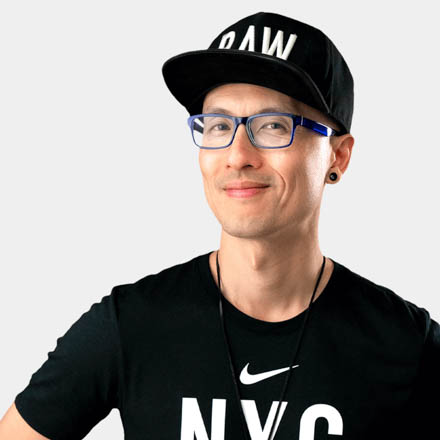
    Chris Do

    Chris Do

    Founder, The Futur™ · April 16, 2024

    The Fame Delusion

    Most people get it wrong. They mistake fame for brand. They see a public figure with millions of followers, a best-selling book, and a packed speaking schedule, and they assume that person has a powerful personal brand. The reality is far more complex.

    Consider Seth Godin. A prolific author of over 20 books, a celebrated marketing mind, and a daily blogger for more than a decade, Godin is undeniably famous. He is a respected thought leader who has graced some of the world's biggest stages. But according to The Futur’s founder, Chris Do, this does not automatically translate to a strong personal brand.

    Do poses a series of simple questions. “Is he married? What’s his wife’s name? Does he have children? What are his interests and hobbies outside of… marketing?”

    The answers are opaque. Outside of his subject matter expertise, very little is known about the man himself. This creates a critical distinction. Do we have a strong, irrational emotional connection to Seth Godin the person? For most, the answer is no. We admire his work, but we don’t feel we know him.

    This is the first clue in understanding what a personal brand truly is. It hinges on one core component: an irrational emotional bond with an audience.

    Now, run the same test on Gary Vaynerchuk. He is famous, a best-selling author, a coveted speaker, and the head of a massive business empire, VaynerX. He checks all the boxes Godin does, but with one crucial addition.

    Vaynerchuk has a powerful personal brand. The proof is in the premium. A person with a true personal brand can take an ordinary object and make it extraordinary simply by association. When Vaynerchuk launched Empathy Wines or his K-Swiss sneaker collaboration, people bought in. When he pioneered the NFT space with VeeFriends, a community formed around him.

    Do explains the acid test. “A t-shirt you can buy a pack of three for like a few bucks… you’re paying essentially for the raw material cost and assembly,” he says. “What brands are able to do is to charge a premium above and beyond the cost of goods sold. The higher that premium, the stronger the brand.”

    If Gary Vaynerchuk takes a bottle of wine that costs five dollars to produce and sells it for fifty-five, that fifty-dollar difference is the monetary value of his brand. It is pure, intangible influence. Could Godin do the same with “Seth Godin Kicks”? If the answer is no, then the distinction between expertise and brand becomes clear.

    Vaynerchuk built that bond by letting people in. He has a strong, unfiltered point of view. He takes a piece of information, runs it through the “Gary Vee filter,” and produces a message that is unmistakably his. This unique perspective, this willingness to be seen, creates the connection that allows him to command a premium.

    The Power of a Point of View

    To build a real personal brand, you cannot speak the way other people speak. You must develop a strong, unwavering point of view. This is where many creators and entrepreneurs falter. They tiptoe, hedge, and sand down their edges to avoid offending anyone.

    “Let’s not tiptoe into the pool of controversy,” Do challenges. “Let’s dive head first into it.”

    For a masterclass in this principle, look no further than the artist formerly known as Kanye West, now simply Ye. His personal brand is one of the most potent and volatile forces in modern culture. Using the same metrics of emotional bond and point of view, his brand strength is undeniable.

    First, does he have an irrational emotional bond with his audience? Absolutely. “Every time he does something, we all care,” Do notes. From the fallout with Adidas over his Yeezy line to the release of his album Vultures with Ty Dolla $ign, Ye captures and directs global attention at will. He lost his billionaire status after making antisemitic remarks, yet his influence persists. He is a constant fixture in tabloids, trade publications, and cultural conversations.

    “He has mastered personal branding because whatever he wants to talk about is what we’ll be talking about,” Do states. “That’s how powerful he is.”

    Second, does he have a clear point of view? It doesn’t get any clearer. Ye has unabashed, often conspiratorial, opinions on everything: media, fashion, race, and religion. He actively rejects mainstream thought, which makes him an intensely divisive figure.

    This is a critical lesson. Having a strong point of view means you will make enemies as surely as you make friends. Ye’s controversial statements cost him over a billion dollars in sponsorships, yet he remains unapologetic, secure in his financial independence and his convictions.

    He demonstrates that a personal brand isn't about being universally liked. It's about being intensely resonant with a specific group. This is a concept many aspiring leaders misunderstand, as explored in What Successful Personal Brands Do Differently. Most famous actors or musicians cannot simply endorse a tequila line or a coffee company and expect it to sell. They lack the specific, cultivated relationship with their audience that turns association into action.

    The separating factor is the wall. “Think about the wall that exists between you, your content, your beliefs, your values, your ideas, your message, your story, and your audience,” Do says. “How much will you let them in on that stuff will determine that connection that they have with you.”

    The Taylor Swift Standard

    If Kanye West represents the chaotic, divisive power of a personal brand, Taylor Swift represents its meticulous, masterful cultivation. She is the undisputed queen of building an irrational emotional bond. Her Eras Tour, a multi-billion-dollar cultural phenomenon, is a testament to this power.

    The statistics are staggering. Reports from her Seattle concert described fans jumping with such synchronized intensity that it registered on the Richter scale, producing a “Swift Quake.” As Do puts it, “You’re talking about seismic activity of personal brand literally felt. You can’t get no better than this.”

    This level of devotion isn't accidental. It's the result of decades of strategic and authentic work.

    First, there is undeniable talent. Swift is a gifted storyteller and songwriter, consistently producing catchy hooks and chart-topping hits. But talent alone is not enough. The key is how she has invited her audience into her story.

    “She’s brought you into her stories, her heartaches, her love stories,” Do explains. “And she is able to make women and men of all ages feel like she is their champion.” Despite being a global megastar, she projects an intimacy that makes each fan feel seen. On stage, she creates a space where they feel they can be themselves. This is the foundation of her bond.

    Furthermore, Swift has masterfully navigated controversy, turning potential career-killers into power moves. When Kanye West famously interrupted her 2009 VMA acceptance speech, she weathered the storm. More recently, when a dispute with her former record label prevented her from buying back her master recordings, she executed a brilliant counter-move. Her “Swedish Revenge,” as Do calls it, was to re-record her entire back catalog. These “Taylor’s Version” albums, buoyed by the fierce loyalty of her fans, became massive commercial successes, devaluing the original recordings she no longer owned.

    This was an unprecedented display of brand power. She leveraged the deep connection with her fans to reclaim her own artistic legacy. It is a story of struggle, resilience, and ultimate triumph, a narrative that only deepens her audience’s loyalty. The Eras Tour is the culmination of this journey, a three-hour celebration of the bond she has built, brick by brick, over her entire career.

    Swift exemplifies what it means to not just have fans, but to build a nation.

    The Anatomy of an Attractive Character

    Beneath the fame, the business acumen, and the cultural impact of figures like Vaynerchuk, West, and Swift, there are fundamental human traits that make them magnetic. These aren't about physical appearance, but about an inner quality that draws people in. Do identifies three essential traits that form the foundation of an attractive character.

    These traits are the access key to building a genuine emotional connection. Without them, even the most skilled expert remains at a distance from their audience.

    • High Self-Awareness & Self-Acceptance: This is a two-part equation. First, you must know who you are. Second, you must love all parts of yourself, both good and bad. Many people, celebrities included, have self-awareness but lack self-acceptance. They are aware of their flaws but fight to hide them, building a wall that keeps the audience out. True connection begins when you accept your whole self.
    • Self-Confidence: This is not arrogance. It is a fundamental belief in your skills and your process to solve problems. It is the quiet assurance that you can handle what comes your way. Do clarifies, “It’s not about having a high opinion of yourself or being arrogant or treating people poorly. It’s not about that at all.”
    • Vulnerability & Transparency: This is perhaps the most important trait. It is the willingness to let people in on your whole story. “You feel like they’re not going to keep anything away from you,” Do says. “There’s good things that happen in my life and there are bad things... I’m going to Dish both out to you in equal measure.” The opposite is a person who feels guarded and remote, like there’s no one home behind their eyes.

    This willingness to share struggles is a cornerstone of powerful storytelling. Do points to Pixar, arguably the most successful storytelling studio of all time, and their famous 22 Rules of Storytelling. The very first rule, originally penned by former storyboard artist Emma Coats, states: “You admire a character for trying more than for their successes.”

    This is why fictional characters like Bruce Wayne and Peter Parker are so enduringly relatable, while the nearly-invincible Superman often feels distant. We see ourselves in their struggles, their imperfections, and their humanity. They are dealing with problems just like us. Building a personal brand is about becoming a character people can see themselves in. As Do has discussed before, embracing your flaws is often the most direct path to connection, a principle detailed in Your Insecurity Is Your Brand.

    These traits are not about age, but about inner work. Some people find this clarity early in life, while others wander for decades without knowing who they are or what they stand for. Do references a powerful line from Frank Herbert's novel Dune, a line that has followed him for years: “The sleeper must awaken.”

    Too many of us are sleepwalking through life, unaware of ourselves and the world around us. We are self-conscious rather than self-aware. Self-consciousness is seeing yourself through your own eyes, worrying if you’re too loud or not smart enough. Self-awareness is perceiving yourself through the eyes of others, reading the room and understanding your impact.

    To awaken, one must begin the work of reflection. Do suggests a simple but profound practice: journaling. Catalog your ideas and experiences, then step back and review them. Are your perceptions of events aligned with how others saw them? This audit is the first step toward true self-awareness and, ultimately, self-acceptance.

    Blueprint for a Million-Dollar Brand

    Building a brand that connects on an emotional level is not a mystical art. It follows the same principles that storytellers have used for millennia to create characters we fall in love with. When a character in a great novel or film is hurt, we feel their pain. When they triumph, we feel their joy. This is because the creators understand the architecture of attachment.

    Do lays out four key components that form the narrative blueprint for a powerful personal brand. These are the pillars you must define to tell a story people will follow.

    1. The Origin Story

    Every compelling character has an origin story. This isn't just about where you were born; it’s about the forces that shaped you. It’s a combination of your past and a pivotal moment that changed everything.

    • Your Backstory: This is what Do calls your “cultural currency.” Your upbringing, your family, your environment. These elements shape your initial beliefs and values.
    • The Inciting Incident: This is the inflection point where the Ordinary World is rocked. It could be a car accident, the loss of a parent, getting into a university, or a major career failure. In the language of Joseph Campbell’s monomyth, this is the moment you “cross the threshold” into a new reality.
    • Ongoing Trials: No one solves a problem and lives happily ever after. The journey is a series of trials, relapses, and resurrections. It's the addict struggling to stay sober, the entrepreneur facing another setback. We fall, but we emerge a little bit stronger each time. This continuous struggle is the story of our lives.

    2. Community and Culture

    No hero succeeds alone. Your personal brand is shaped by the people who support you and the culture you build around yourself. This is your tribe, your village.

    This includes your mentors, coaches, teachers, and sidekicks. They help form your beliefs, values, and customs. They are the supporting cast in your story, the ones who challenge you, guide you, and hold you accountable. Identifying and celebrating this community reinforces your own identity and shows you are part of something larger than yourself.

    3. Defining Attributes

    This is about creating a recognizable and consistent identity. Think of the most enduring characters in pop culture, like superheroes. They are immediately identifiable through a collection of distinct attributes. The same principles apply to personal brands. This goes beyond just having a good logo; it's about building a holistic identity, a process similar to what's outlined in Personal Brand vs. Business Brand Strategy.

    • Your Credo and Lexicon: What do you believe? This can manifest as a catchphrase, like Simon Sinek’s “Start with Why.” It also includes the specific words and language you use to define your worldview.
    • Duality of Strengths and Vulnerabilities: As discussed, relatable characters are not perfect. They have immense strengths balanced by significant weaknesses. This texture makes them real.
    • Your Uniform: This is how you show up in the world. From your eyeglasses to your shoes, your wardrobe should be so consistent that someone can recognize your silhouette from thirty feet away. Do shares a personal anecdote of being recognized from behind in a cafe. That is the power of a uniform.
    • Sonic Branding: This is your signature sound. It's the quality, timbre, and energy of your voice. How you speak becomes as recognizable as how you look.

    4. The Enemy

    Finally, and most controversially, a strong personal brand must have an enemy. As Allan Dib writes in his book The One-Page Marketing Plan, identifying a common enemy is a powerful way to rally your tribe. Love and anger are two of the most potent emotional drivers.

    “If you think, ‘you know what, I’m Mr. Rogers, I don’t want to hurt anybody, I don’t want to say anything negative,’ then you don’t really truly have a strong personal brand,” Do argues. “Because we’re not rallying against the same things.”

    The enemy doesn't have to be a person. It can be an idea, an organization, or a system.

    • Label Your Enemy: Andrew Tate has “The Matrix.” Donald Trump has the “Lamestream Media.” Giving your enemy a name makes it a clear and tangible target.
    • Rally Around Hate: Trump’s success, Do suggests, comes not from telling people what he believes, but from telling them what “we” hate together. “If we hate enough things together, we can rally around that,” he explains.
    • Define Your Fight: Do identifies his own enemy: not education, but crippling student debt. “The problem is not the education part, it’s about how much it costs us to acquire some information for jobs that may or may not exist,” he states. This positions The Futur as a solution: “private art school without the crippling debt.” As soon as he says it, shots are fired. He has made his enemy clear, and in doing so, has made his brand’s mission clear.

    If you want to build a brand that matters, you must be willing to make some enemies. You have to stand for something, which means you must also stand against something else.

    This is the work. It is not about chasing fame or racking up followers. It is about deep introspection, radical transparency, and the courage to tell your whole story. It requires you to define your origin, your allies, your identity, and your enemy.

    It requires the sleeper to awaken.

    let's not tiptoe into the pool of controversy let's dive head first into it let's talk about the Yus himself does he have an emotional bond an irrational emotional bond with his audience in his community yes most definitely the power of influence that he has in directing capturing and leveraging attention that's one of the key components to having a personal brand he doesn't go along with a mainstream opinion which makes him a very divisive person okay so if you're picking up on all the clues that I'm giving let's put it together here I have some opinions about what a personal brand is and what it isn't and so I'd like to share some of my thoughts and see if you guys can track along with what I'm saying so if I ask you like what is a personal brand who has a really strong personal brand I think the tendency is for you to say famous people or people who have great influence in the world and then I ask you other questions about them and then it will start to unravel so let's try to like just break down systematically the things or the core components that you need to have a strong personal Brand number one is being famous a component of having a personal brand so let's examine famous people that we know or we think we know and then to ask ourselves do we really know who they are and the number one component that I keep coming back to is do we have a strong emotional connection a sense of known as person that we know the story that we can relate and identify with them such that we would be willing to go out of our way to buy their books to wait in line to see their movie or to attend a concert or Workshop that they're doing this is critical so the first person I think of is someone who's relatively famous who's a prolific content creator who is a well-respected thought leader and his name is Seth Goen Seth Goden has written over 22 books has written a blog post every single day for over a decade which is an incredible feat in itself I have great admiration for Seth Goden in fact we've had him as a podcast guest here on this channel the question is what do we know about Seth Goden outside of his subject matter expertise and the answer is very little I'll ask you a couple of questions is he married we think so what's his wife's name does he have children how many children does he have what are their names does he have a pet what are his interests and hobbies outside of observing things and writing about things that relate to Marketing in the 21st century then it becomes really opaque so Seth Goden arguably is a famous person is a sought after public figure who has lectured all over the world on some of the biggest stages in the world but the question I have for you is does he have a strong personal brand I think this is a good clue as to how we start thinking about personal Brands and why I think my perspective on this is so different than the vast majority of people who talk about having and building a personal brand let's take another person someone that you most likely know if you're watching this channel Gary vaynerchuk let's run him through the same test with Seth Goden is he famous certainly he is famous is Gary a thought leader has he published books is he a bestselling author is he a sought-after speaker and also have spoken on the biggest age of the world and I would say probably inarguably yes yes yes and yes and he has one additional thing as far as I know that might put him above a lot of other people he runs a large Enterprise a big business that does hundreds of millions of dollars in Revenue according to him does Gary vaynerchuk have a personal brand does he have this irrational emotional connection to you and I want you to pause and think about that for a second and then answer the question of why or why not and we can examine this together I think Gary has a very strong personal brand and it's going to give us our second clue he has a strong point of view on things so not only do you have to build a strong emotional connection which he has as evidenced by his collaboration with K Swiss with his launch of his nfts and anything else he's Hawking empathy wines because a person and you can test this who has a personal brand is able to take ordinary things and make them extraordinary by associating themselves with this this is really critical this is another test so by association with something that thing becomes more valuable and we we're going to borrow language from the corporate world here a t-shirt you can buy a pack of three for like a few bucks and if you're really 50 for not a whole lot but you can go to Target you can go to Costco and buy a pack of three h beefy te white t-shirts for probably 10 bucks for a pack of three maybe a little bit more than that so you're paying essentially for the raw material cost and assembly and the shipping that it takes to get it to the the market and some waste built into that you're not getting a lot above that what brands are able to do is to charge a premium above and beyond the cost of goods sold the higher that premium the stronger the brand so when Gary grabs a bottle of wine perhaps it cost him4 $5 to make he sells it for $55 you could say his brand or the premium that he adds to it is that $50 difference of intangible value and that's really really important so we we go back to Seth Goden so Seth Goden says hey here's a line of mugs here's a pair of shoes that I endorse and put my name on to the Seth Goen kicks does it command a higher premium for it if it doesn't then we're in trouble and what he's doing there Gary vaynerchuk is he's leveraging that emotional connection that you have with him I guess your desire to reciprocate the value in which you've received and you tell yourself you're supporting this artist this designer this creative this thought Leader by purchasing the things that they have endorsed or put their name behind really important he can take a piece of information and send it through the Gary vaynerchuk filter and then produce a message that in essence has the same meaning but sounds very much like a Viner ISM this is important and there's Goden isms too but this is one of those criteria so that what we can't do is we can't say things the way that other people say them and expect anyone to believe that there's any credibility that we have a personal brand we need to have a strong point of view let's not tiptoe into those pool of controversy let's dive head first into it let's talk about the genius himself the one and only yay we're talking about Kanye West here does he have a strong personal brand if we use the same metrics in which we've been looking at let's run it through and see how strong his personal brand is undoubtedly with the drop of vultures volume 1 and two his collab with Tai dollar sign his Fallout and rehab and then Fallout again with ADI Das and with the line of clothing and the shoes with Yeezy and his genius marketing plan let's kind of figure it out number one does he have an emotional bond in rational emotional bond with this audience in this community yes most definitely how do we know this how do we know that well because every time he does something we all care we care about it in the trades uh we see it in the tabloids we go to concerts we read articles about him we'll watch videos about him and there's this constant feed of Kanye West news he's lost his mind he's battling mental health he's in and out of relationships you know he's he's dabbling as some kind of o2 for with music and now with fashion so most definitely We Care there's a hyper sense of attention or focus on whatever Kanye does so clearly he has mastered personal branding because whatever he wants to talk about is what we'll be talking about that's how powerful he is put aside all the crazy stuff he said this we're not here to to judge whether or not what he's saying is is is good or bad it's just the power of influence that he has in directing capturing and leveraging attention that's one of the key components to having a personal brand does he have a strong POV clearly has emotional bond does he have a clear POV you can't get no clearer than this and I'm trying my best to speak proper English here because he has a conspiracy theory on everything about drugs about Jewish people about media about Adidas about holding back black people in slavery he has an opinion about everything and he doesn't he doesn't go along with a mainstream opinion which makes him a very divisive person so having a strong point of view means that you're going to make some friends but you also make some enemies along the way and to I think to a degree he has hurt his music part by saying I guess the relatively outlandish things that he's been saying I think he's lost over a billion dollars in sponsorships and brand deals because of the things he said about Jewish people it is seen as anti-semitic and so that's very very problematic in today's culture but he's okay with that he's accepted that I will say this I'm not going to apologize until you can challenge me with a better rational argument I'm going to believe what I'm going to believe because he has enough money now that he doesn't have to worry about this it's like it's good to be so rich you don't care if you get cancelled because it don't matter at the end of the day so I know what you're thinking Chris is talking about these celebrities so I guess it's unfair they're good-looking they're rich they're famous gosh and they have personal Brands too but here's the thing though in the world of people that are famous actors musicians uh designers whatever famous person you're thinking of Ash yourself if you have an emotional connection to them and there's a good chance that most of them do not add value to something by lending their endorsement or attachment or association with because there are a ton of actors out there that they can't sell a vodka line they can't sell a tequila line they can't raise money to start a coffee bean company or they don't move pairs of jeans if they just say like I'm associated with this because this is not how we see them and it's not the relationship we have with them so I think there's something that's going on here and it's the first thing that we need to kind of break down and I use that word very intentionally think about the wall that exists between you your content your beliefs your values your ideas your message your story and your audience how much will you let them in on that stuff will determine that connection that they have with you all right so naturally we have to talk about the queen bee herself here who am I talking about I'm not talking Beyonce I'm talking about Taylor Swift the AIS tour the most successful tour that's ever existed in the history of Tours multi-billion dollar Juggernaut and the stats are ridiculous people reporting that the swifties were shaking The Ground by jumping up and down that it registered on the RoR scale I mean you're talking about seismic activity of personal brand literally felt you can't get no better than this this is ridiculous levels of personal branding she's done a lot of beautiful things in order for her to achieve this kind of status now first of all I think there is undeniable Talent there a gift for storytelling for writing hooks that are catchy and being able to consistently produce chart topping singles what I saw in the era tour which is a 3-hour long concert film is someone who's a master at their craft she's brought you into her stories or heartaches her love stories and she is able to make women and men of all ages feel like she is their Champion that she creates space for them to be them and she invites you in on this thing that despite being a globe trotting Mega Superstar at the highest order she still gets down on one knee and looks at you and ey and says thanks for being here you mean so much to make that is super powerful and I think in terms of like the way that she designs her personal brand I would challenge you to find someone else who's playing at that level to the way in which Taylor Swift is doing it we've seen her go through all the controversial things from Kanye West stepping in and saying Beyonce should have won the Grammy and dealing with that and the latest controversy that I I think is just a brilliant genius business move in that she tried to buy back her catalog but people prevented her from doing this the Swedish Revenge was she re-recorded all of her songs and because of the strength and connection she has with her fans now that is selling like crazy and she's done such a power move by being able to do this in an unprecedented way re-recording remastering all of her songs so now you have a choice to choose to listen to her version of it or the label version of it which she doesn't have access to and this culminates in this beautiful moment that she launches into AAS tour which is a three-hour long concert that is doing billions of dollars that is quite literally shaking up the world before I get into the tactics on how we do this cuz I'm dropping Clues if you're paying careful attention you'll start to see a pattern happening here okay so if you're picking up on all the clues that I'm giving let's put it together here I think there are three essential traits that make for a very attractive character not in physicality but attractiveness like we're drawn to them like magnets were just drawn to them or as they say Moths To The Flame number number one is they have high self-awareness and on top of that they have high self-acceptance so they need to know who they are and to love the parts about them that are both good and bad the problem with some celebrities is they have selfawareness but they don't have self-acceptance they're fighting that so they're they're building a barrier that wall that keep us away from them they don't want us in there it's a close cousin but number two is this idea of self-confidence and self-confidence is not what you think it is self-confidence is a belief in your skills to solve a problem you have a process and way of looking at the world that you know you can solve most problems it's not about having a high opinion of yourself or being arrogant or treating people poorly it's not about that at all and number three probably the most important of all which is a theme you're going to see here is a degree of vulnerability you feel like they're not going to keep anything away from you so there's another word for vulnerability it's called transparency there's good things that happen in my life and there are bad things that happen in my life I'm going to Dish both out to you in equal measure so you know what's going on the opposite of which is like you're some kind of sociopath where we can see that there's a person behind the eyes but they feel dead to us like we don't understand so you need to know this if you want to build a strong personal brand the way that I'm talking about here you have to be willing to let people in into those low moments as well as the high moments we have to dance with both now I'm going to point out something here we might have mentioned in this previous video but Pixar has this rule it's the 22 rules of storytelling and they're the most successful Studio of all time with multi-million multi-billion dollar hits and they're 22 rules of Storytelling guess what rule number one is rule number one is that people admire characters more for their struggles and their failures than they do for their success this is why it's important to have a character that is working through their problems is not perfect and I think this is why characters like Superman are not relatable but characters like Bruce Wayne and Peter Parker are highly Rel we can see ourselves in some small way in these characters cuz they're just dealing with problems just like us if self-confidence selfawareness and self-acceptance and vulnerability transparency are the most important components that I'm saying about becoming an attractive character these are things you're going to have to Define in yourself if you want if you want to have a shot at developing your personal Brand This is not easy work this is the work of a lifetime and I do want to say this this is not an indicator of age cuz there are are some people who are very young like chronologically speaking maybe even in their teens who have high self-awareness high self acceptance and I can't explain how they're able to come to this place and then they conversely people that are much older in their 50s and 60s who are still wandering the Earth not knowing who they are not knowing what their beliefs are and what they stand for they haven't done that work I can't explain why but it's not an indicator of age and there's this great line because Dune is happening right there's a line from Dune that has followed me since I was first introduced to Frank Herbert's work which is this line it's very important the sleeper must awaken and we think it's a lesson from um Paul's father Duke Le trades at least it was portrayed portrayed that way in the David Lynch version but in Denny's version it's like his mom repeating this lines the sleeper must awaken and I think that's such a powerful line that I think and you've heard me say this before we're all just sleepwalking through life we're not really aware and awake in the present moment and it's a wild thing because I asked people what' you do today did you notice this thing that just happened across the street and I I do this with my children I do this with my wife I do this with my friends they like what are you talking about they're not noticing things they're not paying attention to what's going on and I think they're just sleepwalking through life so the sleeper must awaken how do you awaken I was having a debate with one of my friends uh who thought they had high self-awareness when actually they were really high on self-conscious and there's a difference between self-conscious and self-awareness okay allow me to enter this into the debate when you're self-conscious you're thinking about yourself through the lens of yourself like am I being too loud am am I important am I beautiful am I ugly right now but self-awareness is being able to perceive yourself from the eyes of other people so when somebody says I have low self-awareness it means that you're talking but no one's interested but you just keep talking more and more you're you're not reading the audience you think you're funny charming and you're telling captivating stories but they're all falling asleep but you can't see that so you keep going like the opposite of this is people who are on the Spectrum like one of the guys that used to work for me he's a cinematographer he would literally walk in front of the crowd block the Bandon take the shot and not feel any sense of the heat that most of us would feel which would cause us to sweat he had low self-awareness how do we develop this well we can be more observant and ask people what they're thinking and feeling and we have to be able to pick up on some of the social cues that most of us are able to develop I guess in the neurotypical space can develop if you're neurod Divergent it's going to be a little bit harder but you can learn these skills as well what comes natural to people may just require a little bit more effort from you to to be able to figure this part out so when you have high self-awareness you know how you're coming across to people and you have to make certain decisions like am I okay with this knowing that sometimes I say things that can be a little bit abrasive am I okay with that and that's the next step it's because I think one of the most attractive things that a person can have outside of self-confidence is high self-acceptance do I love me for being me now I'll tell you this I was reading a book by Brian Tracy the psychology of Sals and he says one of the most important discoveries of 20th century in Psychology was the development of this concept called the self-concept who am I and what makes me me this is a tricky thing because we can spend most of our Lives not knowing who we are because we haven't taken the time to reflect on the things that we think about we just experience life without reflection and this is a really important component of it so one thing that you can do is you can probably to start journaling to start making a habit of cataloging your ideas and your experiences and then taking a break and then looking back on what you wrote two 3 weeks ago and asking yourself if those things are true is this how other people saw you or is this you leaving your own head I think that's an important first step is to be able to start to audit record and reflect on your thoughts on a daily basis they're going to be people who are born with this natural innate talent in understanding who they are who are full of self- Lov maybe they're raised a certain way but that doesn't mean that the rest of us ugly short people are just s so they don't mean that so what I've noticed is that if we study things from literature especially in fiction there are certain commonalities certain patterns that exist that allow us to fall in love with characters just think about this when we read a book a novel a work of fiction or when we watch a movie or TV show when the character is harmed we feel hurt ourselves when they're hurt emotionally we feel great sorrow for them and how is this it's because the authors the people who create these universes these narratives that we're immersed in understand how to create characters for us to fall in love with them for us to Care otherwise we would have read their books watched their shows or sat in a theater in a darken room to kind of be taken on a journey I find that there are four key components we won't have time to go through all of them in this video but let me outline for you what they are and we'll go deep into one of them number one every compelling character has an origin story this is really important and the origin story has some key components your backstory where you're born basically it's called your cultural currency they say a lot about you and who you are your beliefs and and your values they may not be true but it's what the world accepts from you and then in the origin story there's this moment an inflection point an inciting incident in their life that everything changes there's the Ordinary World that happens before if something happens to rock their world it's a car accident losing of a parent getting accepted to University being adopted something happens that radically transforms their lives and they're a whole different person it's called crossing the threshold if you're fan of Joseph Campbell and the hero's journey the mono myth and lastly there are the ongoing trials and tribulations because no one in the real world has a solution and never falls back it's like the drug addict who continues to struggle with remaining sober it's the gambling addict who struggles with not gambling again so it's referred to in the hero's journey as the relapse and the resurrection well how we fall back but we emerge a little bit stronger and that's the story for the rest of our lives you don't ever once you're an alcoholic you never become not an alcoholic you just learn to live with it now number two which is community and culture the people who support you your tribes people your village this includes your Mentor coaches your teacher Sidekicks that help you to form your beliefs your values and your Customs number three the defining attributes of who you are and your personal brand so if we look into the world of fiction I'm not going to miss on this opportunity to talk about comic books and pop culture if you think of the most enduring characters the ones that have lasted decades long from your father's father to your father to you and to your children we think of superheroes and we think of like what what is it that they have well they have a CREDO the things that they believe sometimes referred to in the modern era as a catchphrase like Simon cnic start with why or Leaders Eat Last he has so many of them people don't buy what you do they buy why you do the characters have a duality of both strengths and vulnerabilities almost in equal measure so the characters that are really relatable as we've talked about in real life have a lot of vulnerabilities things that they know aren't perfect about them and those things make the character more complete more textured and more real and we can then see ourselves in their story as opposed to at an arms length like easy for them to say I cannot relate to you they also have a way of showing up this is their uniform the colors that they wear the symbols and the iconography that make them who they are are the lexicons that Define them Superman if you see the red cape if you see that Curly qua up front if you see Batman's just his jawline or his ears you know it's him it's makes him who he is and you can think well yeah in the world of superheroes that's pretty easy to do but you know I just had this happen to me literally today I'm sitting at a cafe I'm talking to my friend who's a professional speaker and somebody comes walking around I don't notice them until they walk right up to me and like hey are you Christo I'm like yeah and he says you know what I was sitting behind you and from the back I can recognize it's you I'm like that's pretty powerful then right you want to be able to develop your uniform your wardrobe basically how you look from your eyeglasses to your hat to your shoes such that someone can recognize who you are purely based on your silhouette or from 30 feet away they know it's you so part of this is your voice the quality the timber of your voice the tone how you speak how much energy you have transmit a signal to the world but also create what they call Sonic branding it's your signature sound it's your signature look okay and lastly it's the enemy so we have a community and culture that supports us we must be able to have an enemy Alan dib writes about this in his book the one-page marketing plan he says we have to identify the enemy in common it's like things that we hate we hate bureaucracy we hate waste we hate pollution we hate selfish people so if you can Iden this and I've mentioned before in my Adobe Max talk on personal branding I said Andrew Tate has an enemy and the enemy he labels as the Matrix Donald Trump has an enemy Lam stream media you notice what they're doing here they're labeling their enemies you're calling it something so there's a reason why I think Donald Trump is so successful in their modern political era is because he doesn't have to tell you what he believes in he just needs to tell you that we hate these things together if we hate enough things together we can rally around that so anger as well as love are two powerful emotional drivers to building your tribe so when we think you know what I'm Mr Rogers I don't want to hurt anybody I don't want to say anything negative then you don't really truly have a strong personal brand because we're not rallying against same things so the enemy can be your Nemesis the one person who represents the equal opposite version of you then there are people organizations and ideas that you're against and the big bigger the cast of characters the more people that you're trying to take down the more that we have in common the enemy in common the more powerful your personal brand is on a personal level people ask me this all the time they say Chris you're anti-education I said no I'm anti- crippling student debt I'm all for Education the problem is not the education part it's about how much it costs us to acquire some information for jobs that may or may not exist in structures that don't accom for individual learning styles that are atypical I have a problem with that and that is my enemy so that's why we see the future is like private art school without the crippling debt as soon as I say that shots are fired and I'm okay with making some enemies and you need to as well just to recap there are four key components with sub components but the four key components are your origin story the community and the culture that support you your defining attributes which includes your lexicons and icons and then the enemy oh the enemy I want to make these other videos but I want to make sure that you're enjoying this video and getting value from it and that we're not talking to the best I'm going to ask you to do two very specific things first pause like this video drop a comment so it's good for the algorithm so more people can see it apparently that's how YouTube works and number two copy the link send this to someone you know and care about who needs to see this video and tell them why they should watch this because that would do tremendous things for our Channel within the constraints of a video not to to fry your brains and make you bleed out of your eyeballs I'm going to go over the four key components to building a strong personal brand and in subsequent videos If so willing we'll go do a deep dive on each one of these four core components so now you know the four essential components to building a personal brand that connects with people and it relates to all the things we talked about before about celebrities or famous people or authors or influencers that we like and have built an emotional bond withd they have high self-awareness self-acceptance self-confidence they're willing to share publicly transparently the vulnerable things so the highs and the lows and I want you to do something pay attention now to the people that you see look up and admire and the ones that you feel a connection to and run the test with me to see if it holds true and let me know in the comments if you're like hey I found somebody that where this isn't true or I found someone where this is absolutely freaking true keep me honest and accountable thank you until next time see you in the future
    Download transcript

    Enjoyed this? There’s more where it came from.

    Get insights on creativity, business, and design from The Futur.

    You can unsubscribe anytime. By submitting, you agree to receive communications and to our Privacy Policy.

    You have to be willing to let people in into those low moments.

    Chris Do

    Length
    28m
    Views
    121,346

    Share