Skip to content
    42m 12 min read 8,385

    Authenticity & Thought Leadership in the Age of AI

    Chris Do explains why AI is not a threat to authentic creators, but a tool that amplifies taste, curiosity, and critical thinking.
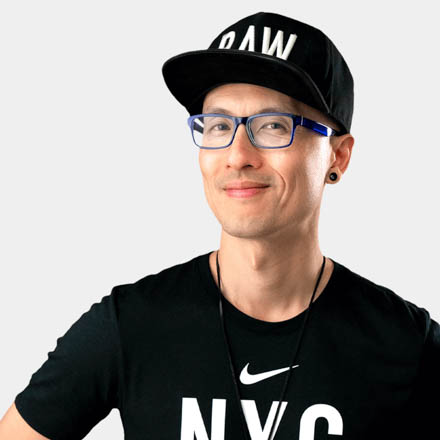
    Chris Do

    Chris Do

    Founder, The Futur™ · April 10, 2024

    The Milli Vanilli Effect

    There is a growing fear that AI will expose you. Not as a luddite, but as a fraud.

    It’s a modern anxiety with a retro soundtrack. In a conversation with Alistair McDermot, Chris Do calls this the Milli Vanilli effect. The term references the infamous late-80s pop duo who were stripped of their Grammy after it was revealed they didn't sing a single note on their album. They were the face, not the voice.

    “You're just the front person, you really didn't do any of this, and you're taking all the credit,” Do explains. “That's problematic.”

    This is the core tension for any creator today. You publish a brilliant, 300-page report generated almost entirely by a machine. It sounds perfect. It looks perfect. Then you are invited to speak, and you can barely string three coherent sentences together.

    The mask comes off. The music stops.

    This risk is amplified by the dilution of terms like “thought leader.” A phrase once reserved for intellectuals and culture-movers who dedicated their lives to research and reflection is now applied loosely to anyone with a following. Do points to author Seth Godin, who has written over 20 books and a daily blog for more than a decade, as the old-school standard. Godin is someone “contemplating, reflecting, observing life, and packaging it in bite-sized pieces of information for you to consume.”

    The modern internet version is often just someone who creates videos online. While influence is real, the depth of thought can be shallow. AI tempts us to make it even shallower, to prioritize the output over the process.

    The problem is not the tool. It's the intent. If you use AI to pretend you are something you are not, you are building a brand on a foundation of sand. You will refuse the speaking gigs. You will avoid the live Q&A. You will live in fear of being exposed.

    Authenticity, Do argues, is the only long-term defense. It is not about refusing to use new tools. It is about ensuring the ideas, the core message, and the final judgment remain fundamentally yours.

    Everything is a Remix, Even You

    The panic over AI and originality ignores a fundamental truth about creativity: nothing comes from nowhere.

    Your ideas are a reflection of your life experiences. They are a composite of your mentors, rivals, parents, and friends. They are shaped by the books you have read, the films you have watched, and the art you have consumed.

    “You're regurgitating that, reprocessing it,” Do says. He references Kirby Ferguson’s seminal documentary series, Everything is a Remix, which argues that all creative work builds upon what came before through the processes of copying, transforming, and combining.

    The issue is not borrowing. The issue is attribution and obviousness.

    Do recalls the infamous lawsuit against Vanilla Ice for his song “Ice Ice Baby,” which used the bassline from Queen and David Bowie’s “Under Pressure.” The defense that it was “totally different” fell apart because the melody was too clear, the source too recognizable. “It's when we recognize the notes and the harmonies and the melodies too clearly that we're like, wait a minute,” Do notes.

    This is the same challenge creators have always faced, long before AI. In academic writing, you cite sources in footnotes. In modern writing, you reference works and authors in the text. In conversation, it gets more difficult. Do admits he wrestles with this when preparing keynotes.

    • “I know most if not all the ideas that I'm sharing come from some other source.”
    • “I'm not conducting the field studies.”
    • “I'm not doing the deep analytical dives using data that I'm crunching.”
    • “Most of us do not do that. So we're citing other people who've cited other people.”

    What, then, is authorship? Do suggests it is the curation and assembly of existing ideas. “The only thing I can claim is that I've assembled in a very specific sequence. I didn't play the instruments, I didn't write the notes, but I'm assembling in a certain way. And I think it's okay.”

    If we accept this model for human creativity, then AI simply becomes another source. It is referencing its own source material. The ethical obligation is to direct it to cite those sources and to be transparent about your role in the process. Your contribution is no longer just the writing; it is the direction, the refinement, and the synthesis of what the machine produces. The human is the editor, the curator, the artist in charge. This is a framework for thinking that Do explores often, including in his sessions on how to build content people actually react to.

    The Line Between Tool and Crutch

    The question of credit is where the debate gets tangled. We do not credit Microsoft Word for its grammar checker, a feature it has had since 1997. We do not credit Grammarly for restructuring our sentences. We do not credit Adobe Photoshop for its AI-powered masking tools.

    “We don't do that because it just becomes part of accepted workflow when we see utility,” Do argues.

    The difference lies in the ratio of human input to machine output. With a grammar checker, the human provides 98% of the input, and the machine provides 2% of the output. The core ideas and structure are yours. The machine is simply polishing according to established rules.

    The problem arises when that ratio flips.

    “Some kid who doesn't even know how to write, who doesn't have an idea, can say, ‘Oh, write a story about X,’” Do explains. “So the input is like 0.1% and the output is 99.9%. And then to say ‘written by Joe Smith’... problematic here.”

    This is the distinction between a tool and a crutch. A tool enhances your existing skill. A crutch replaces it. If you use AI because you are unwilling to learn a skill, you are not growing. The product may improve, but the creator stagnates.

    Do delivers the core principle with a sharp analogy. “You can't hire people to do push-ups for you.”

    You can hire a ghostwriter to write your book, a practice common in sports and business. You can use an app to dictate your thoughts on a long drive and have AI turn it into a blog post. But where is the line?

    For Do, it comes down to personal integrity. “The best thing that we can all do is to make sure we're checking in with our values so that we don't have the guilt or shame of saying, ‘Yeah, I did something I did not do.’”

    The cultural norms are still shifting. Just as Auto-Tune went from a secret pitch-correction tool frowned upon by purists to a trendy, stylistic effect embraced by top artists, our perception of AI will evolve. Some will refuse it. Others will build their entire aesthetic around its synthetic quality. The key is to make a conscious choice, one that aligns with your brand and your principles, a topic Do has covered in depth when discussing how to stop building a fake personal brand.

    “Each person gets to decide what that really means,” Do concludes. It is your brand because you chose it.

    The Art of the Prompt

    So, how should a creator actually use AI? Do admits he is not using it enough but sees its power as a partner in collaboration.

    He wants to spend his time on high-level strategic thinking. “What's going to communicate the message of this thumbnail? What's going to communicate the idea that there's urgency behind this offer? That's what I want to work on.” Everything else, he says, is production work he wants AI to handle.

    His current workflow includes several distinct applications:

    • Image Generation and Editing: Using tools like Adobe Firefly’s Generative Fill to expand backgrounds or fix assets. Instead of spending hours on tedious retouching, he can focus on the core concept.
    • Creative Brainstorming: Using AI as a sounding board. For example, he might ask it: “What are commonly accepted symbols or analogs to the idea of wealth or value that might be relevant to people who have a high school level education in America?” This provides a starting point for visual concepts beyond the obvious clichés.
    • Content Repurposing: Summarizing long video files. Instead of re-watching a two-hour recording, he asks an AI to transcribe it and identify the most salient points. This helps him quickly generate titles, descriptions, and promotional clips.

    The true skill, however, is not in the asking. It is in the anlaysis and the direction. You have to discern good answers from bad ones. You have to use taste and judgment. This is where AI literacy becomes a critical competency. It’s not just about using the tool; it’s about knowing how to guide it.

    Do stresses the importance of high-quality input. “Garbage in, at least for now, garbage out,” he states. A vague prompt like “make something great” will yield a generic result. A specific prompt changes the game.

    He provides an example: “Make something that appeals to children, boys and girls between the age of seven and eleven, who are interested in fairy tales and have some kind of rebirth concept in it. With these kinds of parameters, write it this way, make sure it rhymes, and make it into a 16-page book that can be friendly for illustration.”

    That is not a lazy request. That is art direction. The ability to give clear, persuasive, and detailed instructions is the skill that separates a novice from an expert AI user, an idea central to effective communication in any field, including the art of asking better questions.

    Thinking is writing, and writing is thinking. The better you can articulate your ideas to a human, the better you can articulate them to a machine.

    It's Not Copying, It's Deconstruction

    One of the biggest obstacles for artists adopting AI is the belief that image generation models are engaging in digital plagiarism, stitching together a collage of stolen art. The reality, Do explains, is far more complex and interesting.

    He compares it to the “clean room” reverse-engineering process used in the 1990s by companies like AMD to create computer chips compatible with Intel’s without violating patents. They would have one team analyze the Intel chip and describe its function to a second team in a separate room. This second team, who had never seen the original chip, would then build a new one based only on the description. They were replicating the functionality, not copying the design.

    AI image generation works on a similar principle of abstraction. Through a process called diffusion, it does the following:

    1. It takes source images and blurs them into unrecognizable noise.
    2. It then trains itself to find patterns in that noise, guessing what it might represent: an eye, a face, a tree.
    3. It refines this process over and over, learning the concept of a thing, not memorizing a specific instance of it.

    “The AI itself has not seen this thing,” Do explains. “It's being described this thing by another party and it's feeding itself.” This is why early AI struggled with hands and text; when blurred into noise, they are indistinct blobs with no clear conceptual pattern.

    This process of democratization through technology is not new. Do reminds his audience of a time before the Canon 5D Mark II, a DSLR camera that revolutionized independent film by making high-quality, shallow-depth-of-field video accessible. Before that, achieving a cinematic look required renting expensive 35mm film cameras and dealing with a costly development process. When the tools were democratized, a lot of bad films were made. But great artists also got their hands on tools they could never have afforded before, and the entire industry changed.

    “You having digital tools doesn't make you an artist,” Do insists. “It's the artist that makes the art, not the art or not the brush or the canvas.”

    His point is clear: we are too focused on the tool and not on the art. The real work is in the vision, the message, and the ability to connect disparate ideas. AI is just a production method. If you love the physical production of painting or letterpress, keep doing it. There will always be a market for artisanal craft. But for those whose work is image-making and idea-spreading, complaining about the new tools will change nothing.

    The Advantage of the True Creative

    If the tools are democratized and available to everyone from an accountant to a lawyer, how does a professional creative compete? This is the central fear for many artists.

    Do’s response is a direct challenge: “If you can't use the same tools that they can use and the non-creatives are creating better art than you, I think we have a real problem here.”

    The solution is not to cling to old tools. It is to raise the bar. The true differentiator is not your technical skill with a particular software but the very things a machine cannot replicate. These are the human skills that become more valuable, not less, in the age of AI.

    These skills include:

    • Taste: The ability to know what looks, sounds, and feels good. This is a refined sense of judgment built over years of exposure and practice. AI has no taste.
    • Curation: The ability to select, organize, and present information in a compelling way. This is the work of an editor, a DJ, and a museum curator.
    • Articulation: The ability to speak and write persuasively, to articulate a vision so clearly that you can direct people or machines to help you realize it.
    • Deep Knowledge: A rich reference point of art history, culture, and science. Someone with a humanities degree who understands artistic periods and cultural movements can prompt an AI with a specificity and nuance that a casual user cannot possibly match. They can ask for new combinations that have never existed before.

    This is the unfair advantage of the true creative. Your mind, your experience, and your unique point of view are the assets. AI is just the paintbrush. The critical skill for the 21st century, Do has said even before the rise of generative AI, is the ability to articulate ideas. Developing a strong authentic personal brand is now more important than ever.

    Stop focusing on the tool. Start focusing on the art. What do you want to say about the world? How do you want to change someone’s point of view? That is the work.

    Choose Love Over Fear

    There are valid reasons to be afraid of AI. But Do urges creators to weigh two different kinds of fear.

    He cites entrepreneur Daniel Priestley, who believes AI will be the biggest economic driver of our lifetime, creating a new generation of millionaires and billionaires. The distribution of that wealth, however, will be highly uneven. Do asks a piercing question: “I don't want to be the person when my children are adults and they're like, ‘Dad, there were all these millionaires and billionaires who were created. What were you doing and thinking and feeling about AI?’”

    He recalls a creative director who, in the early days of Facebook, dismissed it as a fad she was too righteous to follow. For a decade, she was asleep at the wheel, only to become a frequent user years later, a Johnny-come-lately to a platform that had already reshaped culture.

    The fear of the unknown is powerful. But it can be overcome.

    Do shares a concept from the book Conversations with God that his wife was reading: there are only two true emotions, love and fear. Anger, jealousy, and envy are all manifestations of fear: fear of losing a connection, fear of being inadequate, fear of being left behind.

    “If I have to decide how I want to live my life,” Do says, “I don't want to live a day in fear. I want to live the rest of my life in love.”

    He frames the ultimate choice for every creative professional. Which fear is greater?

    The fear of AI?

    Or the fear of not living up to your potential? The fear of missing the single greatest economic and creative shift of our time?

    Ask yourself that question. And choose love.

    I have a super guest to talk with you today about AI thought leadership and content creation and this guest is somebody who I've been following online for quite a long time we were just talking before the stream when I started following him on YouTube he was somewhere between 200 and 400,000 followers uh we just checked today it's 2.41 million followers on YouTube so I think that by any stretch of imagination this person is a true thought leader that's coming next welcome to the AI powered thought leader this is the show that helps thought leaders and aspiring thought leaders to explore the challenges and contradictions that occur at the intersection of AI and authentic thought leadership here is your host Alistair [Music] McDermot and today I'm very happy to have Chris doe from the future on the show Chris you're very welcome hi Alistair I'm wearing my black uh baseball cap in out of respect for you uh so uh today we're going to talk about Ai and thought leadership and I think this is an interesting kind of intersection because thought leadership is supposed to be about people who are leading with their thinking but the AI is now doing a lot of the work involved in thinking can you tell me how you think about thought leadership about thinking about use of AI in in kind of creating Pursuits particularly when it comes to uh you know what we're supposed to be doing in terms of the thinking do we need the human now just why don't you start off with an easy question just a nice softball warm-up question huh okay there's a couple different things that I want to talk about and break down your question in some components first is like what is thought leadership and we kind of use this term a lot now and it's a a term that makes a lot of people cringe a little bit like what do you mean thought leadership you can lead people in thought but let's just take it old school um people who are intellectuals writers poets uh people who move culture uh moved ideas through ART or through literature through through information and entertainment and we can think of somebody like Seth Goden who I looks who I look up to a lot who's written over I think 20 books very prolific writer writes a daily blog for over 10 plus years now I would consider him a thought leader someone who is contemplating reflecting observing life and packaging it in bite-sized pieces of information for you to consume for you to better understand the world so they're doing the thinking for you the researching the writing the reflecting comparison and contrast the syntopical reading so they do that in the modern era thought leadership is a little bit used a little too bit Loosely where someone who creates videos on the internet like myself who says a few things who has a following all of a sudden they're a thought leader I just want to be careful how we use that term so I'll park it there and see if you have any Reflections or uh yes but yeah you know U my my other show that you've also featured on is called the recognized Authority and actually that's the name of my brand because I'm interested in how people build Authority and become known as an authority like you have done and I kind of shied away from the term thought leader until I thought about this intersection with AI because I think that thought leader is one of those terms is a little bit kind of it it's a little bit kind of self-promoting as as a term if people use it about themselves in particular and it sounds a bit high brow but I think that it is actually a real thing and it is a little bit provocative when we talking about AI to think about thought leadership because it's just one of those things where actually that was the comments people got about this show when I call it the AI power thought leader as one person just replied provocative so I know that this is an area where there is some conflict but I think it's really interesting when when we think about how much work that in particular stuff like that that is known to be thought leadership like writing like a a groundbreaking book in an industry or something like that and now how much of the actual grunt work in that can be done by these AI tools and and then can we then claim credit for authorship can we claim credit for the thinking in there particularly if we use these tools and that's that's what I'm trying to dig into here and I'm interested in in your take on this okay if we look at just I think it's easier for us to talk about this if we look at traditional models because most people understand them they've been around a long enough and we kind of conform a thought and opinion about that and then we could Bridge it to AI when you're writing something especially in Academia you realize it's mostly research that you you might read published reports or things that are only available to academics and there's a riger to it where you're supposed to site sources and so you'll see in the footnotes quite often subscript or superscript number one two 3 four there's citing sources all the time and they'll reference people but reading books like that can be overwhelming because if you read the part and you read the the the the how they site things in the footnotes it can be overwhelming because now you're like trying to keep track of so many different things so more contemporary writing tends to cite sources but it's not into the bibliography where they reference everything they'll they'll make mention of it and this is very important because we don't want to be accused of plagiarism where we borrow parts or rephrase ideas and we don't site those sources in conversation becomes much more difficult I wrestle with this all the time when I'm doing a keynote presentation where I know most if not all the ideas that I'm sharing come from some other source CU I'm not conducting the field studies I'm not doing the Deep analytical Dives using data that I'm crunching most of us do not do that so we're citing other people whove cited other people and I think as long as we do this we're okay and my authorship the only thing I can claim is that I've assembled in a very specific sequence I didn't play the instruments I didn't write the notes but I'm assembling in a certain way and I think it's okay and it generally it's accepted so if we're okay with that then we have to kind of think about like where AI comes in so if if you publish something that's mostly gener generated via ai ai is referencing Source material so you should instructed to always site Source material wherever possible and to include links so you're doing what you're supposed to do from Decades of us doing this and then when you publish something I think it's kind of important for authenticity and whether or not people can trust you long term is how much of this you wrote or is it you directing AI to write it for you because then gets into this whole I think we're faking it I think we're pretending to be something that we're not and this is problematic so let me give you the worst case scenario you you write and publish a beautiful report it's a 300 page report and it's it's beautiful everything about it sounds perfect and then they invite you go speak and they realize you can barely string together two or three coherent sentences so now there's this kind of component of like inauthenticity and fraud that I think you're going to be struggling with and then you'll refuse those talks because you know you're going to be exposed maybe we'll call this the Millie Vanilli effect right you're just the front person you really didn't do any of this and you're taking all the credit that's problematic I think yeah I agree and you're you're actually not the first person we've only I think this is episode six but we already have had people reference Millie vanil already um I think that will really really uh hits people um so I think that like the really interesting thing is like where exactly is the line because for example I use some tools when I'm driving sometimes I I do a cross country drive here in Ireland doesn't take that long because not a big country but I'm driving for two three four hours and I'm recording dictating uh into my uh Oto or something like that as an app and then I take that and I I process that with AI and I ask it to turn that into a blog post or a series of blog posts and so I've given it the majority of the input that it's working with it still may need to you know Source some ideas or connecting ideas or it might you know it it fixes all the spelling and the grammar so is that AI created is that a you know is that AI assistance where is the line there for you I think this is going to be a conversation that we're having more and more in the coming years and decades I believe and I think culture moves and it moves for for the better I think because not that long ago I I think women didn't have rights uh people owned people as property and so the culture moves and so we have to kind of get familiar with new ideas and the new idea right now is is if you have a virtual assistant like a real human or an artificial intelligence assistant how often are you citing their work and this becomes kind of like dependent on each person and their moral compass I mean I know a lot of people who work with virtual assistants in executive assistants are they always saying well Sarah or Bobby or Kenny did this part they checked for spelling errors and grammar and they were English major you you probably don't we we can probably say like the core ideas come from you they refor formatted for different consumption grammar spelling structure those kinds of things but the core ideas came from you the bigger question I think that very few people are asking is while you're driving where do those ideas come from now we think we're driving so we're tapping into The Ether but really you are just a reflection of all your life experiences from your parents from your friends colleagues mentors coaches Rivals from the books you've read from the videos you've watched from the movies you've consumed you're regurgitating that reprocessing it so Kirby Ferguson talks about this everything is a remix it's when we recognize the notes and the harmonies and The Melodies too clearly that we like wait a minute are you saying you wrote that Melody like how Vanilla Ice sorry second reference it's like no this is totally different this is not Bowie and queen's Under Pressure really it sure sounds exactly like it you know even when you try to explain it to be different it's not and I think the best thing that we can all do is to make sure we're checking in with our value so that we don't have the guilt or shame of saying like yeah I did something I did not do I'm taking credit for I don't think very few very many people feel great about that they know they're doing something wrong they're just trying to get away with it for a period of time yeah you know this whole area of giving credit is is really interesting because uh Microsoft brought the grammar checker into Microsoft Word in 1997 and I don't think I've ever seen anybody give credit to Microsoft Word for grammar checking their work but now people are talking about well if you use AI we need to give credit to the AI and and possibly to the to the people whose data the AI was was trained on which gets into a whole other world of of of hurt and um you know intellectual property issues but this idea of credit is is is super interesting because there's so many different levels that we can go to because we can have like we can have an original work and and and I I think that you've done something like this I've taken I've got a few books up on Amazon I've got five books on Amazon I took those and I put them into chat GPT and I made a custom GPT just for me uh I took some of my blog post I exported my RSS feed from my website and I pull all of that into a uh into a single uh GPT custom GPT on on chat GPT and I asked it to write blog post for me on a certain topic and everything that's gone in there is stuff that I've created and I own the copyright too but it's also using the the data set that it's been trained on as well and and so when it IT generates a blog post or or whatever it creates for me it does sound like me it has my opinions and it's actually pretty good it's it's you know I'd give it a I'd give it a B minus probably um it's not quite good enough for me to publish but it's I'd say in another year it probably will be um but where do we where do we say yeah that's okay to to do that or that's not okay you know do I need to claim credit and then what happens if I do claim credit what implications does that have this is getting real tricky now we're getting some some pretty nuanced arguments and thoughts here and I don't know if we're going to convince anybody one way or the other but what we can do I think is at least start the conversation get people to kind of reflect on their own lives and you're right Microsoft does grammar grammarly people it's even better than Microsoft Word grammar and it's helping you to fix structure in sentences and it kind of knows and there's a lot of predictive things but I don't think people think to credit it it's really not generating a thought it's just helping you to fix things according to English rules and that seems to make a lot of sense and no one's complaining about that in the same way that how you use Photoshop cutout the masking tool it's using a lot of AI to figure out that's hair that's tree we don't want that we want to keep this that should be transparent and again we're not like all credits props you know to photoshop and the team uh John Nolan whoever else is writing the software we don't do that because it just becomes part of accepted workflow when we see utility and I think there's a like a a gray area in the Middle where how much input did you have relative to Output I don't think people complain about you writing an essay and using grammarly or word to help you fix it because I think it's 98% input and 2% output from the machine this is where it gets tricky where some kid who doesn't even know how to write who doesn't have an idea can say oh write a story about X so the input is like .1% and the output is 99.9% and then to say written by Joe Smith problematic here and then copyrighted by Joe Smith like can you do that so currently and this was this came up I think a year and a half ago when lawyers said the works of AI generated machines cannot be copyrighted because copyright applies humans now this may have to change pretty soon because the laws were not written to anticipate works that are generated by machines prompted by humans becomes really tricky I'm just going to say is there are a lot of shortcuts if you're thinking about using AI because you don't want to learn skills or you don't want to develop critical thinking or do any reading or research you yourself do not get any better the product of which you create might get a lot better but you haven't grown at all and I think the whole point of life is to continue to work on this Perpetual personal development and if you're just sitting there typing in a few words and you get output you don't grow it's like that expression you can't hire people to do push-ups for you you can't use AI to become a better artist if you're not trying to be a better artist yourself yeah that's interesting I mean you can hire somebody to do push-ups for you it's just not going to help you a lot but we we was money we we've we've had this uh like we've had this concept for a long time like going back to authorship where we've had ghost writers coming in and writing books for people and it's really common like in the World of Sports journalism for example it's very typical for a column to be by Ed by a current player on a team but we know that that wasn't actually written by that player it was probably a journalist who's on the phone to them and and so we already know that there's this concept of people are not writing every word that that we see and and so we're we're like trying to figure out like how much do we need to disclose about you know if we use it for grammar and spelling checks what if we use it to bridge like write a bridging section between two chapters uh you know what if we get it to clean up a dictation or what if we feed it in our work already and ask it to create something new that's actually a re remix of the work that we've already written and the the interesting thing here is what happens if we disclose it because we already know for example that the US Supreme Court and I'm not a loyer this is not legal advice but the US Supreme Court says that AI generated uh works are not protected by copyright and if I take work that I've created and put them through generative Ai and it fixes it in some way and then I lose access to that copyright like that's a that's very concerning for me as a content creator and then what happens if we disclose that that fact that we've used AI does that devalue our credibility for example Amazon have a little box that you have to tick if you upload a book um and you're uploading a new book it says did you use AI now what happens if you tick that box we don't know H does that mean that Amazon is going to you know drop it down the rankings you know who who knows what these things mean so disclosing could potentially be Dam damaging in terms of copyright and all of these other issues as well so like I think it's really the the transparency stuff I I agree with you about being transparent about it but I think that we have to be careful about how we do that as well yeah I mean I'm not saying autotune is AI but autotune changes your voice and we can hear it change and at first it was a way for people to hit notes that they couldn't to correct little minor errors and I think the peers would say never use autotune and then autotune that sound became like on Trend where people who could sing would use autotune because they kind of like the way it has a kind of a synthetic sound like' 80s synth pop music has a sound it's got a Vibe and a lot of the music today is influenced by those uh electronic samples and synthetic sounds and I think that's pretty cool uh I I I don't know if it hurts and if if you care so much maybe you shouldn't do it and if you don't care so much don't worry about it I I just think in the number one rule is to try to as much as possibly be 100% authentic to yourself and each person gets to decide what that really means like if I wear a different hat tomorrow that doesn't have this stripe or like Chris you're off brand I'm like no I'm on brand because I Chris chose it you don't understand that's how that works you think it's offbrand that's your projection but it's not offbrand for me because it is me you know people often say uh what you're doing is uh not in congruent with your mission statement I'm like how do you even know what my mission is how do you even know and are you saying like my Mission can't evolve that it's this concrete thing that just becomes a thing that boxes me in I don't think so I think I know what my mission is it's like you're saying Chris you're not living your purpose I'm like really you as an internet stranger can can figure all that out by like looking at a couple of comments and videos that seems odd to me yeah yeah well well said um okay let me let me switch taxs and ask you at a very practical level um what are you using a AI for right now um are you using like to to boost productivity or how how are you using it to kind of glue things together I guess my my general answer that to that question is not enough and I I keep thinking how else can I use it and so I'll tell you how I'm using right now but I see friends in the space and the works of other people I'm like darn I'm not dedicating enough of my thinking power to understanding and utilizing all the tools and resources as it seems like every other day there's a major breakthrough from another platform or things are just improving at exponential exponential Pace here so let's just break it down basic when I'm using Photoshop I believe I'm using AI when I'm using generative field things to expand the background to fix things to create an arm where an arm didn't exist because I was given an asset uh that normally would not use and I'd have to spend hours of like retouching and it would just look like a Wes mesh warp mess on the arm I don't want to spend my time doing that I want to spend my time thinking about ideas like what's going to communicate the message of this thumbnail what's going to communicate the idea that there's urgency behind this offer that's what I want to work on and then everything else I want AI to do mostly for me and it's getting better surprisingly better and now I I understand that Firefly allows you to sketch something to give it an input reference and so now you can more closely work with something and I'm loving this moment and I'm thinking every creative person if they're so inclined can use these powerful tools to enhance their Vision to improve their productivity but going beyond that to be a partner in collaboration I have a buddy who who was here on camera prior to us going live his name is hrio and I was trying to tell him like how I generate ideas for things I go to Shutterstock I type in keywords and I see like what does the internet and this massive company how do they tag images so that I can get a sense of like how to communicate an idea if I want to Comm communicate value is it always piles of cash but sometimes when you type in value a diamond appears and it gets to think differently like oh that's another symbol that that can communicate value without over Reliance on cash money and then I start to use that as a brainstorming partner now this is not AI at all this is just how images are tagged by their creators presumably human or assistant helping with this kind of stuff but this is where I think AI takes it to the next level where you can ask it um what are uh commonly accepted symbols or or analog to the idea of wealth or value that might be relevant to people who have a high school level education in America what does that look like give me 10 symbols or ideas and then it would give it to you and then you have to do something and and I think this is a really important part you have to discern discern good from bad you have to use taste judgment you have to curate the answer and say well that's not quite it but let's do this again you know the 10 answers you gave me AR what I'm looking for I'm looking for more like this and then you art direct and you talk and then you're just kind of pushing and pulling until you get something like yeah that feels pretty good like now I know what I want to create so this is like a creative sounding board this is a creative partner this goes Way Beyond you telling it what to do and it telling you what to do there's a there's interplay here and I love that part so I'm I am using it for that I'm using it to summarize videos that we've made so when we produce a video it could be an hour and a half two hours long having forbid and my team's like what do we call this video I'm like not that title but I don't have two hours to rewatch this and try to process it right because in the natural part of a conversation 17 different topics could come up so I as AI first of all create a transcript from this and then what are the most Salient points give me the top three four hardest hitting Salient points that I talked about in this video it will give it to you I'm like oh yeah that kind of reminds me so if I want to base the the video title on this one point give me 10 ideas for that based on these parameters and I'm very specific about parameters what people don't realize is garbage in at least for now garbage out make something great well it's not going to make you something great very rarely make something that appeals to Children uh boys and girls between the age of s and 11 who are interested in Fairy tals and have some kind of rebirth kind of concept in it with these kinds of parameters write it this way make sure it Rhymes and and make it into a 16-page book that can be friendly for illustration that is a higher quality input so it you can still get garbage out but the chances of you getting better output is better because I've learned to articulate what it is that I want yeah I I I think that what this really demonstrates is and you're getting really detailed there I I think that AI literacy is something that we need to be aware of and learning how to use it and actually we got we got a comment from somebody I'm just going to show up here on screen um on YouTube I'm just starting out and I don't know how to use AI uh do you think it'll be good if I never learn it I mean the process of learning computers at 56 for play um what what do you think of that Chris okay here's what I'm gonna do I'm gonna say replace word AI with internet and read it again and see how you respond to it okay so let's try and I'll do it since um this person can't speak for themselves right now I'm just starting out and I don't know how to use the internet do you think I would be good if I never learned how to use the internet what do you think the answer is yeah let's try it again let's try let's say you're an artist we don't know if you're an artist okay let's try like the Adobe Creative Suite let's try that I'm just starting out I don't know how to use the Adobe Creative s Suite do you think I would be good if I never learn how to use the Adobe Creative Suite so you see it's like it's a question of like transformative tools that Empower human creativity in ways that we never thought possible and you're like should I not use it you don't have to use it but that's up to you there are people especially in rural parts of the world where they're sitting there and I've seen this where they chop down things of bamboo and they scrape it and they make it level and they split into pieces and then 1,700 hours later it feels like they made an umbrella I'm like oh my God Artistry the craft is ridiculous and then they go sell the umbrella for $30 I'm like wow not such a great use of human capital but artistically I love it I appreciate it I'm glad you do it I hope you get 2 million views and you make money this way so we're entering into a a new age where creatives people who have really strong craft handmade goods and artisanal kinds of things can profit not by the making and selling of the thing but by other people watching them make it that they can then earn like a a revenue stream based on how many people watch it and I think that's a powerful idea yeah and and I guess this this comes back to something we talked about actually in the last episode when we we spoke probably two years ago um where we were talking about you know creating content that resonates with people and maybe educates and and also entertains and and this is something that that I I've been thinking about a lot as a content creator and as somebody who you know does live streams and videos and podcasts and things like that um this is more my forain than making the kind of amazing Graphics that you and a lot of people who follow you are great at but H how can we as people who want to get more of those views who want to get more of attention and turn turn our uh our creation into something that can become a sustainable income for us how can people who who are doing that now survive in this world where the you know people can use Del and and all of these generative tools and create content at the drop of a hat that that is better than what we can create with our hands how do we how do we survive in that environment okay U I just want to give a quick shout out to Power Plus nature because I felt resistance like you know how you like I feel this force is strong in this one I feel resistance strong in this one in the the way that the questions were phrased but right now and I love this and and this is telling you something about neuroplasticity your ability to adapt and change your mind is a sign of a healthy mind and a creative mind and a fertile mind and I want to drive this point home because in the short span of time I just talking about it reframing the question they said thank you I shall learn it and I love that I don't care how old you are if you're five you're six or you're 56 the fact that you're willing to try means this is the the key component to Art is curiosity that's it it's just to be curious and observe things and be willing to try like I've never had that kind of pasta before Squid Ink let me try and just to do that now how do we capitalize on this in the age of AI when I think think one the thing that rubs artists the wrong way there's two major components to this that are getting in the way of us fully adopting number one we don't understand how the AI generative tools work about the data set okay without swimming into too deep of waters it's not what you think it is there's a process then they call it diffusion for a reason that's why it's called stable diffusion it takes images yes from artists it blurs him to the point in which it's almost unrecognizable and it plays a game with itself it tries to guess what that is that kind of looks like an eye that's kind of like a face that's a body it's an arm and it keeps training itself over and over again until there is no point of referencing the original anymore and the original was to begin with diffused to a point of like obscurity and this is why AI struggled with typography it struggled with hands because when you blur a hand it's just it's just a blob and now it's just getting better and better and it's training it on itself and so what we think of it as copying is not what it's doing in fact I think the way we can understand this is do you remember in the early 2000 late 90s there were Intel chips and there were clone chips and it is potentially violating a trademark or patent on the chip right Intel makes these chips like how can you reverse engineer a chip that's compatible without copying our design are you familiar with this process Alistair it's fascinating yeah the they there there's been like in the history of of software devel M and uh like I I think what one example from gaming is World of Warcraft which was this super popular game where uh blizzard had had a great a game that was being played by you know tens of millions of people and they changed it and changed it and changed it and and Their audience said hey can you make it go back to how it was before and they said no no you know it we're changing it now and so some developers took the software and the game software and and up their own servers and recreated the original um and and you know just a lot of people figuring out okay well it's sending this message and let's reverse engineer how that works and it's it you know it it it took it took a lot of time and obviously I was a World of Warcraft nerd uh but it took a lot of time uh but they managed to to create these stable uh versions of a World of Warcraft server without ever having any access to the original code which was quite a big uh code base so that kind of stuff is super impressive and I think I think we're talking about kind of the same process here right very similar and if I remember what I read in the early 2000 late 90s it works something like this it's an incredible process and it has to be very well documented so that they can escape being sued for copyright and patent infringement those kinds of things so they have a group of people who have never looked at an Intel chip sitting in a different room they're developers coders I don't know what you call them software engineers and they're just sitting there waiting and then there's another group of people who observed the chips and describe it to the other people so the other people only have secondhand information about what it does so then they can say we think it does these kinds of things and then they describe and they start working on it and they keep testing So eventually they run a piece of code if it works on the Intel chip does it work on the AMD chip and where it breaks they make more observations so you can think of AI like this like the AI itself has not seen this thing it's being described this thing by another party and it's feeding itself I think that's the general premise and it's remarkable to think like how crazy smart humans are that we can from someone's description be able to create something that's so technically complicated that's actually compatible with the other thing and it's it's like you guys can look it up read this stuff and you'll see what happens here so in the age of AI what are artists going to do the second part that I said is is a problematic thing for artists is a the first part remember is that we believe that the data set is trained on is stealing the intellectual property creativity of creatives it's not exactly how you think it is number two is that uh what what part of ownership do I have of this and if I use it then I lose a sense of myself so they say but what they don't realize is the inconsistency in their own thinking it's like we use Photoshop to do things that we previously could not do with our bare hands so the traditionalist would say well that's cheating and that's not right there are even people who like cling on to say analog film Celluloid versus digital sensors and like that's not pure and you can just keep going back to previous generation complains of the current generation using things that allow them an inherent advantage and no one is sitting here saying well we should go back to manually types setting things on a letter press if we want to do design or we should go on a photo typing phototype machine and do phototype setting no one is arguing for that so it just depends where you are in this gradient as we move from one Paradigm to the new paradigm and and third and I think this is the biggest gripe well these tools are so powerful and this is true that non-c creatives an accountant a lawyer a bookkeeper somebody can sit there and generate a piece of poetry or to generate a video or a static image this is what artists are concerned about and I think there is some fairness to this but I always think this if you can't use the same tools that they can use and the non- creatives are creating better art than you I think we have a real problem here is like well what are you then you're holding on to some some some tools or some ideas that are now democratized to society so you just have to raise the bar now I don't know if you remember this I I think judging by the the white hairs on your beard there was a time in which we did not have the tools to create professional Cinema quality images unless you part of a very small Elite group in Hollywood if you rented a 60mm camera you would have to deal with purchasing film and processing and then transferring something called telesin okay this is a very expensive process this is why so few documentaries or feature films are made that look high quality and then Canon changed the game with the Canon 5D Mark II which allowed you to record video on a really large sensor and it changed the game the early Pioneers started to make films that are like rivaling what you would see and now today the industry is dominated by digital sensors by Ari by red and so we went through this weird period where the tools were given to so many people and truth be told a lot of crap came out because you have digital tools doesn't make you an artist that's the mistake that people think it's the artist that makes the art not the art or not the brush or the canvas it's the artist remember that the tool doesn't make the artist the artist makes the tool and so what we're doing right now is too totally focused on the wrong things we're focused on the tool and not the art what do you want to say about the world what has your life experience been how do you want to make people think how do you want to to change their POV or to invite them into yours this is Art and to be able to see connections between things that previously didn't exist we're just taking away the production away from you so if you love production keep doing it there will be a need for this to see the kind of viscous paint that is smeared across a piece of material media wood metal canvas and to have your imprint your fingerprint all over it people will still want that I get that but for people who want to explore image making which is kind of what we do static or video what what what is it to you if you don't want to do it don't do it but sitting around complaining about it it's not going to change anything my advice everybody please I'm saying this because I care about you expose yourself to as many tools as possible decide later if you want to use them and the number one key skill that you're going to need in the 21st century and I and I said this prior to AI becoming a thing is the ability to articulate ideas to speak persuasively because when you can speak persuasively you can clearly articulate your ideas then you can speak to a machine or you can speak to people and speaking is the second part to the first part which is writing writing is thinking thinking is writing we must learn to write our thoughts and so this skill that I think has been problematic in the last 30 40 years like if you had Humanities degree it probably meant that you're going to work at Starbucks now it becomes super critical people with deep um knowledge about art history about culture about history history and understand the periods of art from different cultures now have a rich reference point in which they can speak to the machine and get exactly what they want and better come up with new combinations of things that people who don't have that reference point won't be able to get this is the really important part and to this is the another skill that we need to have which is the ability to have taste to know what looks good what sounds good what reads well and taste is not something AI has and it's something that people like you who are trained and and many of the viewers who are watching this who have those skills that's what you have over somebody like me who's using these tools to create Graphics without a a graphic uh design background or understanding of the language even that I use need to use to describe these things there's no no way in a million years that I can create something that's even a quarter as good as what one of you people can do if you go and learn because I know that you can take these these tools and do so much more with it than I can uh the other thing I think that is super important and you kind of reference this is I think curiosity and just kind of having that open mind and going and exploring a bit because particularly now with these tools there's no manual we're we're all just trying to figure this out right now so um powerplus nature you were talking about learning this at the age of 56 you might be 56 doing this but just remember like you're in the same place as everybody else who's just starting now like we're all starting to figure this out and it's new to everybody so you're not actually behind the curve here um I I think if you're if you're watching something called the AI powered thought leader or reading about AI right now you're still actually at the the Forefront of that wave so um you know you're not behind the curve by any means we've had a ton of great comments there's there's too many like there's 25 220 people watching right now uh loads of people having great uh comments um and having conversation Carl and day and Matthew and uh people in in the conversation thank you for for participating and thanks for your comments um Chris I think we have four minutes left uh do you have any advice for anybody who's scared of AI uh yes I do so let me just write this down I want to say a couple things in the four minutes that we have first of all thank you everybody who is on the future side who are tuning in on this unannounced live stream uh we were just talking about like should we restream this and share this with our future community and luckily with Alistar and Doo's help we were able to do this you know Daniel Priestley I saw him speaking in Newcastle in in London or not London in UK and he said something to a small group of people he said he believes that AI is going to be the biggest economic driver in creating the new Millionaires and the billionaires and it's it's a force in which we've never seen before and he's a very smart business guy he says the problem is how it's going to be distributed this wealth this new found wealth is not going to be even so it got me to think and I went on stage weeks later and I said something like you know I don't want to be the person when my children are adults and they're like Dad there are all these Millionaires and billion billionaires who were created what were you doing and thinking and feeling about AI looking around us like we're not Millionaires and billionaires I'm like damn it I slept on that son because I thought it was just going to be a fad which reminds me of a conversation say what you want about Facebook but it's a Domin cultural Force for good and for bad but I remember when Facebook just became a thing my one of my creative directors she she came over to me it's like oh you're using Facebook what is that all about I'm like I don't know but I'm just going to play I'm going to plant my flag here and see what happens and who knows if this is a thing there wasn't even this term social media back then it was just a friends group and she goes yeah I don't like to follow fads and she said that so like like like righteously indignant and proud of herself it just that she's going to be asleep at the wheel for 10 years and now she's like on Facebook all the time it's like so yeah you're just saying I'm a Johnny come lately now I'll I'll end our conversation with this thing what do we do if we're afraid of AI look there are real reasons to be afraid because people are like Hey we're not talking about all the negative things there are lots of negative things but that'll be like part two so you want us to do a part two comment right now say part two and we'll think about it because that's a long conversation it could be equally long I don't want to be polyanic and it's like I'm an optimist an AI Optimist and I can't see all the negatives there are lots of negatives but right now the way I look at it it's like within every obstacles an opportunity like the world does not present to you oh here here's a check for a million dollars here's a client you're going to love to work with even though it looks like a pain in the ass right now and if you learn and you grow from this experience you'll exceed what it is you're capable of doing in the future in the moment they look like obstacles they look like a pain in the butt I have to fire this person and to grip my teeth and read these three books I have to go and give a presentation in front of 300 people and I'm scared out of my mind so my wife is reading this book it's called conversations with God and it's an incredible book and she's telling me about it and the one of the concepts she said to me was there're only two true emotions love and fear and I'm like okay that's pretty good when you're angry about somebody when you're jealous and when you're envious that you're afraid of losing that friendship you're afraid of losing that relationship that connect that Bond and it's really driven by fear and if I have to decide how I want to live my life alist I'm 52 years old I don't want to live a day in fear I want to live live the rest of my life in love I want to love what I'm doing I want to love the future that I'm creating for myself and so if you are all afraid ask yourself what is the worst of two possible fears the fear of AI or the fear of not living up to your potential the fear of losing out on this this kind of great economic driver that's going to push us into the next 2,000 years ask yourself that and I hope you choose love that is poetic I hate that you're older than me and look younger than me I'm so jealous Chris um thank you so much don't rais him right thank you so much for coming on um this has been the AI power thought leader I do have a guide for people who want to get started with AI at learn ai. guu and it's it's just some uh some quick ways to to get started with it um Chris it's a pleasure as always to chat with you um and uh yeah I'm I'm going to put this up on it's going to be in all the podcast apps for uh if so if if you want to listen to this again you can find it on all all good podcast apps Apple Spotify and all of the places uh Christo from the future thank you so much
    Download transcript

    Enjoyed this? There’s more where it came from.

    Get insights on creativity, business, and design from The Futur.

    You can unsubscribe anytime. By submitting, you agree to receive communications and to our Privacy Policy.

    “You can’t hire people to do push-ups for you.”

    — Chris Do

    Length
    42m
    Views
    8,385

    Share